Pentagon Fires Stars and Stripes Editors Over Carrier Report
Tap title to read story
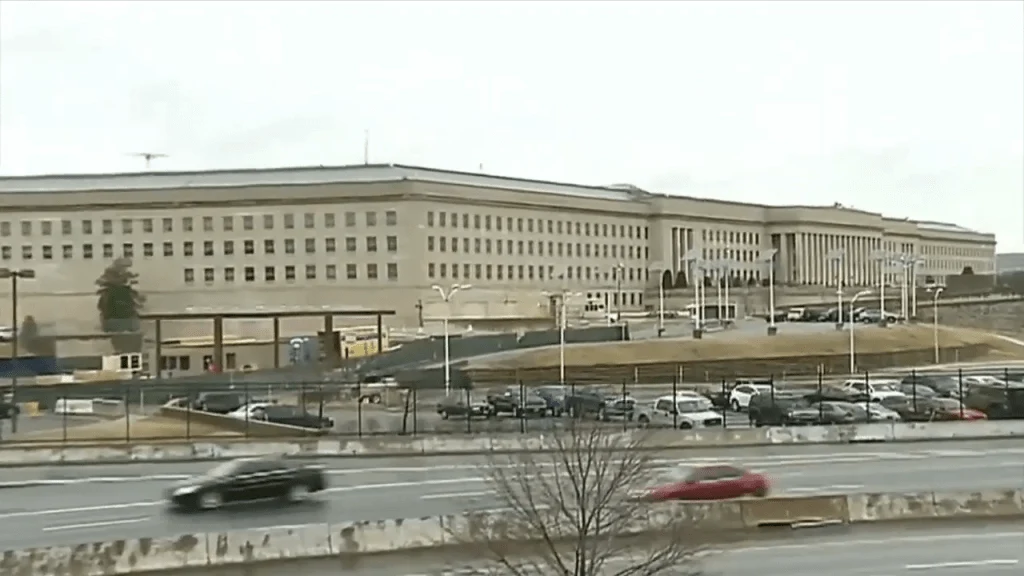
The Pentagon on Friday fired three senior staff members of the military newspaper Stars and Stripes, including Editor-in-Chief Erik Slavin, Publisher Max Lederer, and Middle East correspondent Lara Cortes, citing insubordination . Slavin said his dismissal followed a CBS interview where he stated that censorship of news for service members would be a "red line" . Korte was fired for stating she works for Stars and Stripes, not the Pentagon . The firings follow the paper's August 11 reporting on dire conditions aboard the USS Abraham Lincoln, including food shortages and mental health crises among the 5,000 crew . The Pentagon has been tightening control since March, issuing a memo requiring content to align with "good order and discipline" and barring wire service reprints . The paper's ombudsman was fired in April, and advisory board members sued in June over "unlawful censorship" . Slavin stated he stands by the principle that Stars and Stripes must remain editorially independent
More context
Timeline
- On 1861, Union soldiers first published Stars and Stripes during the Civil War.
- On 1991, Congress created an ombudsman role to safeguard editorial independence.
- On 1994, a framework established Stars and Stripes' operational independence from DOD.
- On 28 February 2026, US-Israeli war with Iran began, deploying the USS Lincoln.
- On 15 January 2026, Pentagon announced plans to refocus Stripes away from "woke distractions".
- On 9 March 2026, Pentagon memo barred wire services and mandated "good order and discipline".
- On April 2026, Pentagon fired ombudsman Jacqueline Smith after she criticized restrictions.
- On 3 June 2026, advisory board members sued Pentagon over unlawful censorship allegations.
- On 11 August 2026, Stars and Stripes reported dire conditions aboard USS Abraham Lincoln.
- On 21 August 2026, Pentagon fired editor, publisher and reporter for insubordination.
- Future scenario: Court rulings on the lawsuit will determine Stripes' editorial independence future.
Why it matters
Immediate impact: Military families lose trusted independent source on troop welfare conditions. Long-term impact: First Amendment protections for military journalism face unprecedented administrative erosion. Affected groups: Service members, military families, journalists, Pentagon press corps, and veterans. Reader priority: Cross-reference Pentagon statements with independent military reporter accounts and court filings
Coverage notes
Left: Pentagon punished independent journalism and silenced critical troop welfare reporting. Center: Pentagon fired editors after they opposed new military control measures. Right: Pentagon enforced discipline at a newspaper that drifted from its core military mission.
Primary report
Pentagon fired three editors on August 21 for insubordination.
Sources
JQJO Editorial Desk · Human reviewed · AI assisted. Report a correction.