Invisible Atmospheric Moisture Supercharges U.S. Summer Floods
PUBLISHED Aug 23, 2026, 11:46 AM ET
Read, Watch or Listen
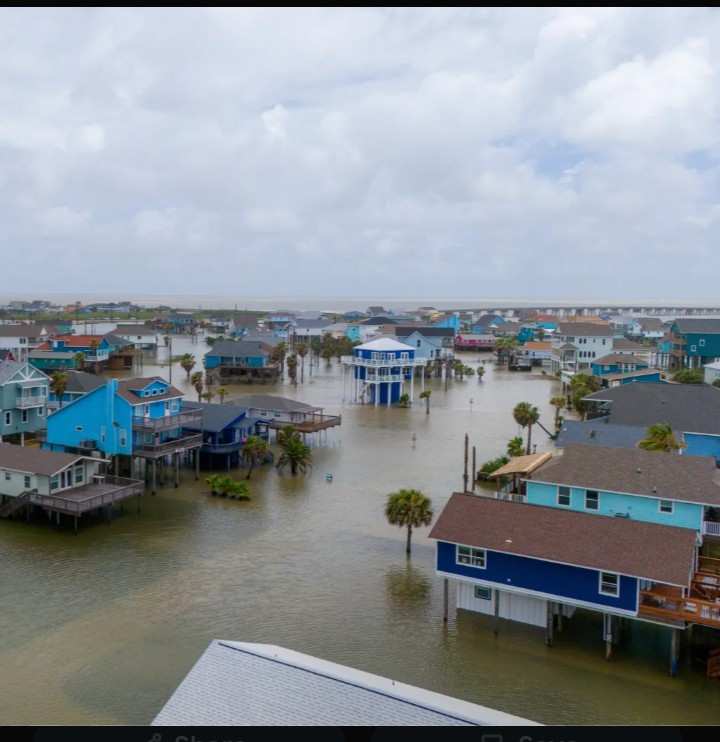
An August 23 Washington Post analysis found atmospheric moisture running 5% to 15% above average across the Pacific and much of the United States this summer. The analysis linked extra moisture transported into the contiguous United States since June with record-breaking rainfall in parts of 44 of 48 states, covering about 90,000 square miles. NOAA separately reported that El Niño is strengthening, with more than a 90% chance of a very strong event during fall and winter 2026-27. NOAA also recorded eastern Pacific sea-surface temperature anomalies above 2 degrees Celsius in August. The moisture analysis used ECMWF atmospheric data and PRISM rainfall data. Scientists caution that abundant moisture raises the potential for extreme rainfall but does not guarantee flooding without weather systems capable of releasing it. The outlook for additional storms remains uncertain by location and timing. Seasonal forecasts indicate elevated precipitation risks in parts of southern United States.
By James Porter | JQJO News
Timeline of Events
- June 11, 2026 — NOAA expected El Niño to strengthen.
- July 9, 2026 — NOAA raised very-strong El Niño odds.
- August 6, 2026 — NOAA GFDL models projected further intensification.
- August 13, 2026 — NOAA reported greater-than-90% El Niño odds.
- August 19, 2026 — IRI documented further El Niño strengthening.
- August 23, 2026 — Washington Post published its moisture-flood analysis.
- August 23, 2026 — Moisture findings linked rainfall extremes nationwide.
- August 23, 2026 — NOAA confirmed strengthening El Niño conditions.
- Coming weeks — Saturated regions may face additional extreme rainfall.
- Fall 2026 — Stronger El Niño could increase southern precipitation probabilities.
- Winter 2026-27 — Individual storm locations will remain difficult to predict.
News Intelligence
- Immediate US impact: Extra atmospheric moisture increases U.S. potential for rainfall and flooding.
- Possible long-term US impact: Warming may increase atmospheric moisture, raising future extreme-rainfall risks nationally.
- Reader priority: Prioritize NOAA warnings, forecasts, measured rainfall, and official emergency updates.
- Most Affected: Flood-prone communities, emergency agencies, infrastructure operators, and insurers face exposure.
- Articles Published:
- 13
- Right Leaning:
- 0
- Left Leaning:
- 2
- Neutral:
- 11
- Distribution:
- Left 15%, Center 85%, Right 0%
Left: Left coverage emphasizes climate warming, moisture amplification, and infrastructure vulnerability. Center: Center coverage emphasizes measurements, forecasts, uncertainty, and attribution limits clearly. Right: Evidence was insufficient to establish a distinct right-leaning framing.
On August 23, 2026, Washington Post published its moisture-flood analysis. https://www.washingtonpost.com/weather/2026/08/23/see-invisible-force-driving-destructive-floods-across-us/
Coverage of Story:
From Left
See the invisible force driving destructive floods across the United States
The Washington Post NbcsandiegoFrom Center
Invisible Atmospheric Moisture Supercharges U.S. Summer Floods
The Washington Post Reuters Weather Theweathernetwork Kpbs Houstonchronicle Expressnews Wvmetronews Timesunion Lajollaledger ExpressnewsFrom Right
No right-leaning sources found for this story.





Comments