Bird Flu Detected in New York City Wastewater Amid Rising Concerns
Tap title to read story
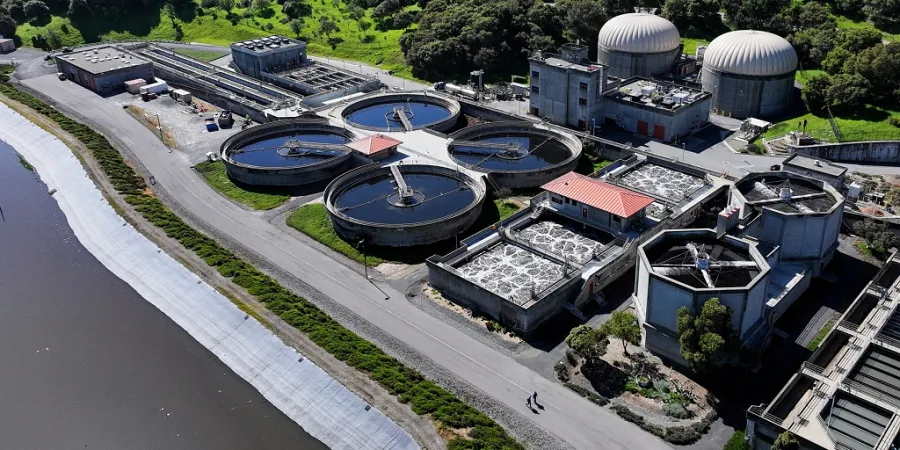
The New York City Department of Health and Mental Hygiene confirmed on August 23, 2026, that H5N1 avian influenza viral fragments were detected in wastewater samples from four treatment facilities. Flagged by the National Wastewater Surveillance System, the samples were collected between August 18 and August 21 across facilities serving Brooklyn, Queens, and Manhattan. No human cases of H5N1 have been confirmed within the city limits, and federal officials maintain that the general public health risk remains low. The Centers for Disease Control and Prevention has activated emergency response protocols to provide technical assistance. Local health officials have mobilized rapid response teams to inspect parks, live poultry markets, and commercial facilities. Meanwhile, state environmental conservation officials noted rising wild bird mortality in the Hudson Valley, prompting multi-agency coordination with the USDA and FDA to safeguard the commercial food supply and monitor regional viral circulation.
More context
Timeline
- On March 1, 2024, avian influenza surveillance tracked early nationwide agricultural animal infections.
- On April 11, 2023, high pathogenicity avian influenza cases expanded across domestic mammals.
- On July 10, 2024, wastewater surveillance frameworks expanded tracking capabilities for emerging pathogens.
- On August 14, 2026, national wastewater data updates flagged early viral marker fluctuations nationwide.
- On August 18, 2026, wastewater collection sites in New York City gathered index samples.
- On August 21, 2026, final scheduled sample collection windows closed across municipal treatment facilities.
- On August 23, 2026, health authorities officially confirmed H5N1 fragments inside municipal wastewater facilities.
- On August 24, 2026, rapid response field teams began active animal testing protocols citywide.
- In coming months, expanded genetic sequencing will isolate precise pathogen lineages from samples.
- In coming years, automated wastewater early-warning networks will prevent major metropolitan biological outbreaks.
Why it matters
Federal health agencies mobilized emergency response protocols supporting municipal containment. Long-term municipal wastewater pathogen tracking infrastructure will experience increased funding. New York City urban residents, local poultry workers, and state regulators. Local public health announcements alongside official municipal environmental data releases
Coverage notes
Left: Emphasize systemic public health readiness and environmental surveillance protection. Center: Focus strictly on confirmed official agency data and expert risk evaluations. Right: Highlight potential economic disruption, government overreach, and agricultural supply vulnerabilities.
Primary report
NYC Department of Health confirmed H5N1 wastewater fragments
Sources
JQJO Editorial Desk · Human reviewed · AI assisted. Report a correction.