Microplastics Found in Watershed Insects
PUBLISHED Aug 22, 2026, 6:41 AM ET
Read, Watch or Listen
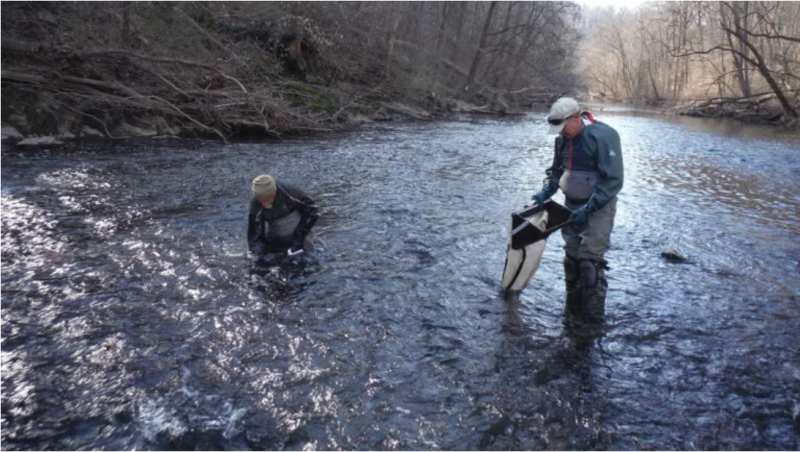
A recent scientific study by the Stroud Water Research Center has revealed that microplastics are widely prevalent inside aquatic insects—such as mayflies, stoneflies, and caddisflies—across multiple streams within the Schuylkill River watershed. Researchers detected microplastic particles in approximately a third of the collected insect samples. Surprisingly, the contamination levels were just as prevalent in forested, sparsely populated areas as they were in urban zones, indicating that plastic particles may travel via atmospheric patterns or drop from clothing. These findings highlight how human activities and environmental releases ultimately end up circulating through vital freshwater food webs.
By Shahbaz A. | JQJO News
Timeline of Events
- On January 1 1998 Researchers begin collecting and archiving aquatic insect samples across Pennsylvania watersheds.
- On December 31 2010 Analysis shows an upward trajectory of microplastics detected among watershed insects during the 2000s.
- On December 31 2019 Concluding year for the multi-decade historical insect sampling window analyzed by the Stroud Water Research Center.
- On August 22 2026 Stroud Water Research Center publishes comprehensive findings on microplastics in watershed insects.
- On January 1 2027 Anticipated follow-up studies tracking atmospheric and runoff contributions of microplastics in river basins.
News Intelligence
- Immediate US impact: Raises awareness regarding water quality and plastic contamination in drinking water sources relied upon by millions.
- Possible long-term US impact: Informs future environmental policies, watershed management, and plastic waste reduction frameworks.
- Most affected groups: Environmental scientists, water authority regulators, conservationists, and public health officials.
- Reader priority: Monitor local water quality reports and watershed conservation updates.
Coverage of Story:
From Left
Everything we release into the environment ends up in our water: the microplastic crisis
The Guardian Inside Climate News MashableFrom Center
Researchers find microplastics in insects from Schuylkill River watershed
WHYY Cardiff University News Reuters Associated Press The Verge National Geographic Scientific American BBC News NPR PBS NewsHour Bloomberg CNN USA Today Time The Wall Street Journal Environmental Science & Technology Nature Science E&E News The Hill Phys.org Smithsonian Magazine Wired Forbes Axios The Verge Audubon MagazineFrom Right
No right-leaning sources found for this story.





Comments