U.S. Government Mandates Overhaul for 1,000 Annual Rocket Launches
PUBLISHED Aug 21, 2026, 7:38 PM ET
Read, Watch or Listen
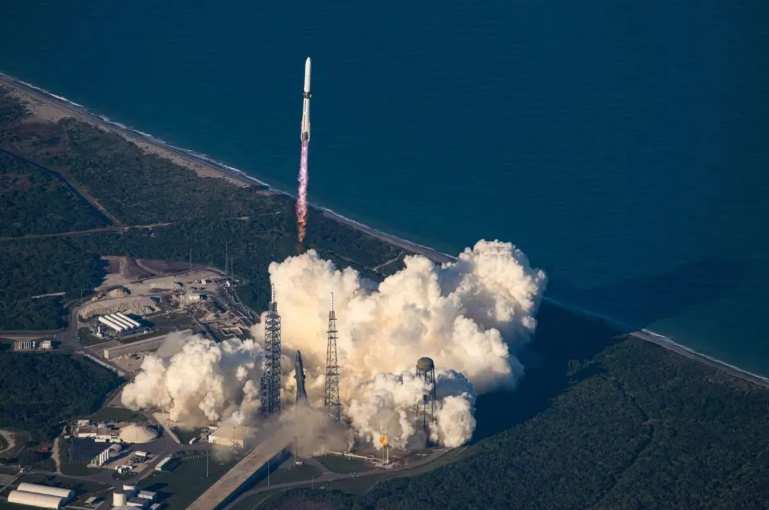
The United States government has officially released a comprehensive National Space Transportation Policy aimed at achieving more than one thousand annual rocket launches and reentries on American soil by the year 2030. President Donald Trump signed the directive, which replaces previous guidance from 2013 and establishes a modernized regulatory framework designed to support surging commercial space activities driven by private aerospace companies. The memorandum directs federal agencies, including NASA and the Department of Transportation, to streamline environmental reviews, expand commercial access to launch facilities, and designate priority airspace for critical flight corridors. Furthermore, the strategy mandates enhanced coordination with private sector partners to accelerate orbital transportation and bolster national security positioning. Officials emphasize that modernizing domestic space infrastructure remains essential for maintaining global technological leadership against rising international competitors while actively fostering robust economic growth across American manufacturing sectors throughout the entire nation moving forward into next decade moving ahead.
By Sarah Whitman | JQJO News
Timeline of Events
- On June 20, 2013, Barack Obama officially released national space transportation policy strategic guidelines
- On August 13, 2025, President Trump signed new commercial space industry economic competition order.
- On December 18, 2025, the administration introduced bold America First space exploration policy vision.
- On August 20, 2026, President Trump signed new space transportation policy strategic memorandum today.
- On August 21, 2026, federal agencies began reviewing commercial launch facility infrastructure expansion plans.
- Commercial space operators will achieve three daily launches by 2030.
- Regulatory agencies will streamline environmental reviews for new spaceports nationwide.
- Aerospace manufacturers will increase rocket production to meet rising demand.
- NASA and Department of Defense will expand commercial lunar logistics.
- Private enterprises will establish sustainable human habitations on Mars surface.
News Intelligence
- Immediate US impact: Federal agencies initiated planning to expand commercial launch infrastructure nationwide.
- Possible long-term US impact: United States secures permanent commercial dominance in global space transportation.
- Most affected groups: Commercial aerospace manufacturers, defense contractors, and federal space regulatory agencies.
- Reader priority: Track federal infrastructure approvals and private commercial launch rate developments.
- Articles Published:
- 31
- Right Leaning:
- 1
- Left Leaning:
- 4
- Neutral:
- 26
- Distribution:
- Left 13%, Center 84%, Right 3%
Left: Emphasizes potential environmental impacts and regulatory hurdles for commercial expansion. Center: Focuses on official policy targets, agency deadlines, and economic growth. Right: Highlights national security superiority, economic deregulation, and free market triumphs.
On August 20, 2026, the White House published transportation policy. https://www.whitehouse.gov/fact-sheets/2026/08/fact-sheet-president-donald-j-trump-launches-the-golden-age-of-space-transportation/
Coverage of Story:
From Left
White House space policy directs agencies to send humans to Mars
The Washington Post CNN NBC News The New York TimesFrom Center
U.S. Government Mandates Overhaul for 1,000 Annual Rocket Launches
Space.com Whitehouse Space Reuters AP News Bloomberg Cnbc Theverge Techcrunch Wired Arstechnica Technologyreview Theinformation The Wall Street Journal Ft Politico The Hill Axios Spacenews Aviationweek Spacepolicyonline Defensenews ABC News Forbes Fortune QzFrom Right
Trump to transform spaceflight from spectacle to status quo targeting 3 launches per day
Fox News






Comments