Trump Declares 'Economic D-Day' Against Iran as War Nears Six Months
PUBLISHED Aug 21, 2026, 11:49 AM ET
Read, Watch or Listen
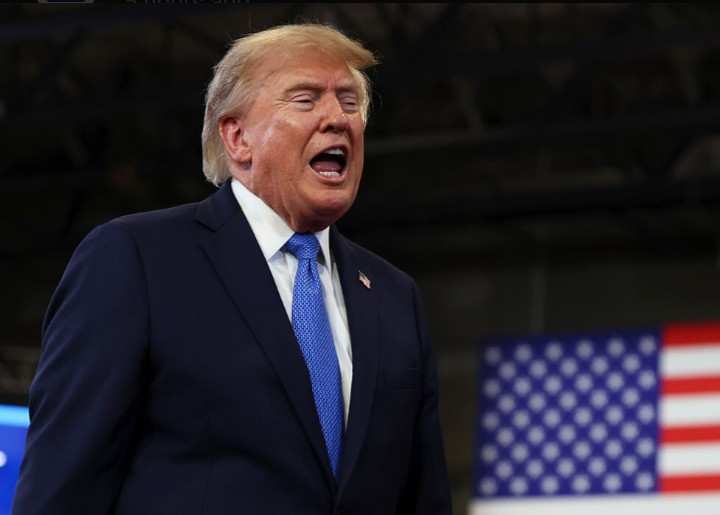
President Donald Trump has announced an expanded economic campaign against Iran, calling it an economic D-Day and threatening severe consequences for countries and entities providing Tehran financial or commercial lifelines. The Aug. 19 announcement followed stalled U.S.-Iran negotiations over the Strait of Hormuz as the war approaches six months. Trump said the campaign would target oil smuggling, financial transfers, exchange houses, ship registries and front companies, while seeking to force Iran to end its nuclear program and restore unrestricted shipping through Hormuz. Treasury Secretary Scott Bessent said Washington was preparing unprecedented economic isolation and warned allies and rivals, including China, to cooperate. Iran rejected the threat, calling sanctions ineffective and accusing Washington of economic terrorism. The United Arab Emirates has separately suspended financial and economic transactions with Iran. Bessent is scheduled to detail the next measures Monday. Their effectiveness, economic cost and impact on U.S. alliances remain uncertain.
By James Porter | JQJO News
Timeline of Events
- On February 28, 2026, U.S.-Israeli strikes launched the Iran war.
- On May 5, 2026, Operation Epic Fury ended; fighting continued.
- On June 22, 2026, Washington issued 60-day Iran sanctions waiver.
- On August 17, 2026, diplomatic window expired without agreement.
- On August 19, 2026, Trump announced economic warfare against Iran.
- On August 20, 2026, Bessent warned allies about economic consequences.
- On August 20, 2026, China urged diplomacy instead of pressure.
- On August 20, 2026, Iran rejected Trump's escalation as ineffective.
- On August 21, 2026, oil remained elevated amid Hormuz uncertainty.
- Future — Over coming days, Treasury will specify measures and potential sanctions.
- Future — Over coming weeks, enforcement choices could test U.S.-China economic relations.
- Future — Over coming months, sustained pressure may reshape Iranian trade diplomacy.
- Future — Over coming years, sanctions outcomes could influence U.S. coercive strategies.
News Intelligence
- Immediate US impact: Higher oil prices could raise U.S. inflation and transportation costs.
- Possible long-term US impact: Prolonged conflict could reshape alliances, energy markets, and defense spending.
- Reader priority: Readers should prioritize primary statements, official sanctions, and reported updates.
- Most Affected: Consumers, airlines, manufacturers, energy firms, exporters, and policymakers face disruption.
- Articles Published:
- 30
- Right Leaning:
- 4
- Left Leaning:
- 2
- Neutral:
- 24
- Distribution:
- Left 7%, Center 80%, Right 13%
Left: Coverage emphasizes sanctions' limits, civilian costs, diplomacy, and escalation risks. Center: Coverage emphasizes Trump's threat, Bessent's plans, Iran's response, and uncertainty. Right: Coverage emphasizes pressure effectiveness, Iranian weakness, deterrence, and allied cooperation.
August 19, 2026: Trump posted unprecedented economic warfare threat online. https://www.freemalaysiatoday.com/category/highlight/2026/08/21/us-pushes-allies-china-to-back-trump-s-economic-war-on-iran�
Coverage of Story:
From Left
Top Iran official says US focus on economic warfare shows it has failed militarily
NPR Illinois Al JazeeraFrom Center
Trump Declares 'Economic D-Day' Against Iran as War Nears Six Months
Associated Press (AP) Associated Press Reuters CBS News The Wall Street Journal Financial Times The Times Newser Investor's Business Daily EFE News On AIR Free Malaysia Today 1News TIME CNBC Africa Times of Israel Boston Globe Asia Financial Türkiye Today Open Magazine Gulf News The Straits Times Korea Times ReutersFrom Right
Trump demands allies assist with new ‘economic D-Day’ campaign against Iran
The Washington Examiner The Washington Examiner Breitbart JNS


Comments