U.S. Debt Hits Record $40 Trillion as Fed Signals Possible Hike
PUBLISHED Aug 20, 2026, 6:39 AM ET
Read, Watch or Listen
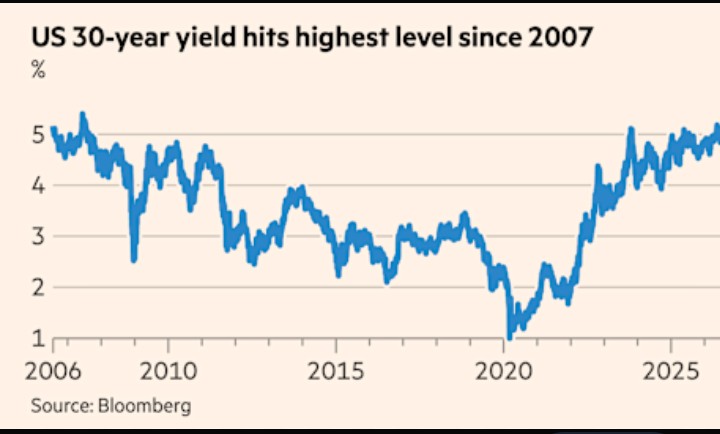
U.S. gross federal debt surpassed $40 trillion on Aug. 19, Treasury data showed, marking a record as borrowing costs and inflation concerns pressure financial markets. The debt totaled $40.047 trillion on Tuesday, including $32.266 trillion held by the public and $7.782 trillion in intragovernmental holdings, Reuters reported from Treasury data. Separately, minutes from the Federal Reserve’s July 28-29 meeting showed many policymakers believed further tightening could be necessary if inflation failed to decline toward the Fed’s 2% target. The Fed held its policy rate at 3.50%-3.75%, with three officials favoring a quarter-point increase. Treasury Secretary Scott Bessent also announced larger buybacks of longer-term government debt after the 30-year Treasury yield reached a 19-year high. The buyback maximum will rise to at least $4 billion per operation beginning Sept. 9. The measures address market liquidity, but do not resolve the underlying fiscal deficit or determine whether the Fed will raise rates.
By Daniel Hayes | JQJO News
Timeline of Events
- On October 2025, debt reached $38 trillion, preceding $39 trillion.
- On March 2026, debt reached $39 trillion, months after $38.
- On August 7, 2026, JEC reported debt near $39.83 trillion.
- On July 28-29, 2026, Fed officials held rates at 3.50%-3.75%.
- On August 19, 2026, Treasury reported debt surpassed $40 trillion.
- On August 19, 2026, three Fed officials favored higher rates.
- On August 19, 2026, Treasury doubled selected long-bond buyback sizes.
- On August 19, 2026, thirty-year Treasury yields fell after intervention.
- In coming weeks, investors will watch Treasury yields, inflation data.
- In September 2026, Treasury buybacks are scheduled to begin September.
- In October 2026, markets may reassess rate-hike expectations after inflation.
- Over coming years, fiscal deficits could keep federal borrowing elevated.
News Intelligence
- Immediate US impact: Debt and rates could raise borrowing costs for households, businesses.
- Possible long-term US impact: Persistent deficits and higher yields could constrain future federal spending.
- Most affected groups: Households, businesses, investors, Treasury officials, and Fed policymakers face exposure.
- Reader priority: Readers should prioritize Treasury data, Fed documents, independently reported evidence.
- Articles Published:
- 12
- Right Leaning:
- 1
- Left Leaning:
- 0
- Neutral:
- 11
- Distribution:
- Left 0%, Center 92%, Right 8%
Left: Left coverage emphasizes fiscal strain, borrowing costs, and household risks. Center: Center coverage emphasizes debt totals, Fed deliberations, yields Treasury actions. Right: Right framing evidence was insufficient among independently located direct reports.
On August 19, 2026, Treasury data triggered the milestone report. https://fiscaldata.treasury.gov/datasets/debt-to-the-penny/
Coverage of Story:
From Left
No left-leaning sources found for this story.
From Center
U.S. Debt Hits Record $40 Trillion as Fed Signals Possible Hike
Investing.com Investing Yahoo Reuters Bloomberg The Wall Street Journal Cnbc Ft Ft AP News Marketwatch





Comments