NASA Releases Images of 60-Foot Crater Left by SpaceX Rocket Crash on Moon
Read, Watch or Listen
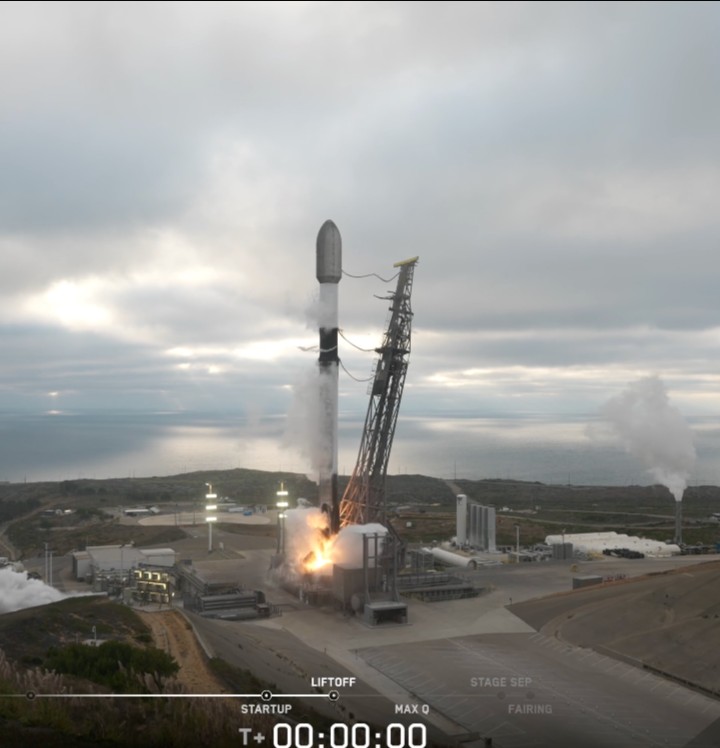
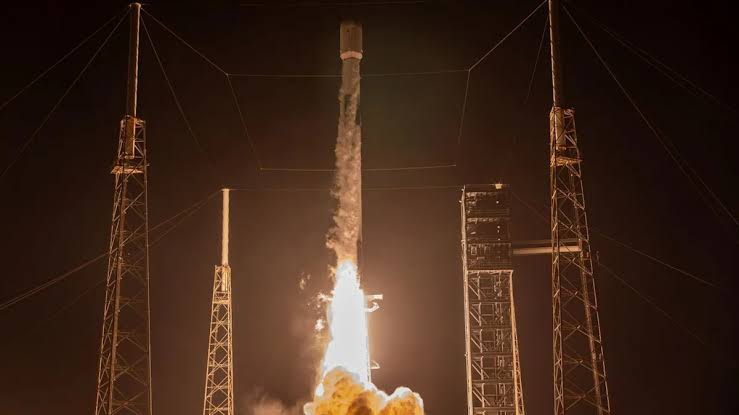
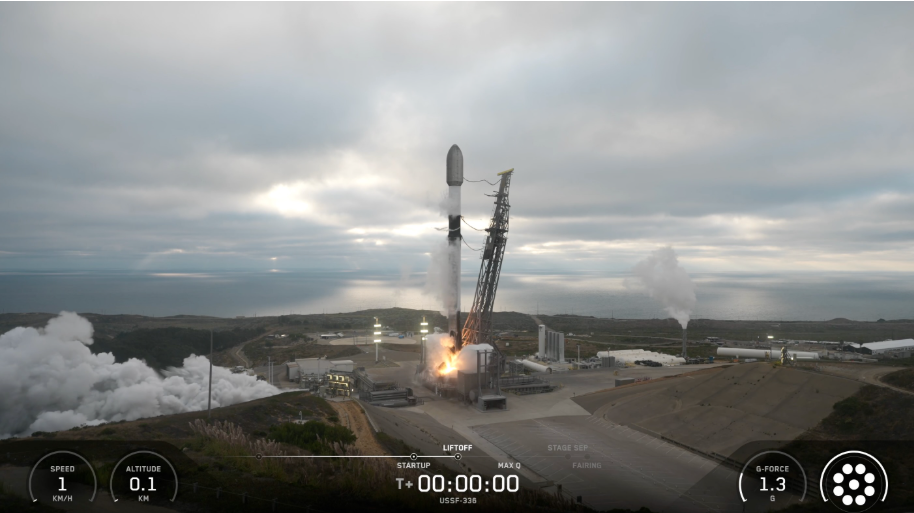
NASA has released new satellite imagery showing a fresh crater on the lunar surface created by an upper stage booster from a SpaceX Falcon rocket. The spacecraft component collided with the Moon on August fifth, traveling at approximately five thousand four hundred miles per hour. The impact generated force equivalent to nearly three tons of TNT near the Einstein Crater. The rocket stage originally launched in January twenty twenty five, carrying commercial lunar landers for private exploration missions. Following payload deployment, the spent upper stage drifted in deep space before returning toward the Earth facing side of the lunar terrain. NASA used the Lunar Reconnaissance Orbiter to capture high precision photographs of the impact zone. Engineers tilted the spacecraft while traveling at one mile per second to photograph the scar. Scientists are analyzing ejecta patterns and bright streaks to improve impact modeling and enhance future lunar mission safety protocols today.
Reviewed by editorial team.
Timeline of Events
- On January 15, 2025, SpaceX successfully launched the Falcon 9 rocket.
- On August 5, 2026, the rocket booster crashed into the Moon.
- On August 6, 2026, South Korea captured initial impact imagery.
- On August 11, 2026, NASA orbiter began photographing impact zone.
- On August 18, 2026, NASA released detailed lunar crater photographs.
- On August 19, 2026, global media outlets published impact findings.
- On August 19, 2026, scientists analyzed ejecta patterns and debris.
- By September 2026, space researchers will complete surface damage assessments.
- By 2028, international space agencies will establish stricter lunar tracking.
- By 2030, commercial space companies will adopt orbital cleanup protocols.
News Intelligence
- Immediate US impact: Heightens public awareness regarding increasing commercial space debris accumulation hazards.
- Possible long-term US impact: Drives stricter federal regulations regarding future lunar exploration rocket disposals.
- Most affected groups: Commercial space agencies, aerospace manufacturers, astronomers, and future lunar astronauts.
- Outlets Prioritization: Compare official NASA press statements with independent astronomical tracking reports.
- Articles Published:
- 31
- Right Leaning:
- 1
- Left Leaning:
- 2
- Neutral:
- 28
- Distribution:
- Left 6%, Center 90%, Right 3%
Left: Emphasize environmental and orbital debris risks surrounding commercial space ventures. Center: Focus strictly on official NASA data, imagery, and scientific measurements. Right: Highlight commercial aerospace innovation while noting routine space safety protocols.
NASA released images of Falcon 9 rocket lunar impact crater. https://science.nasa.gov/solar-system/moon/nasas-lro-images-falcon-9-crater-on-moon-learns-new-details/
Coverage of Story:
From Center
NASA Releases Images of 60-Foot Crater Left by SpaceX Rocket Crash on Moon
CBS News CBS News NASA Official Science News Livemint 1News FOX 10 Phoenix Malay Mail Mirage News LiveNOW from FOX NASA Live Lunar Reconnaissance Orbiter Camera Team Reuters Associated Press Bloomberg The Verge TechCrunch Ars Technica Wired CNBC Wall Street Journal Financial Times BBC News ABC News NBC News USA Today Space.com The Information The Financial Express



Comments