Michigan EEE Case Confirmed
PUBLISHED Aug 19, 2026, 6:59 PM ET
Read, Watch or Listen
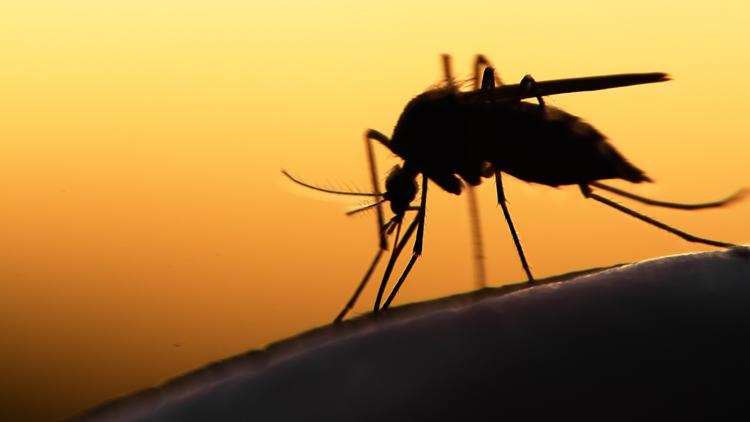
Michigan health officials on Wednesday confirmed a locally acquired case of eastern equine encephalitis in a Roscommon County resident, the state’s first human EEE case since 2021. The Michigan Department of Health and Human Services said no animal EEE activity had been detected in the state before the human case, and mosquito trapping and testing is underway in Roscommon County. Chief Medical Executive Dr. Natasha Bagdasarian urged residents to reduce mosquito exposure. EEE is rare but can cause severe neurological disease; CDC data say about 11 human cases are reported annually in the United States. About 30% of people who develop neuroinvasive EEE die, according to CDC material, making the “30% fatality” claim accurate only with that qualification. Michigan recorded 10 human cases and six deaths during its 2019 outbreak, followed by four cases and two deaths in 2020. No newer material development was located during the final freshness search.
By Sidra | JQJO News
Timeline of Events
- August 19, 2026 — Michigan confirmed locally acquired human EEE.
- August 2025 — Michigan reported EEE in Benzie County horse.
- August 2024 — Michigan reported EEE in Van Buren horse.
- August 2023 — Michigan detected EEE-positive mosquitoes in Bay County.
- July 2023 — Michigan reported no human or animal EEE cases.
- September 2021 — Michigan recorded its last human EEE case.
- 2020 — Michigan reported four human EEE cases, two deaths.
- 2019 — Michigan recorded ten human EEE cases, six deaths.
- 1980 — Michigan recorded its first known human EEE case.
- August 2026 — State officials expanded mosquito trapping and testing.
- Coming days — Testing could identify additional local EEE activity.
- Coming weeks — Officials may expand surveillance if mosquitoes test positive.
- Through autumn — Additional human cases remain possible during mosquito activity.
- By winter — Michigan will assess surveillance findings and seasonal totals.
- Future years — Recurring EEE activity could prompt prevention measures.
News Intelligence
- Immediate US impact: Michigan faces heightened mosquito surveillance and precautionary public-health messaging statewide.
- Possible long-term US impact: Recurring EEE activity could increase seasonal surveillance and prevention efforts.
- Most affected groups: Roscommon residents, outdoor workers, campers, older adults, children face exposure.
- Reader priority: Readers should prioritize state health updates over unsourced social-media claims.
Coverage of Story:
From Left
No left-leaning sources found for this story.
From Center
Michigan confirms human case of rare mosquito-borne disease
Reuters CBS Detroit ClickOnDetroit WILX News 10 WNEM TV5 WZZM 13 WWMT NBC 25 / WEYI Mid-Michigan Now WWJ Newsradio / Audacy SooLeader Our Midland The Herald Review Michigan's Thumb Rolling OutFrom Right
No right-leaning sources found for this story.




Comments