US Demands Countries Choose Sides in AI Race with China
PUBLISHED Aug 17, 2026, 8:52 AM ET
Read, Watch or Listen
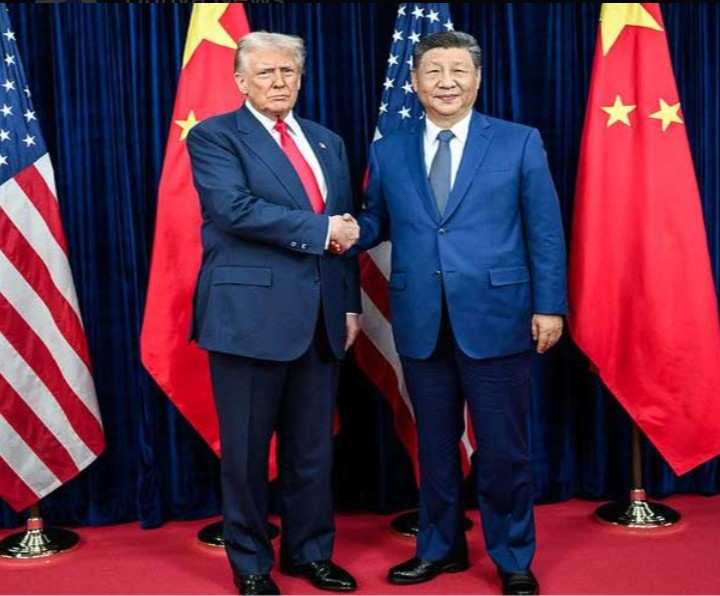
The United States is preparing to warn dozens of countries that joining China’s artificial-intelligence organization could jeopardize participation in the U.S.-led Pax Silica initiative, according to Reuters, which reviewed a draft State Department letter. The draft says Pax Silica participation represents a commitment and warns against conflicting initiatives, although it does not name China. Pax Silica focuses on secure supply chains for artificial intelligence, semiconductors, critical minerals, energy and related infrastructure. Thirty-five countries signed a Joint Statement on AI Opportunity at the June 2026 Pax Silica summit, while 29 countries signed the agreement establishing the China-backed World Artificial Intelligence Cooperation Organization in Shanghai on July 16. Kazakhstan belongs to both frameworks, making it a test case. The U.S. letters have not been confirmed as sent, and final wording could change. The development highlights pressure on countries seeking technology and investment from Washington and Beijing as competing AI ecosystems take shape.
By Sarah Whitman | JQJO News
Timeline of Events
- On December 12, 2025, Pax Silica launched amid AI competition.
- On June 25-26, 2026, Washington expanded Pax Silica membership framework.
- On June 26, 2026, thirty-five countries signed the AI statement.
- On July 16, 2026, twenty-nine countries established WAICO in Shanghai.
- On July 17, 2026, Xi promoted China’s alternative AI governance.
- On August 14, 2026, Reuters reported the draft Department letter.
- On August 17, 2026, U.S. pressure remained reported, not implemented.
- Over coming days, Washington may finalize and transmit the letters.
- Over coming weeks, partner governments may seek clarification before responding.
- Over coming months, competing AI blocs could harden supply-chain choices.
- Over coming years, countries may pursue diversified AI partnerships instead.
News Intelligence
- Immediate US impact: U.S. companies may face tighter partner alignment and supply-chain scrutiny.
- Possible long-term US impact: Long-term fragmentation could potentially raise technology costs and reduce interoperability.
- Reader priority: Readers should prioritize primary documents, Reuters reporting, and official statements.
- Most Affected: Allies, semiconductor firms, mineral suppliers, and exposed businesses face pressure.
- Articles Published:
- 11
- Right Leaning:
- 0
- Left Leaning:
- 0
- Neutral:
- 11
- Distribution:
- Left 0%, Center 100%, Right 0%
Left: Left framing emphasizes coercive alliance-building and risks of technological fragmentation. Center: Center framing emphasizes draft status, competing blocs, and diplomatic uncertainty. Right: Right framing emphasizes protecting U.S. technology from Chinese strategic dependence.
August 14, 2026: Reuters reviewed a draft State Department letter. https://www.reuters.com/world/china/us-tell-partners-they-must-pick-sides-ai-race-with-china-2026-08-14/
Coverage of Story:
From Left
No left-leaning sources found for this story.
From Center
US Demands Countries Choose Sides in AI Race with China
Global Times (via People's Daily Online) Reuters The Next Web Fortune Taipei Times Times of India GMA News Folha de S.Paulo Kursiv Media Thai PBS World The Daily StarFrom Right
No right-leaning sources found for this story.




Comments