Indiana Floods: State of Emergency, FEMA Aid Activated
PUBLISHED Aug 17, 2026, 7:31 AM ET
Read, Watch or Listen
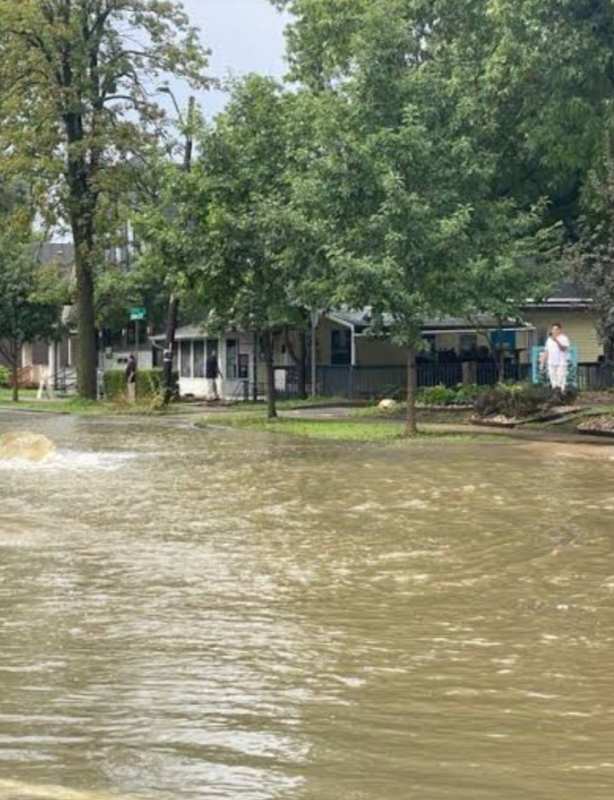
At least seven people have died after days of severe storms and record-setting flooding across Indiana, with floodwaters beginning to recede in Indianapolis as recovery efforts expand. The White River crested above 24 feet in Anderson and Noblesville, surpassing records set in 1913, while Indianapolis experienced its worst flooding in more than 30 years, officials said. Hundreds of homes were evacuated, and emergency crews rescued stranded residents as roads, bridges and neighborhoods were inundated. Nearly 130,000 utility customers remained without power Sunday, down from a peak near 300,000, according to state officials and PowerOutage.us. President Donald Trump approved Indiana Gov. Mike Braun’s request for federal disaster assistance on Saturday, according to FEMA. Heavy rain and additional flash flooding remained possible across central Indiana Sunday, the National Weather Service warned. Local authorities were beginning damage assessments, while shelters remained open and residents were urged to avoid fast-moving water and damaged infrastructure.
By Daniel Hayes | JQJO News
Timeline of Events
- On August 11, 2026, severe storms began striking Indiana repeatedly.
- On August 12, 2026, torrential rainfall intensified flooding across Indiana.
- On August 15, 2026, six deaths were confirmed by officials.
- On August 15, 2026, Trump approved Indiana's federal assistance request.
- On August 16, 2026, Indianapolis flooding peaked along White River.
- On August 16, 2026, seven deaths were reported statewide by officials.
- On August 16, 2026, nearly 130,000 customers remained without power.
- On August 17, 2026, floodwaters receded but hazards remained widespread.
- Over coming days, damage assessments and infrastructure inspections will expand.
- Over coming weeks, recovery costs and federal assistance needs emerge.
- Over coming months, damaged roads and bridges may require reconstruction.
- Over coming years, officials may strengthen flood preparedness and infrastructure.
News Intelligence
- Immediate US impact: Historic flooding causes deaths, evacuations, outages, infrastructure damage, and federal response.
- Possible long-term US impact: Disaster costs could accelerate flood planning, infrastructure upgrades, and resilience investments.
- Most affected groups: Indiana residents, Indianapolis neighborhoods, evacuees, utilities, first responders, and infrastructure agencies.
- Reader priority: Readers should prioritize official warnings, river forecasts, casualty updates, and verified recovery information.
- Articles Published:
- 15
- Right Leaning:
- 1
- Left Leaning:
- 0
- Neutral:
- 14
- Distribution:
- Left 0%, Center 93%, Right 7%
Left: Coverage emphasizes deaths, community disruption, recovery costs, and vulnerable residents. Center: Coverage emphasizes verified casualties, record flooding, official response, and evolving recovery. Right: Coverage emphasizes severe weather, rescues, property damage, and emergency response operations.
On August 16, 2026, FEMA announced assistance following Trump's approval. https://www.fema.gov/press-release/20260816/president-donald-j-trump-approves-emergency-declaration-indiana
Coverage of Story:
From Left
No left-leaning sources found for this story.
From Center
Indiana Floods: State of Emergency, FEMA Aid Activated
Daily Pioneer (AP) Fema AP News Abcnews Ipm The Guardian Abc57 Abc7chicago Tribune Bernama Dailypioneer Jang Org Dailypioneer




Comments