Oil Swings on Fresh Middle East Escalation and Hormuz Ship Attacks
PUBLISHED Aug 17, 2026, 1:40 AM ET
Read, Watch or Listen
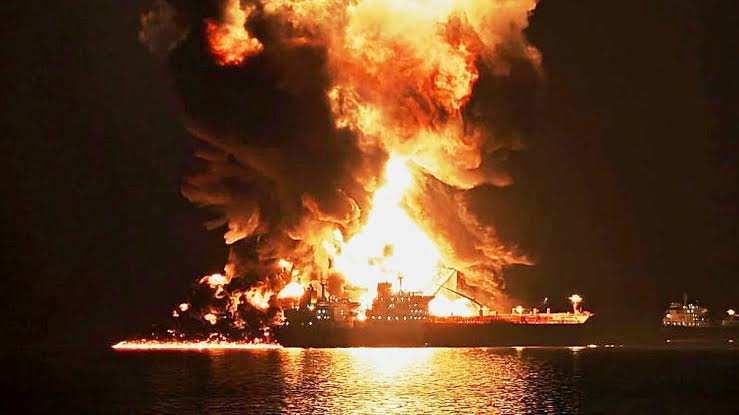
Crude oil prices edged higher on Monday morning following fresh military escalations in Lebanon and a series of vessel attacks in the vital Strait of Hormuz. Global benchmark Brent crude rose toward eighty-nine dollars per barrel, maintaining momentum from a six percent weekly surge. The market reaction follows stalled diplomatic negotiations between Washington and Tehran, raising anxieties over global fuel supply chains and potential impacts on United States retail gasoline prices. Commercial vessels, including tankers operated by Abu Dhabi National Oil Company, faced security incidents late last week, prompting heightened caution among international shipping operators. Analysts note that geopolitical uncertainty remains a primary headwind for commodities, even as regional producers attempt to sustain alternative export volumes. Traders continue to monitor diplomatic channels and maritime security updates closely as economic sanctions discussions evolve.
By Adyan K. | JQJO News
Timeline of Events
- On July 15, 2026, baseline crude markets experienced moderate downward pressure from inventory data.
- On August 3, 2026, initial security disruptions emerged near regional shipping lanes.
- On August 10, 2026, Brent crude futures rose sharply past eighty-four dollars.
- On August 13, 2026, environmental concerns emerged regarding regional maritime spills.
- On August 14, 2026, weekly gains for crude benchmarks approached six percent.
- On August 15, 2026, Abu Dhabi National Oil Company reported vessel attacks.
- On August 16, 2026, weekend fighting in Lebanon intensified geopolitical anxiety.
- On August 17, 2026, Brent crude traded near eighty-nine dollars per barrel.
- In coming months, shipping insurance costs may increase significantly.
- Long-term energy transition investments will likely accelerate globally.
News Intelligence
- Immediate US impact: Immediate US impact involves rising retail fuel prices for consumers.
- Possible long-term US impact: Long-term US impact includes persistent inflation risks and monetary policy adjustments.
- Most affected groups: Most affected groups include American motorists, logistics companies, and airline operators.
- Prioritise Guidance: Readers should prioritize updates from official maritime and financial market regulators.
Coverage of Story:
From Center
Oil advances with Lebanon tensions and Hormuz risks in focus
Bloomberg Reuters Financial Times CNBC Associated Press Yahoo Finance MarketWatch The Edge Singapore DTN Rigzone Oilprice.com Argus Media Platts The National Gulf NewsFrom Right
Tanker attacks in Strait of Hormuz drive crude futures upward
Wall Street Journal Fox Business





Comments