Trump Faces GOP Revolt to Exit Iran War
PUBLISHED Aug 15, 2026, 12:16 PM ET
Read, Watch or Listen
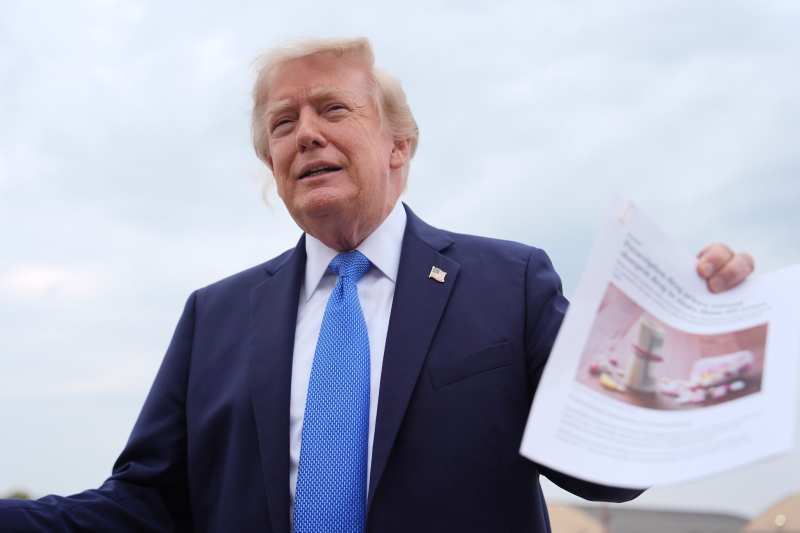
Republican lawmakers are showing growing concern about the political and economic costs of the U.S. war with Iran, but evidence does not support describing the party as revolting against President Donald Trump. The conflict, which began Feb. 28, is in its sixth month and remains unresolved after a June ceasefire collapsed in July. Republicans have continued backing Trump’s strategy while some lawmakers seek clearer objectives, more information and an eventual endgame. Louisiana Sen. John Kennedy said Republicans need better explanations of why the United States entered and remains in the conflict, while also saying he supports Trump’s approach. Gasoline prices have again exceeded $4 a gallon, increasing affordability concerns before November’s midterm elections. Reuters reported Aug. 14 that the national average reached $4.08. A Reuters/Ipsos poll found only 35% supported the war in August. The White House continues defending pressure on Iran, while Democrats are emphasizing costs, duration and accountability.
By Sidra | JQJO News
Timeline of Events
- On February 28, 2026, U.S.-Israeli forces began attacks against Iran.
- On March 10, gasoline prices threatened Republicans’ midterm congressional majorities.
- On June 3, House lawmakers rebuked Trump over Iran conflict.
- On June 16, Trump and Iran announced tentative ceasefire agreement.
- On July 7, Trump declared the interim peace arrangement over.
- On July 22, Republicans faced mounting electoral pressure over war.
- On July 23, House lawmakers again voted to halt hostilities.
- On August 6, Reuters/Ipsos found only 35% supported the war.
- On August 14, gasoline averaged $4.08 nationally amid continuing conflict.
- On August 15, Republican concern centered increasingly on affordability and elections.
- Over coming weeks, Republicans may demand clearer objectives and diplomacy.
- By November, sustained fuel costs could damage vulnerable Republican incumbents.
- Over coming months, negotiations could produce another ceasefire or fighting.
- Over coming years, war costs may influence congressional foreign-policy debates.
News Intelligence
- Immediate US impact: Fuel costs intensify voter frustration and Republican pressure.
- Possible long-term US impact: Prolonged war could reshape Republican foreign-policy strategy significantly.
- Reader priority: Readers should prioritize votes, polling methods, prices, and primary documents.
- Most Affected: Drivers, incumbents, military families, energy businesses, consumers nationwide.
Coverage of Story:
From Left
No left-leaning sources found for this story.
From Center
GOP senators worried about Trump's war with Iran as midterms near
USA Today Reuters AP News The New York Times The Washington Post The Wall Street Journal CNN NBC News CBS News ABC News The Hill Axios The Guardian Al Jazeera Newsweek Nationalreview Thedailybeast Time Businessinsider Theatlantic Theamericanconservative Washingtonexaminer Newrepublic Thefederalist SalonFrom Right
No right-leaning sources found for this story.






Comments