OpenAI Releases Mac Feature Logging User Activity for ChatGPT Memory
PUBLISHED Aug 13, 2026, 10:47 PM ET
Read, Watch or Listen
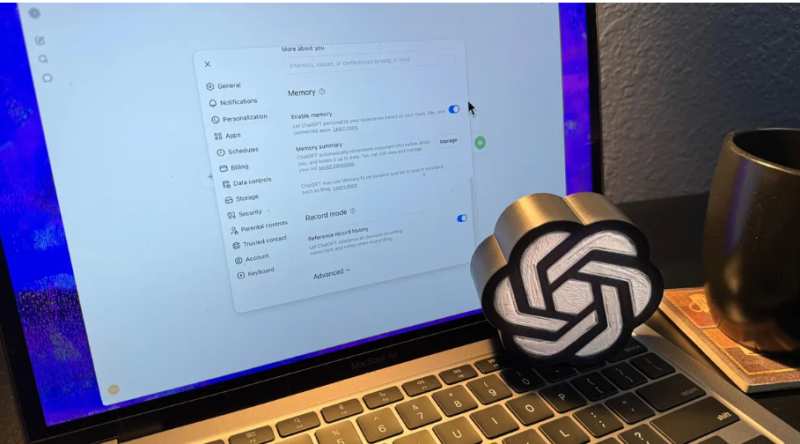
OpenAI has launched a new opt-in feature called Computer History for its desktop application on macOS, enabling ChatGPT and Codex to record user interactions across apps and websites. Released globally on August 13, 2026, the tool is available exclusively to Pro, Business, and Enterprise subscribers. Unlike previous screenshot-based prototypes, Computer History tracks interaction events such as clicks, typing, keyboard shortcuts, and application switches via macOS accessibility frameworks. OpenAI states the system converts this activity stream into plain-text summaries and local memory files to provide historical context for AI models. The feature is disabled by default and requires explicit user opt-in, with administrative approval mandated for enterprise workspaces. Initially excluded from the European Economic Area, Switzerland, and the United Kingdom, the tool temporarily stores unencrypted interaction files locally for up to forty-eight hours. Security experts note the capability introduces potential risks regarding indirect prompt injection during routine daily web browsing activities.
By Yusra M. | JQJO News
Timeline of Events
- On May 12, 2025 OpenAI introduced initial prototype screenshot features.
- On November 15, 2025 developers tested early workspace integration models.
- On Feb 10, 2026 researchers previewed automated workflow tracking tools.
- On June 20, 2026 engineers finalized macOS accessibility event frameworks.
- On August 13, 2026 OpenAI officially released the Computer feature.
- On August 14, 2026 privacy advocates highlighted unencrypted storage risks.
- By September 2026 enterprises will deploy mandatory administrative permission controls.
- By October 2026 regulators may investigate local data security protocols.
- By November 2026 competitors will likely release similar monitoring tools.
- By December 2026 developers will patch potential prompt injection vulnerabilities.
News Intelligence
- Immediate US impact: Mac enterprise users face new productivity tracking and privacy considerations.
- Possible long-term US impact: Software development automation transforms corporate workflows across major American industries.
- Affected Groups: Enterprise workers, software developers, security analysts, and technology investors nationwide.
- Reader Priorities: Prioritize official release documentation over speculative technical social media commentary.
Coverage of Story:
From Left
Peter Baker, Author at The New York Times
The New York Times The Washington Post The Guardian Politico Time






Comments