U.S. Vows Indefinite Iran Naval Blockade As Strait Of Hormuz Standoff Deepens
PUBLISHED Aug 13, 2026, 2:58 PM ET
Read, Watch or Listen
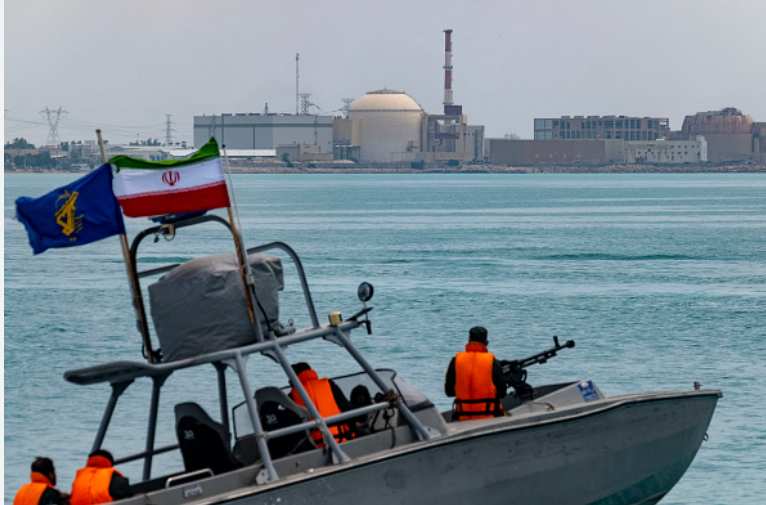
United States Defense Secretary Pete Hegseth announced on Thursday that the military can maintain its naval blockade on Iranian ports indefinitely. Speaking in Panama during a visit to U.S. forces, Hegseth stated that the Navy possesses sufficient assets to sustain the operation long term by rotating vessels in and out of the region. This declaration follows statements by President Donald Trump asserting total American control over the strategic Strait of Hormuz, describing the blockade as a wall of steel. Tehran’s central military command strongly rejected the assertions as fabrications, maintaining that the waterway remains under Iranian control. The ongoing maritime confrontation, which intensified after a conflict began on February 28, has redirected dozens of commercial vessels and kept global energy markets volatile. Meanwhile, regional friction persisted as Houthi forces claimed a drone strike targeting a refinery in southern Saudi Arabia, while diplomatic efforts to resolve the crisis remain deadlocked.
By Michael Grant | JQJO News
Timeline of Events
- On February 28, 2026, joint military strikes initiated armed conflict with Iran.
- On August 12, 2026, President Donald Trump claimed total control over the strait.
- On August 13, 2026, Pete Hegseth stated the blockade can continue indefinitely.
- On August 13, 2026, Iranian military command rejected Washington claims as lies.
- On August 13, 2026, Houthi forces claimed a drone strike in Saudi Arabia.
- Future maritime restrictions will likely prompt additional retaliatory proxy attacks regionally.
- Prolonged deployment strains naval equipment and impacts American sailor operational readiness.
- Persistent disruptions threaten to elevate gasoline prices ahead of midterm elections.
- Diplomatic channels may remain deadlocked without third-party mediation or major concessions.
- Energy markets will experience continued volatility amid prolonged Strait of Hormuz closures.
News Intelligence
- Strait of Hormuz blockade risks spiking domestic fuel prices.
- Extended deployment increases defense spending and regional conflict escalation risks.
- American consumers, energy investors, and military families face direct impacts.
- Monitor official Pentagon updates and verified international wire reporting closely.
- Articles Published:
- 27
- Right Leaning:
- 2
- Left Leaning:
- 4
- Neutral:
- 21
- Distribution:
- Left 15%, Center 78%, Right 7%
Emphasizes escalation risks, prolonged military deployment strains, and inflation. Reports statements objectively, focusing on strategic and economic market consequences. Highlights American military strength, presidential decisiveness, and national security dominance.
Pentagon chief Pete Hegseth announced indefinite blockade capabilities on August 13, 2026. https://www.timesofisrael.com/liveblog_entry/us-can-keep-naval-blockade-on-iranian-ports-indefinitely-hegseth-says/
Coverage of Story:
From Left
Hegseth says US can keep naval blockade on Iranian ports 'indefinitely'
Middle East Eye CNN The Guardian Al JazeeraFrom Center
U.S. Vows Indefinite Iran Naval Blockade As Strait Of Hormuz Standoff Deepens
Reuters / Times of Israel Reuters The Times of Israel The Hindu Livemint AP News Reuters Bloomberg Financial Times BBC News Wall Street Journal Politico Axios The Hill Washington Post CBS News NBC News Newsweek Los Angeles Times USA Todayv Foreign PolicyFrom Right
Hegseth affirms indefinite US naval blockade on Iran amid Strait of Hormuz standoff
Fox News New York Post





Comments