Saudi Oil Exports Go Dark Amid Red Sea Houthi Threats and Stalled US-Iran Talks
PUBLISHED Aug 12, 2026, 10:13 PM ET
Read, Watch or Listen
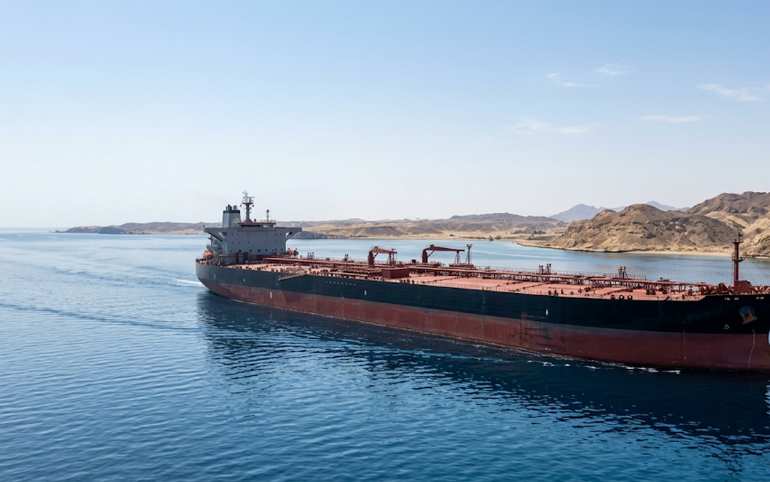
Saudi oil exports via the Red Sea are increasingly operating unmonitored as petroleum tankers disable their tracking signals to evade potential Houthi attacks. Shipping data reveals that recent crude loadings at the Saudi port of Yanbu are conducted entirely through dark voyages following a maritime embargo declared on July twenty. The embargo targets Saudi Arabia, the United States, and allied nations amid stalled diplomatic talks between Washington and Tehran. Vortexa and Kpler report conflicting export volumes, reflecting widespread tracking disruptions and uncertainty across global energy markets. To bypass high risk transit zones, state exporters have rerouted shipments northward through Egypt using the Suez Canal and SUMED pipeline, driving record crude liftings at Sidi Kerir. Meanwhile, a previous interim ceasefire agreement collapsed after President Donald Trump declared it void, escalating regional tensions and leaving energy supply chains vulnerable to severe disruptions, higher shipping costs, and prolonged geopolitical instability worldwide starting today.
By Yusra M. | JQJO News
Timeline of Events
- On June 1, 2026, diplomats reached an interim ceasefire accord.
- On July 7, 2026, President Donald Trump declared it void.
- On July 20, 2026, Houthi rebels announced a maritime embargo.
- On August 3, 2026, Yanbu weekly oil loadings dropped sharply.
- On August 13, 2026, tankers disabled tracking transponders near Yanbu.
- On August 13, 2026, Sidi Kerir oil liftings hit records.
- On August 13, 2026, Washington Tehran diplomatic talks remained stalled.
- Analysts predict global petroleum shipping costs will surge very soon.
- Markets expect continued volatility across international crude supply chains shortly.
- Experts foresee possible escalation involving regional maritime transit security threats.
- Insurers anticipate higher marine war risk premiums for commercial tankers.
News Intelligence
- Higher petroleum prices could increase consumer transportation and living costs.
- Persistent energy supply chain shocks threaten broader economic inflation stability.
- American consumers, logistics businesses, energy investors, and transportation workers suffer.
- Prioritize official shipping reports, energy market data, and verified updates.
Coverage of Story:
From Left
Geopolitical Flashpoint in Red Sea Threatens Global Oil Supply Chains
The Washington Post New York Times Al Jazeera GuardianFrom Center
Houthi threats force Saudi oil tankers to disable tracking in Red Sea
Reuters The Economic Times Lloyd's List Windward AI Lloyd's List Intelligence UNN Ukraine National News WION Bloomberg CNBC Wall Street Journal Financial Times Associated Press Yahoo Finance MarketWatch CNN Business Politico Reuters UK Bloomberg Quint BBC News France 24 DW NewsFrom Right
Inflation Risks Rise as Red Sea Oil Routes Face Houthi Blockade
Fox Business Daily Mail Washington Times






Comments