Deadly Midwest Derecho & Flash Floods
PUBLISHED Aug 12, 2026, 5:31 PM ET
Read, Watch or Listen
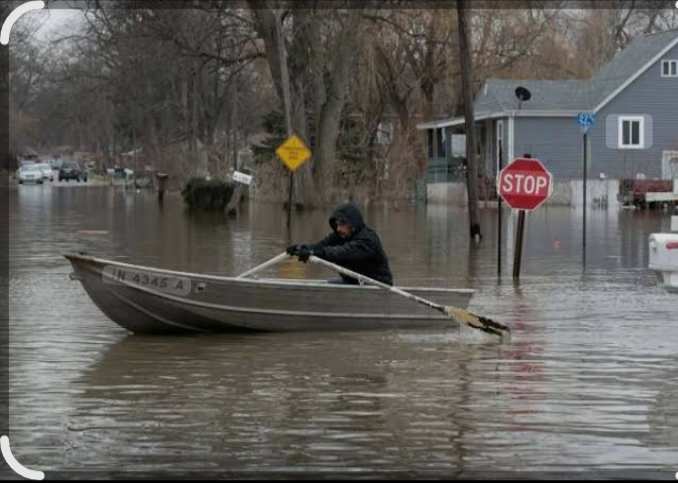
Severe storms and a destructive derecho swept across the American Midwest, bringing tornadoes, straight-line winds up to 99 mph, and severe flash flooding that left hundreds of thousands without electricity. The system triggered multiple weather emergencies across Illinois, Indiana, Ohio, Kentucky, and West Virginia. In Jennings County, Indiana, a 4-year-old boy died when a tree fell onto a home. In Ohio, Governor Mike DeWine confirmed a fatality in Roseville after high water blocked emergency responders from reaching a person during a medical emergency. Sixteen inmates at an Ohio prison were hospitalized following a lightning strike. High-water rescues were deployed in several states, including Ohio, where families were evacuated by boat from inundated homes. Utility crews faced extensive damage, including hundreds of downed utility poles and snapped power lines. Columbus Mayor Andrew Ginther declared a state of emergency to manage ongoing municipal disruptions and prolonged power outages extending across the region.
By Lauren Mitchell | JQJO News
Timeline of Events
- On May 15, 2020, a historic destructive derecho caused widespread Midwest infrastructural devastation.
- On June 29, 2012, a severe mid-Atlantic derecho triggered massive power outages.
- On August 10, 2020, a major Midwestern derecho produced catastrophic agricultural losses.
- On August 11, 2026, severe storms spawned tornadoes and flash floods across the Midwest.
- On August 11, 2026, the Storm Prediction Center preliminarily confirmed a powerful regional derecho.
- On August 11, 2026, a 4-year-old child died in Indiana from a fallen tree.
- On August 11, 2026, lightning struck an Ohio correctional facility, injuring sixteen inmates.
- On August 12, 2026, Ohio Governor Mike DeWine declared an emergency in affected counties.
- On August 12, 2026, Columbus Mayor Andrew Ginther declared a local municipal emergency.
- On August 13, 2026, recovery efforts continued as hundreds of thousands remained without electricity.
- Future severe weather clusters will continue threatening the Ohio Valley region.
- Climate volatility will likely increase infrastructure strain across central states.
- Grid updates will require significant investments to withstand future derechos.
- Emergency services will expand swift-water rescue capabilities for urban flooding.
- Municipalities will revise disaster response protocols following widespread communication failures.
News Intelligence
- Severe storms leave hundreds of thousands without midwestern power.
- Extreme weather events will necessitate upgraded regional electrical infrastructure.
- Midwestern residents, emergency responders, utility workers, and local municipal agencies.
- Monitor updates from local emergency management and the National Weather Service.
- Articles Published:
- 20
- Right Leaning:
- 0
- Left Leaning:
- 0
- Neutral:
- 20
- Distribution:
- Left 0%, Center 100%, Right 0%
Left: Highlights climate instability and infrastructure vulnerability during extreme weather. Center: Focuses on factual storm paths, casualties, and emergency responses. Right: Emphasizes local recovery efforts and community resilience amid property destruction.
The Washington Post https://www.washingtonpost.com/weather/2026/08/13/deadly-dangerous-derecho-tracks-around-400-miles/
Coverage of Story:
From Left
No left-leaning sources found for this story.
From Center
Deadly Midwest Derecho & Flash Floods
The Washington Post Fox32chicago Wkyc Wlwt 10tv Wthr Abc7chicago Cleveland Indystar Dispatch Cleveland Detroitnews Courier Journal Desmoinesregister Daytondailynews AP News The Washington Post The Guardian The Washington Post AP NewsFrom Right
No right-leaning sources found for this story.





Comments