Supreme Court Faces Plea to Block Trump Mail-In Ballot Rules
PUBLISHED Aug 10, 2026, 10:32 AM ET
Read, Watch or Listen
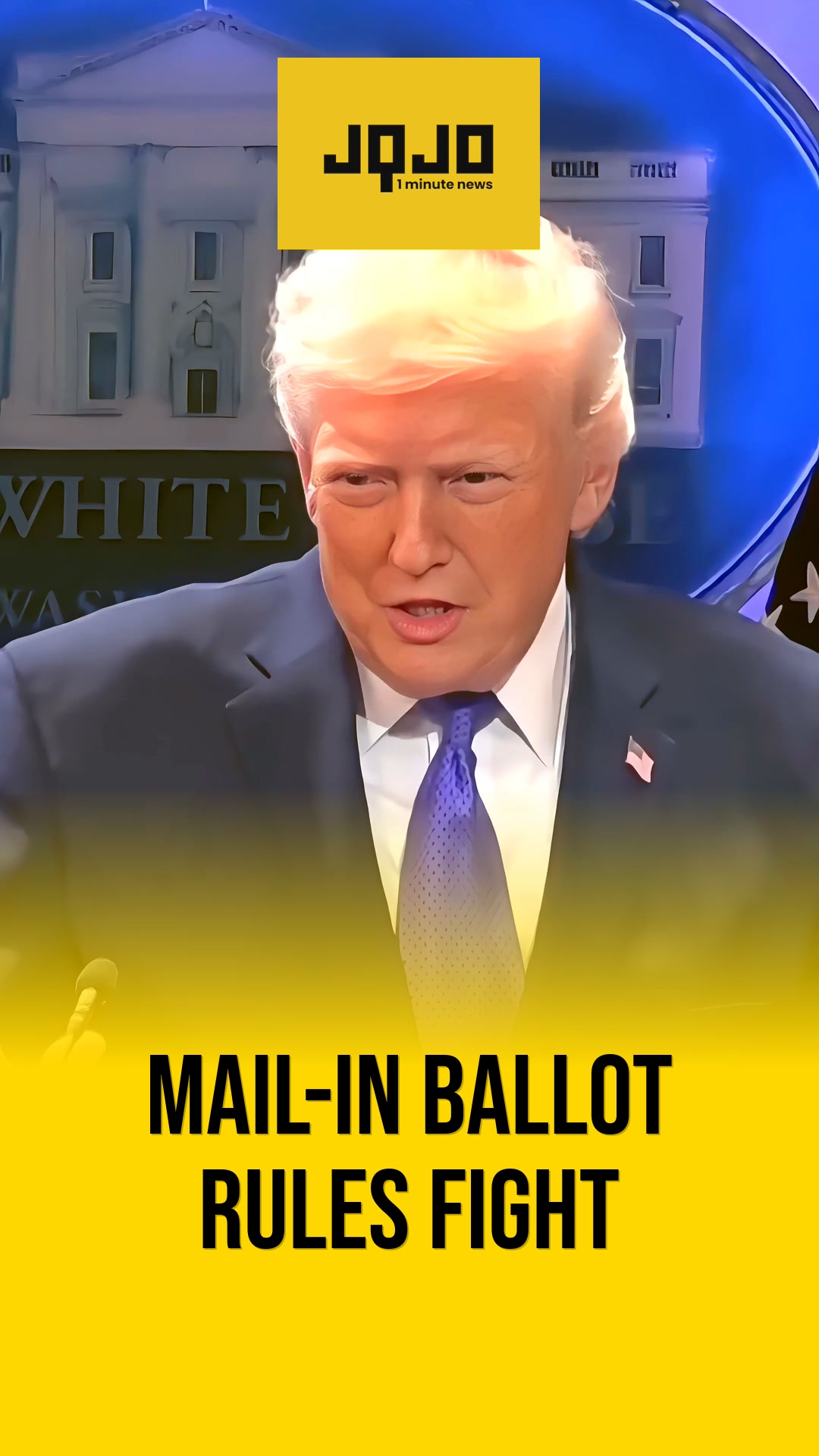
Less than 90 days before the midterm elections, election officials are pleading with the Supreme Court to block the Trump administration from making changes that would allow the U.S. Postal Service to decide who gets mail-in ballots. The legal fight stems from a March executive order issued by President Donald Trump. The order instructed the Department of Homeland Security to compile lists of confirmed U.S. citizens eligible to vote and directed the Postal Service to only deliver ballots to voters on each state's approved mail-in ballot list. Lower courts have blocked the order. On July 27, the Trump administration asked the Supreme Court to allow federal agencies to implement two parts of the executive order. The administration's emergency appeal seeks to create a federal list of eligible voters and limit delivery of mail ballots only to people on that list in nearly half the states for the midterm elections. A group of states that brought the lawsuit told the Supreme Court on August 3 there would be “extraordinary consequences” if the Trump administration is allowed to move forward with an overhaul of mail-in voting rules so close to the election. On July 5, a bipartisan group of more than 100 election officials filed a friend of the court brief. They warned there would not be sufficient time to test new procedures, train election staff and educate voters about the changes. They wrote that allowing the executive order to take effect “will be chaos”. The Postal Service updated its postmark guidelines in December 2025. The changes mean an envelope is postmarked based on when it is first processed by an automated sorting machine rather than the date it was dropped off. In some cases, multiple days can pass between dropping off mail and it being postmarked. More than a dozen states accept ballots as long as they were postmarked on or before Election Day. The new rules have led states to urge voters to use drop boxes instead of the mail system. Washington state Attorney General Nick Brown said drop boxes "don't involve the federal government" and are the best way to avoid "attempts to interfere by the federal government". The Supreme Court could issue a decision any day.
By Mahnoor A. | JQJO News
Timeline of Events
- On March 31, 2026: President Trump issues executive order restricting federal mail ballot delivery.
- On June 2, 2026: Postal Service publishes proposed administrative rules on ballot mail handling.
- On June 29, 2026: District Court Judge Indira Talwani strikes down central federal directive.
- On July 5, 2026: Bipartisan election officials file Supreme Court amicus warning of chaos.
- On July 27, 2026: Justice Department files emergency appeal asking Supreme Court to intervene.
- On August 3, 2026: State attorneys general urge High Court to deny federal emergency stay.
- On August 10, 2026 (07:40 PKT): Supreme Court deliberates emergency application as midterm deadlines draw near.
- The Supreme Court will likely issue an emergency order soon.
- Lower court injunctions may remain active through November midterm elections.
- State election administrators will expand ballot drop box network access.
News Intelligence
- Supreme Court ruling determines mail ballot rules for midterm elections.
- Federal executive power over state voting administration faces constitutional limits.
- State election boards, mail-in voters, DHS, and Postal Service.
- Prioritise court filings, state secretary notices, and local drop boxes.
Coverage of Story:
From Center
Trump asks Supreme Court to let him curtail mail-in voting ahead of midterms
Cyberscoop Lawfaremedia Issueone Ace Usa USA Today Heraldsun The New York Times The Washington Post AP News Reuters CBS News Politico Bloomberg The HillFrom Right
Justice Department Asks High Court to Lift Injunction on Mail Rules
The Wall Street Journal Fox News CNN Washingtontimes Nationalreview


Comments