Big Oil’s $48B Windfall Draws Trump Ire and Tax Threats
PUBLISHED Aug 10, 2026, 11:08 AM ET
Read, Watch or Listen
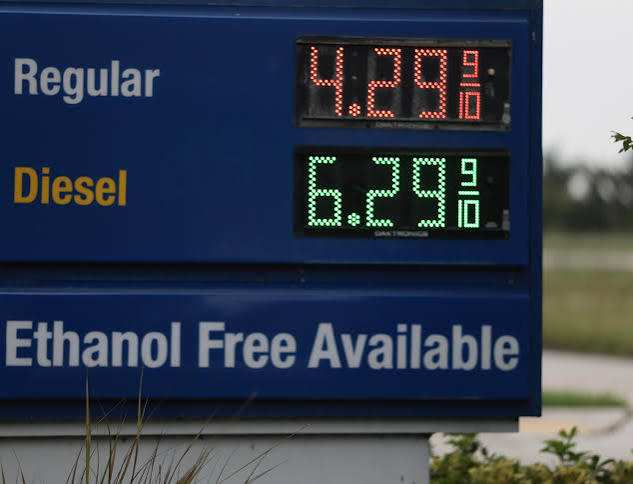
the five largest publicly traded oil companies- Exxon Mobil, Chevron ,bp,shell,and total engineer - reported a combined $48 billion in second-quarter profit for 2026, according to financial statements released over the past week. The five supermajors also generated nearly $90 billion in cash during the same period. The windfall resulted from elevated fossil-fuel prices following hostilities between the United States and Iran. Brent crude traded near $70 per barrel before U.S.-Israeli strikes in late February, reached $126 by the end of April, and now sits around $85. The cash generation exceeded even the surge that followed Russia’s full-scale invasion of Ukraine in early 2022. Chevron posted its highest-ever quarterly profit of $12.2 billion. Exxon Mobil reported $14.5 billion — double the year-ago period and its best since the 2022 invasion. BP’s profit doubled to $5.7 billion. President Donald Trump lashed out at Exxon and Chevron for making “too much money” off higher fuel prices, demanding they “give some of that back to the public” and cut retail prices. Gasoline averages $4.11 a gallon, according to AAA, against the $2.25 Trump says the drop in crude should have delivered. Rather than boost capital spending, dividends, or buybacks, the supermajors mostly stockpiled cash and paid down debt, said Clark Williams-Derry, energy finance analyst at the Institute for Energy Economics and Financial Analysis. Cash reserves across the five companies jumped by a little over $17 billion on a quarterly basis. “The cynical way to describe the oil industry’s financial playbook is: ‘Pray for war,'” Williams-Derry said. Executives defended their approach. BP Chief Executive Meg O’Neill told CNBC’s “Squawk Box Europe” on Aug. 4 that the company is “driving hard on reliability, both on our upstream assets where we produce those barrels and the refining assets where we refine them”. Shell CEO Wael Sawan described volatility as “the new normal,” with higher commodity prices providing a strong tailwind. The bumper earnings have revived calls for windfall taxes. Portugal’s government last week approved a windfall tax on extraordinary profits earned by oil and refining companies in 2026. Campaigners including Global Witness have called on policymakers to impose higher taxes on energy majors to fund climate-resilient infrastructure. The American Petroleum Institute, a lobby group representing about 600 drilling companies and refiners, pushed back. “Windfall profits taxes don’t lower prices for consumers — they discourage the long-term investment needed to strengthen supply, infrastructure and a more resilient energy system,” an API spokesperson said. The profit bonanza may not be sustainable, said Russ Mould, investment director at AJ Bell. “This may be the result of the feeling that the current profit and cash flow bonanza may not be sustainable, especially if America and Iran come to a lasting, peaceful settlement, or fears of fresh taxation,” Mould said. The last time Washington pressured the industry on pricing, in the wake of the 2022 invasion, oil majors faced similar scrutiny before crude retreated.
By Mahnoor A. | JQJO News
Timeline of Events
- On February 24, 2022 Russia invaded Ukraine, triggering a global energy shock.
- On February 20, 2026 U.S.-Israeli military strikes initiated heightened conflict with Iran.
- On February 28, 2026 Brent crude traded near seventy dollars per barrel.
- On April 30, 2026 Brent crude prices surged to one hundred twenty-six.
- On August 4, 2026 BP Chief Executive Meg O’Neill defended asset operational reliability.
- On August 5, 2026 Portugal approved windfall taxes on extraordinary corporate energy profits.
- On August 7, 2026 Big Oil second-quarter profits reached forty-eight billion dollars.
- On August 8, 2026 President Trump demanded oil majors cut retail gasoline prices.
- On August 10, 2026 Crude oil trading stabilized around eighty-five dollars per barrel.
- On November 1, 2026 Lawmakers may debate windfall profit taxes during legislative sessions.
- On January 15, 2027 Diplomatic negotiations could ease Middle East oil supply disruptions.
- On June 30, 2027 Energy majors will adjust capital expenditures based on market prices.
News Intelligence
- High gas prices increase transport costs and broader consumer inflation.
- Prolonged fuel inflation could suppress consumer spending and growth.
- U.S. motorists, logistics firms, commuters, and oil refining corporations.
- Focus on verified financial filings and official government policy statements.
Coverage of Story:
From Left
Campaigners demand climate action funding from oil majors' $48bn windfall
The Guardian Politico The Washington Post The New York Times CNNFrom Center
Global oil majors report $48bn Q2 windfall amid regional tension
Afp Lemonde USA Today The Hill Ogj Energyintel Spglobal Dallasnews Houstonchronicle Businessinsider Forbes Barrons BBC Marketwatch AP NewsFrom Right
BP and Shell earnings spark debate over windfall taxes in UK and US
Telegraph Nationalreview Washingtonexaminer Investors Foxbusiness




Comments