'Highlander' Star Christopher Lambert Collapses at Pittsburgh Comic Con, on the Mend
Tap title to read story
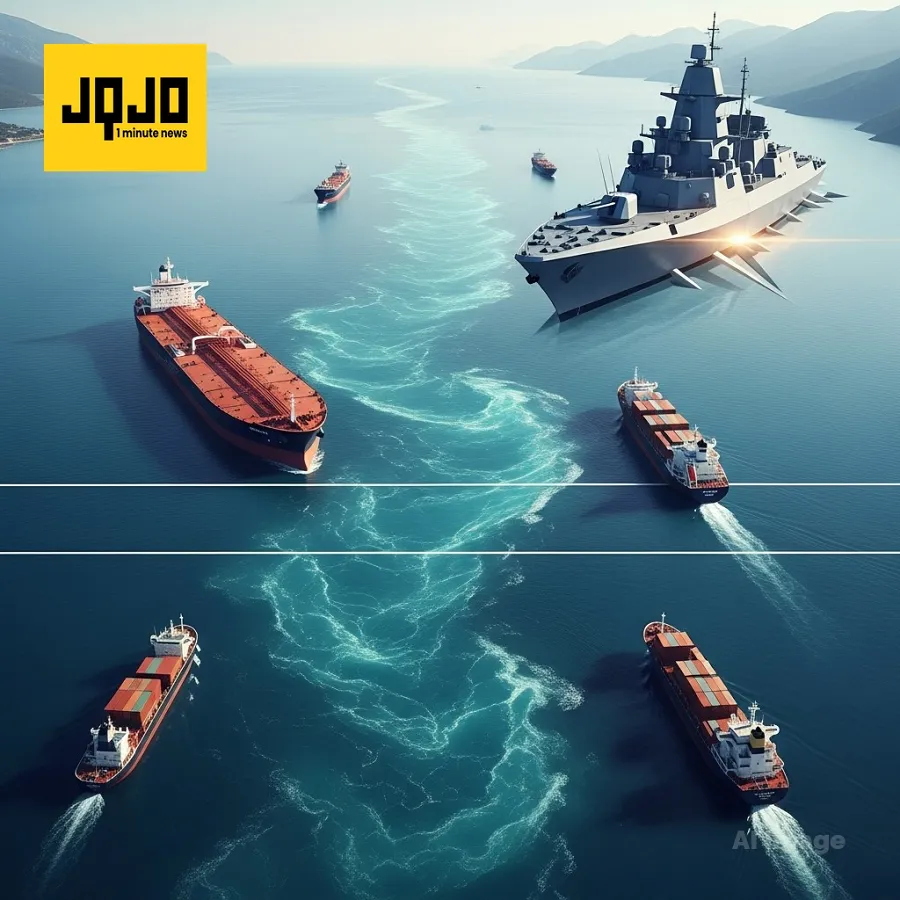
Iran announced strict new conditions for reopening the Strait of Hormuz to commercial shipping traffic. Mohammad Bagher Zolghadr stated the oil transit route remains closed until Washington alters its regional policies. Tehran demands a permanent halt to United States military threats against Iran and its allies. Authorities also called for the complete lifting of naval blockades and withdrawal of foreign forces. This development contrasts with earlier diplomatic discussions held through Oman regarding restored shipping lanes. U.S. officials previously maintained that normal maritime traffic must resume before any reciprocal concessions. The security council position introduces rigid prerequisites prior to any future reopening agreements. Global energy markets reacted with volatility amid concerns over potential crude supply disruptions. Both nations continue diplomatic maneuvering as regional tensions persist across international waterways affecting worldwide petroleum distribution networks today.
More context
Timeline
- On August 1, 2026, regional shipping tensions escalated in the Persian Gulf.
- On August 3, 2026, commercial vessels faced increased security risks near Hormuz.
- On August 5, 2026, U.S. officials pursued diplomatic talks through Omani intermediaries.
- On August 9, 2026, Iran issued hardline prerequisites for reopening the strait.
- On August 9, 2026, Tehran demanded complete withdrawal of American naval forces.
- On August 9, 2026, Washington rejected preliminary conditions regarding regional military presence.
- On August 12, 2026, energy analysts anticipate continued crude price market fluctuations.
- On August 18, 2026, diplomatic channels may experience further operational breakdowns.
- On August 25, 2026, regional allied forces could increase readiness levels.
- On September 1, 2026, maritime trade routes might remain restricted.
Why it matters
Higher fuel costs immediately pressure American consumers and logistics businesses. Sustained supply chain disruptions threaten broader economic stability nationwide. American motorists and international petroleum import companies suffer most. Carefully compare multiple international news sources for objective reporting.
Coverage notes
Left: Focuses on diplomatic challenges and criticized executive foreign policies. Right: Emphasizes foreign threats and highlights perceived national defense
Primary report
Iran sets strict new conditions for reopening Strait of Hormuz
Sources
JQJO Editorial Desk · Human reviewed · AI assisted. Report a correction.