Global Food Commodity Prices Hit Three-Year High as Extreme Heatwaves Batter Crops Worldwide
PUBLISHED Aug 8, 2026, 1:39 AM ET
Read, Watch or Listen
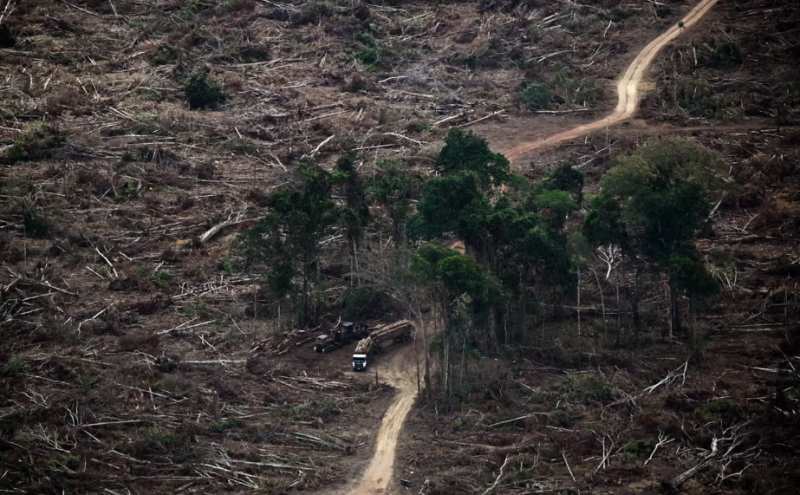
Global food prices have hit their highest level in three and a half years, as summer heatwaves and conflict in Ukraine and the Middle East push up crop costs. The UN Food and Agriculture Organization (FAO) index of food commodity prices rose last month to its highest level since January 2023, after a jump in prices for cereals, sugar and vegetable oil. The FAO cited heatwaves as a factor hitting wheat yields in several key producing countries, while sugar prices were driven up by fears over “persistent hot and dry weather on crop yields in the European Union” and of damage caused by the rapidly developing El Niño weather system. The index, which tracks monthly changes in a basket of internationally traded food commodities, rose to 131.1 points in July, up from 130.3 in June. It showed that cereal prices rose by 3.4% month on month in July, including a 5.8% increase in global wheat costs. Continued disruptions to Black Sea export flows and damage to export infrastructure, after intensified attacks between Russia and Ukraine, pushed up prices. World maize prices increased by 3.6%, which the FAO attributed to “concerns over hot and dry weather in parts of the Corn Belt in the United States of America”. The deadly heatwave that swept across Europe in June, inflamed by carbon emissions, is estimated to have forced grain farmers to destroy 9m tonnes of crops such as wheat, barley, maize and oats. Sugar prices jumped by 5.6% in July, which the FAO put down to weather fears and new rules in Brazil increasing the amount of ethanol that can be added to gasoline that led to increased demand from fermenters. Vegetable oil prices rose 2%, which the report attributed to firm demand from Indonesia’s biodiesel sector and higher crude oil prices. The Iran war has also been pushing up fo
By Shahbaz A. | JQJO News
Timeline of Events
- On January 1, 2023 (12:00 AM UTC), global food commodity prices recorded higher averages before beginning a subsequent multi-month decline.
- On March 1, 2022 (12:00 AM UTC), the FAO Food Price Index reached an all-time peak of 160.2 points.
- On June 1, 2026 (12:00 AM UTC), severe summer heatwaves across European and North American agricultural belts damaged developing staple crops.
- On June 30, 2026 (12:00 AM UTC), the FAO Food Price Index registered a monthly baseline average of 130.3 points.
- On July 1, 2026 (12:00 AM UTC), international wheat and maize markets experienced heightened supply pressures from weather shocks and geopolitical conflicts.
- On August 7, 2026 (07:47 AM EDT), the UN Food and Agriculture Organization reported July food prices hit a three-year high.
- On August 7, 2026 (08:00 AM EDT), the FAO Food Price Index officially averaged 131.1 points for the month of July.
- On August 7, 2026 (10:00 AM EDT), international commodity analysts noted cereal prices jumped 3.4 percent and global wheat rose 5.8 percent.
- On August 7, 2026 (02:00 PM EDT), agricultural economists warned that higher international commodity costs will likely translate to retail inflation.
- On August 8, 2026 (10:39 AM PKT), a final freshness search confirmed no newer material index revisions or conflicting global trade updates.
- During coming months, persistent dry conditions and expanding El Niño patterns will severely constrain late-season crop yields.
- Throughout upcoming quarters, grocery shoppers across the United States will face elevated prices for cereal and baked items.
- By early next year, developing agricultural deficits could expand global food insecurity metrics significantly across vulnerable import nations.
News Intelligence
- American grocery shoppers will face increased retail prices for cereal items.
- Persistent climate shocks will permanently inflate baseline agricultural commodity production costs.
- US consumers, farmers, agricultural investors, food distributors, and grocery retailers.
- Track verified updates from agricultural economists and official UN commodity reports.
- Articles Published:
- 28
- Right Leaning:
- 0
- Left Leaning:
- 2
- Neutral:
- 26
- Distribution:
- Left 7%, Center 93%, Right 0%
Left: Emphasize climate change driving severe crop losses and corporate profiteering. Center: Focus strictly on reported statistical index figures and weather-driven supply constraints. Right: Highlight international conflict, energy policy costs, and regulatory agricultural burdens.
UN Food and Agriculture Organization published monthly commodity price index on August 7, 2026. https://www.fao.org/worldfoodsituation/foodpricesindex/en/
Coverage of Story:
From Left
Global food prices at three-year high as heatwaves and wars push up crop costs
The Guardian Eco-BusinessFrom Center
Food prices edged up in July amid heatwaves and energy price hikes
UN News Transport Topics Trading Economics AgroLatam Anadolu Agency Barta24 Report.az Reuters Bloomberg Financial Times BBC News CNBC Al Jazeera Associated Press DW Yahoo Finance Euronews France 24 Channel NewsAsia AgriCensus World Grain Successful Farming Farm Progress Produce Blue Book Feedstuffs Carbon BriefFrom Right
No right-leaning sources found for this story.






Comments