British Columbia district declares state of emergency, issues evacuation orders as wildfire rages
PUBLISHED Aug 8, 2026, 3:02 PM ET
Read, Watch or Listen
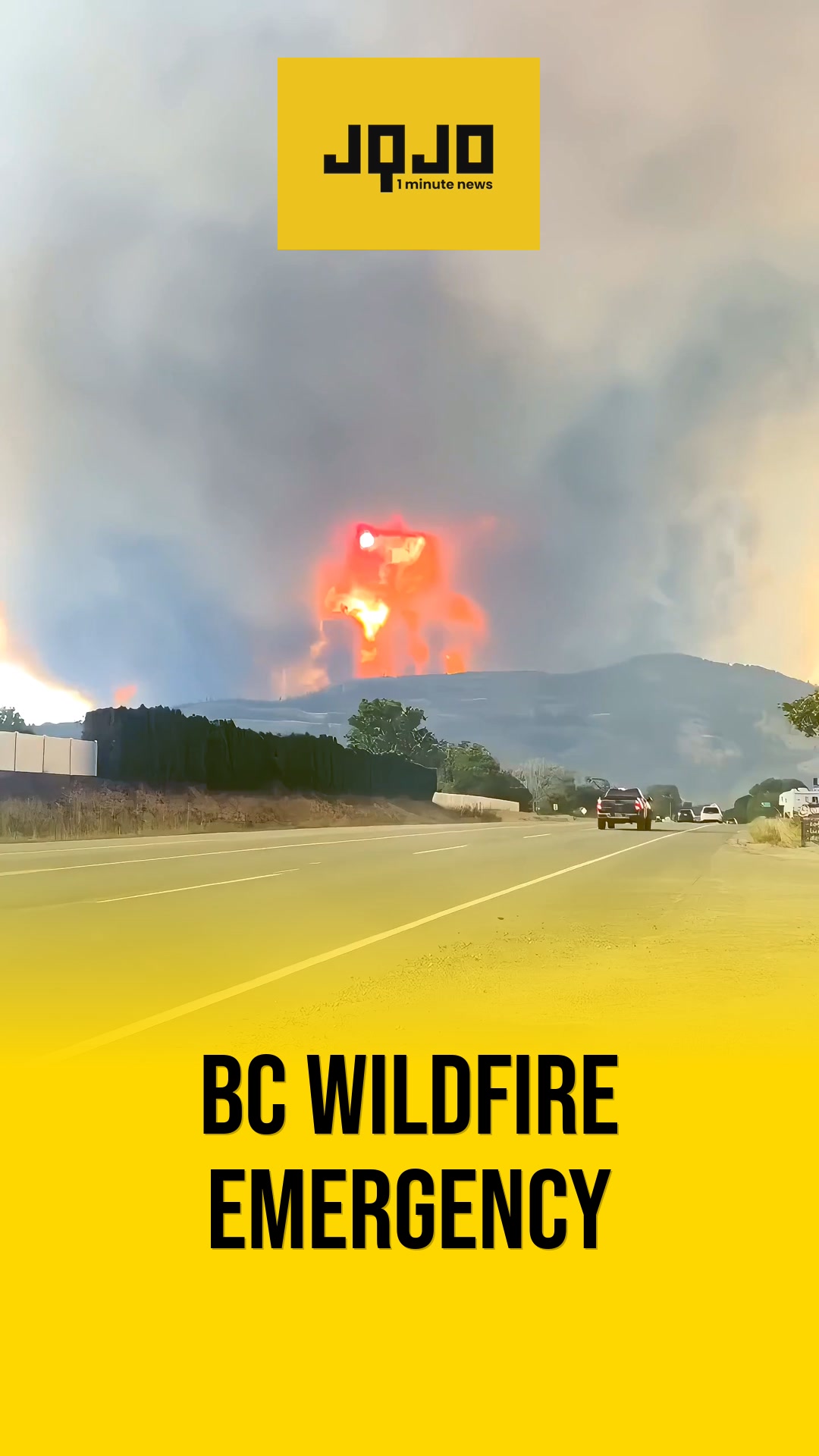
TORONTO, Aug 8 (Reuters) - A state of emergency was declared by the district of Summerland, British Columbia, early Saturday as a fast-moving wildfire swept through western Canada, forcing thousands of residents to evacuate their homes. The Bald Range wildfire was burning out of control and had grown to about 5,000 hectares as of early Saturday, after prompting evacuation orders in other regional districts this week. The fire originated about 15 kilometers (9 miles) west of Summerland, according to BC Wildfire Service.The district of Summerland, which is about 45 kilometers from Kelowna, said it lost power on Saturday due to the impact of the wildfire and issued a boil water notice for residents, saying untreated water had entered the system after the water treatment plant was bypassed due to the wildfire threat. Summerland has a population of about 12,000, according to a 2021 census. Several regions in Canada, including Ontario and Quebec, have battled blazes this year as hot, dry weather fueled wildfires in dense forest areas. Canada has received assistance from Mexico, Australia, France and New Zealand to help fight them.In British Columbia, where hot and dry conditions increase the risk of new fires and lightning could spark holdover fires, about 1,500 firefighting personnel are deployed across the province. The province has also issued 39 evacuation orders and 49 alerts. Premier David Eby said earlier this week that the province has sufficient resources, and was prepared with additional national and international firefighters and aircraft. Fires have burned through 3.9 million hectares in Canada this year, according to the Canadian Interagency Forest Fire Centre.
By Adyan K. | JQJO News
Timeline of Events
- On Aug 12, 2023, severe wildfires prompted emergency declarations across western Canada.
- On Jul 15, 2024, hot and dry weather accelerated seasonal forest blazes.
- On Jun 20, 2025, international firefighting personnel arrived to support provincial responses.
- On Aug 4, 2026, prolonged high temperatures elevated provincial wildfire risk levels.
- On Aug 6, 2026, dry lightning strikes sparked multiple new forest fire incidents.
- On Aug 7, 2026, the Bald Range wildfire began rapidly expanding out-of-control.
- On Aug 8, 2026, Summerland declared an emergency and issued mass evacuations.
- On Aug 8, 2026, power outages and boil water notices affected Summerland residents.
- On Aug 9, 2026, crews maintained tactical containment lines amid dry weather conditions.
- On Aug 9, 2026, emergency management agencies evaluated evolving regional evacuation orders.
- Evacuation orders will expand if erratic wind patterns accelerate fire spread.
- International firefighting support will continue operations throughout the active season.
- Provincial authorities will lift water restrictions after infrastructure safety is verified.
- Reconstruction funding will support displaced residents following structural damage assessments.
News Intelligence
- Smoke transport across northern states may degrade regional air quality.
- Prolonged climate risks could increase cross-border emergency resource sharing.
- Residents, regional utilities, municipal governments, firefighters, and displaced families.
- Prioritize official municipal alerts and provincial wildfire service updates.
- Articles Published:
- 22
- Right Leaning:
- 1
- Left Leaning:
- 2
- Neutral:
- 19
- Distribution:
- Left 9%, Center 86%, Right 5%
Left: Emphasizes climate change drivers and international resource sharing needs. Center: Focuses strictly on official emergency declarations, evacuations, and firefighting logistics. Right: Highlights government resource management, infrastructure vulnerabilities, and economic disruption impacts.
Reuters wire service breaking report published August 8, 2026. https://www.reuters.com/world/americas/british-columbia-district-declares-state-emergency-issues-evacuation-orders-2026-08-08/
Coverage of Story:
From Left
Summerland emergency highlights ongoing western Canadian wildfire management challenges
The Tyee Toronto StarFrom Center
British Columbia district declares state of emergency, issues evacuation orders as wildfire rages
Reuters CBC News Global News CTV News The Globe and Mail Castanet News Victoria Times Colonist Vancouver Sun CityNews Vancouver The Canadian Press Kelowna Capital News Penticton Western News InfoTel News CBC Radio Global News Radio CTV News Vancouver Kamloops This Week Prince George Citizen Vernon Morning Star




Comments