U.S. Raises Wildfire Preparedness to Maximum Level 5 as 94 Uncontained Blazes Rake the West
PUBLISHED Aug 5, 2026, 9:56 AM ET
Read, Watch or Listen
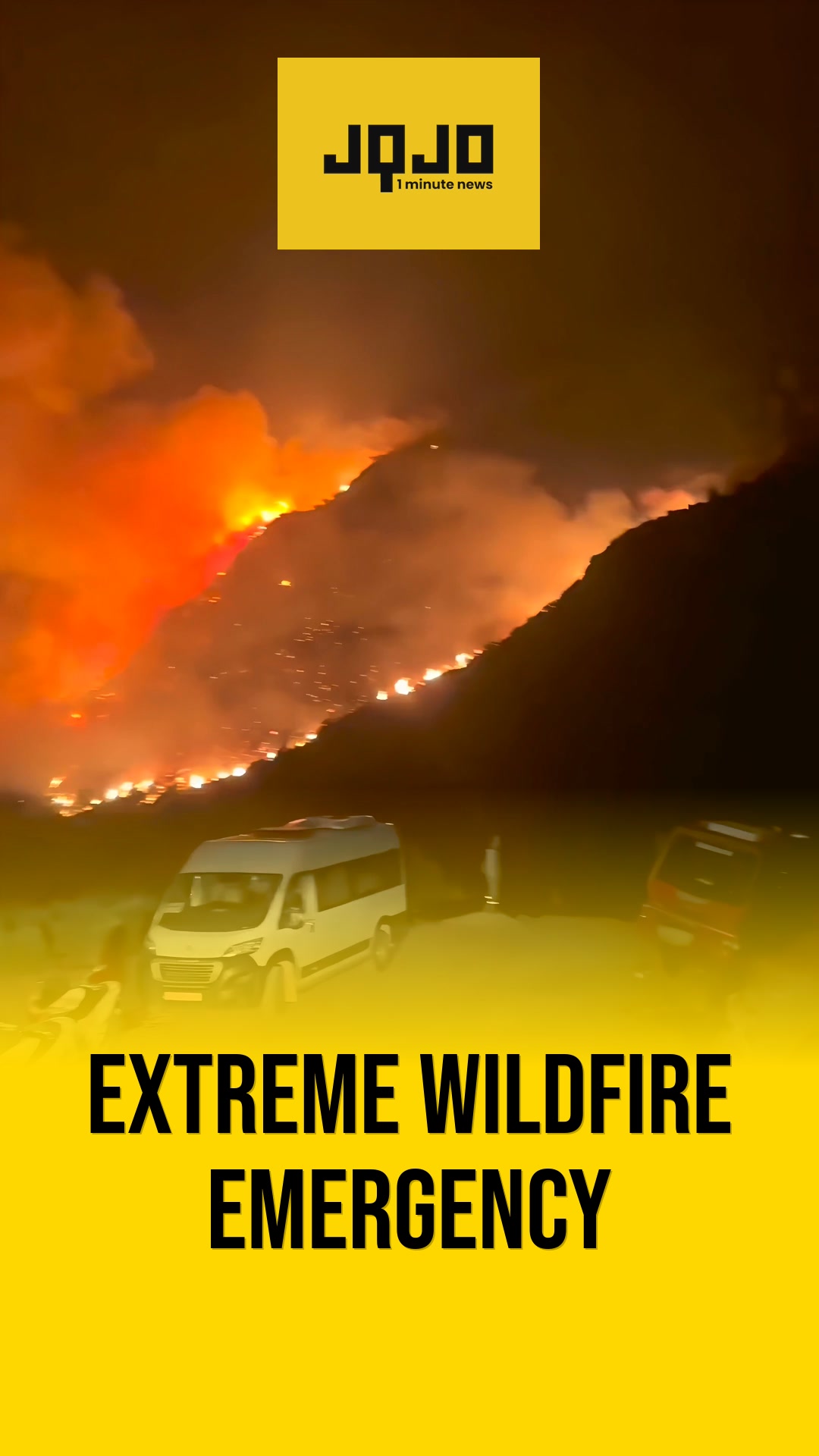
On August 5, 2026, the National Interagency Fire Center raised the U.S. National Preparedness Level to Level 5—the highest level of emergency readiness—as 94 uncontained large wildfires burned 3.26 million acres across nine western states. Over 28,700 wildland firefighters, 1,618 fire engines, and 180 helicopters are currently deployed nationwide. The Northwest region faces the most extreme fire conditions, accounting for 49 uncontained large blazes and over 2.27 million burned acres. To support exhausted U.S. fire crews, international firefighting personnel and specialized incident management teams from Australia and New Zealand arrived in the Pacific Northwest. Military support has also been activated. Four U.S. Air Force Reserve and Air National Guard C-130 aircraft equipped with Modular Airborne Fire Fighting Systems deployed to tactical airbases in Klamath Falls, Oregon, and Redding, California, to conduct continuous retardant drops. Extreme heat, record low fuel moisture, and dry lightning threats across Oregon, Washington, Idaho, and California continue to complicate suppression efforts, with high-pressure heat domes locking extreme weather over active fire zones.
By Sarah Whitman | JQJO News
Timeline of Events
- On July 18, 2026 federal officials declared Level 5 preparedness.
- On July 20, 2026 FEMA tracked 78 uncontained western wildfires.
- On July 24, 2026 Colorado fires destroyed hundreds of structures.
- On August 3, 2026 Washington declared state emergency for Spokane fires.
- On August 4, 2026 international wildland firefighters arrived from Oceania.
- On August 5, 2026 (0730 MDT) ninety-four blazes burned uncontained.
- On August 5, 2026 28,700 firefighters deployed across western states.
- On August 5, 2026 MAFFS military C-130 aircraft conducted drops.
- Extreme heat domes will sustain elevated fire risk through August.
- Dry lightning strikes expect to trigger additional remote fire starts.
- High preparedness levels will constrain interagency emergency deployment capabilities nationally.
News Intelligence
- Immediate US impact: Severe resource exhaustion limits nationwide emergency response to new wildfires.
- Possible long-term US impact: Escalating suppression costs strain federal budgets and insurance market stability.
- Most affected groups: Western residents, wildland firefighters, public utilities, and regional agricultural producers.
- Prioritisation: Prioritize official evacuation notices, emergency alerts, and verified safety updates.
- Articles Published:
- 19
- Right Leaning:
- 2
- Left Leaning:
- 6
- Neutral:
- 11
- Distribution:
- Left 32%, Center 58%, Right 11%
Left: Highlights climate change, extreme heat domes, and ecological crisis urgency. Center: Focuses on official preparedness levels, firefighting assets, and acreage burned. Right: Emphasizes forest management, land clearing policies, and military asset deployment.
NIFC Incident Report on August 5, 2026 confirmed Level 5. Direct URL: https://www.nifc.gov/nicc-files/sitreprt.pdf
Coverage of Story:
From Left
Wildfires sweep across Pacific Northwest as U.S. hits maximum preparedness level
CNN NBC News CBS News ABC News The Washington Post The New York TimesFrom Center
U.S. Raises Wildfire Preparedness to Maximum Level 5 as 94 Uncontained Blazes Rake the West
National Interagency Fire Center (NIFC) National Interagency Fire Center Bureau of Land Management Xinhua News Agency Associated Press Emergency Management Network BME Fire Trucks USDA Forest Service Reuters NPR USA TodayFrom Right
Breaking Weather News | FOX Weather Home of America's Weather Team
FOX Weather Wall Street Journal



Comments