China Retaliates Against US With Immediate Drone Export Controls and Blacklists Six American Entities
Tap title to read story
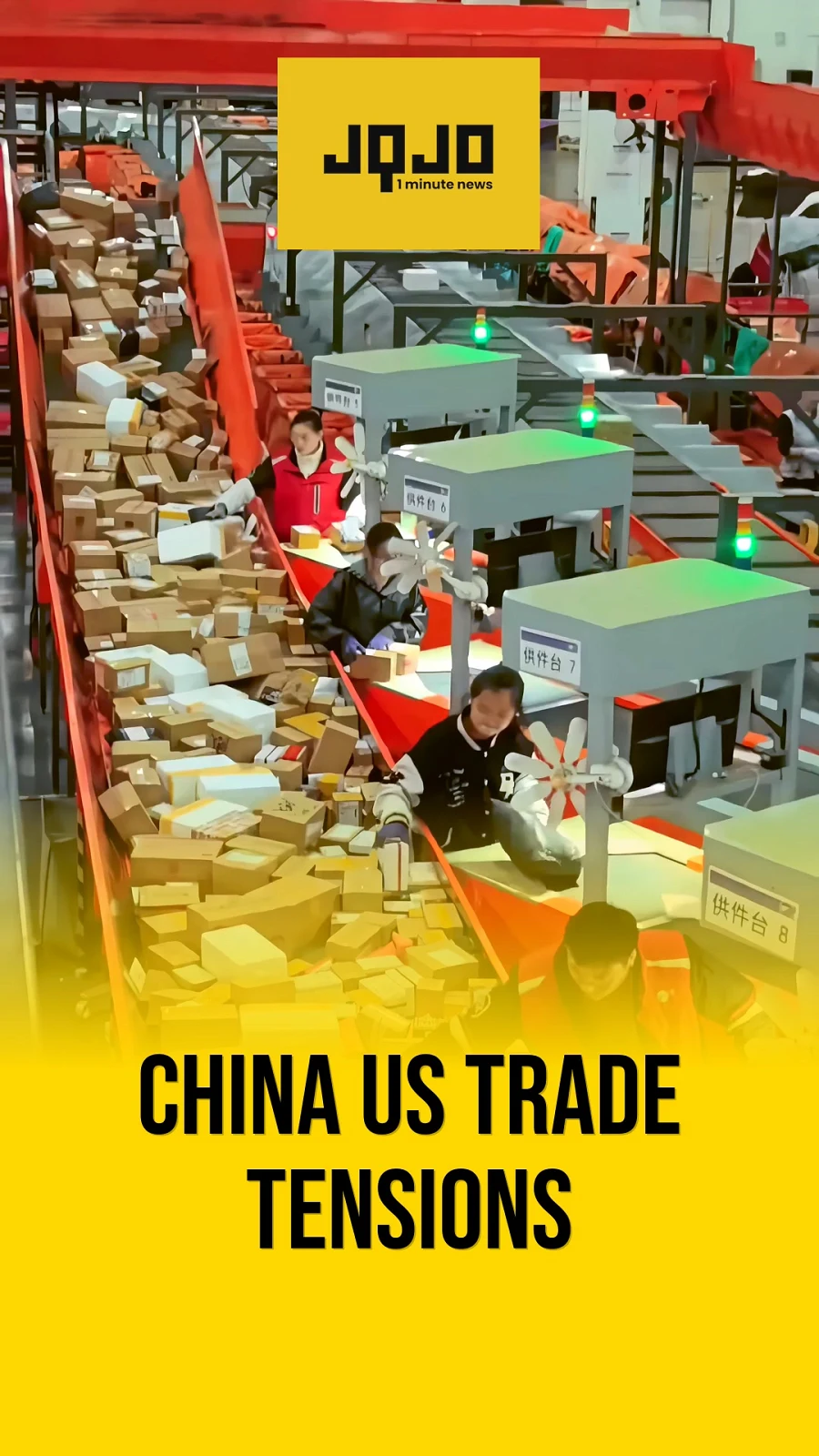
On August 5, 2026, China’s Ministry of Commerce issued Announcement No. 34 of 2026, imposing immediate export controls on drones, key drone components, and flight technologies destined for the United States. Under the new policy, all exports to the U.S. involving items listed on China’s Dual-Use Items Export Control List will be subject to strict case-by-case reviews and will no longer qualify for standard license facilitation measures. The retaliatory action follows a series of trade enforcement steps recently taken by Washington. The U.S. government previously enacted bans on Chinese advanced robotics and power converters, imposed new 10 percent to 12.5 percent tariffs on Chinese imports, and added 43 Chinese firms to the Uyghur Forced Labor Prevention Act Entity List. In addition, the U.S. Federal Communications Commission introduced new regulatory restrictions targeting Chinese technology entities. Alongside the drone export curbs, Beijing placed six American companies and organizations on its official countermeasures list: Applied DNA Sciences, Inc., Stratum Reservoir, LLC, Altana Technologies, Inc., the Responsible Business Alliance, Verite Group, Inc., and Human Rights in China. China’s Ministry of Commerce stated that these six entities assisted and supported illegal U.S. sanctions related to the Xinjiang region. Under the order, organizations and individuals within China are strictly prohibited from engaging in transactions, commercial cooperation, or business activities with any of the listed American entities. Beijing also initiated additional regulatory measures targeting U.S. commercial operations. China suspended factory follow-up inspection collaborations between Chinese certification bodies and U.S. compliance testing companies. Furthermore, the Ministry of Commerce launched national security investigations into imports of office printers and copiers manufactured by U.S. firms. In an official exchange following the announcement, Chinese Vice Premier He Lifeng spoke directly with U.S. Trade Representative Jamieson Greer to convey serious concerns regarding Washington’s trade restrictions and tariffs. A spokesperson for China’s Commerce Ministry stated that Beijing was forced to take necessary countermeasures to protect its commercial interests. The ministry urged the U.S. government to immediately revoke its restrictive trade policies and warned that China will enact further countermeasures if Washington imposes additional restrictions. This economic confrontation occurs weeks ahead of a planned summit between U.S. President Donald Trump and Chinese President Xi Jinping scheduled for September 2026.
More context
Timeline
- On March 12, 2024, United States authorities blacklisted additional Chinese technology entities.
- On October 15, 2024, Presidents Trump and Xi met to stabilize bilateral trade relations.
- On July 20, 2026, the United States banned advanced foreign-made robotics and power converters.
- On July 25, 2026, Washington added forty-three Chinese firms to the UFLPA Entity List.
- On July 28, 2026, the Federal Communications Commission proposed strict telecommunications hardware restrictions.
- On August 2, 2026, United States trade officials announced fresh tariffs targeting imports globally.
- On August 5, 2026 at 08:00, China issued Announcement Number 34 restricting drone exports.
- On August 5, 2026 at 12:00, Beijing blacklisted six American entities over Xinjiang sanctions.
- On September 24, 2026, scheduled presidential summit aims to address growing bilateral trade disputes.
- On December 31, 2026, analysts expect prolonged supply chain friction across technology hardware sectors.
Why it matters
Immediate trade restrictions threaten critical technology components and manufacturing supply chains. Protracted economic decoupling may fundamentally reshape global high-tech manufacturing ecosystems. United States technology companies, manufacturers, and international trade stakeholders face disruption. Stakeholders must monitor official regulatory notices and primary government filings closely.
Coverage notes
Left: Framed as escalating trade tensions requiring careful diplomatic management. Center: Framed objectively as mutual economic retaliation affecting global supply chains. Right: Framed as necessary defensive measures against unfair American trade policies.
Primary report
Triggered by Announcement No. 34 from China Ministry of Commerce on August 5, 2026. Direct URL to the original triggering source, where available but only 1:
Sources
JQJO Editorial Desk · Human reviewed · AI assisted. Report a correction.