Iran Denies Trump's Strait of Hormuz Deal as US Embassies Warn Citizens
PUBLISHED Aug 3, 2026, 8:58 AM ET
Read, Watch or Listen

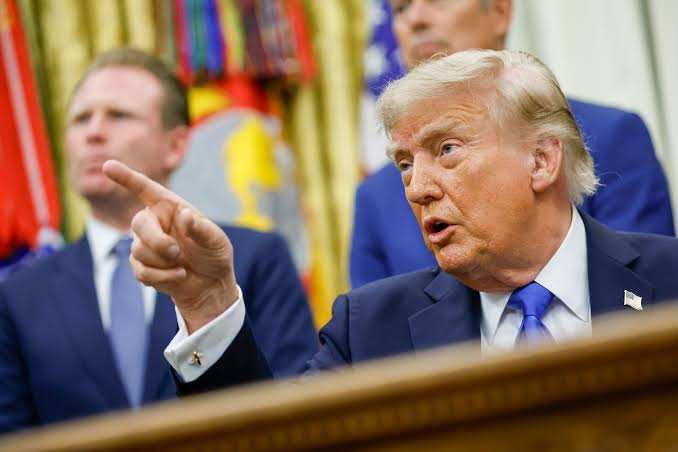
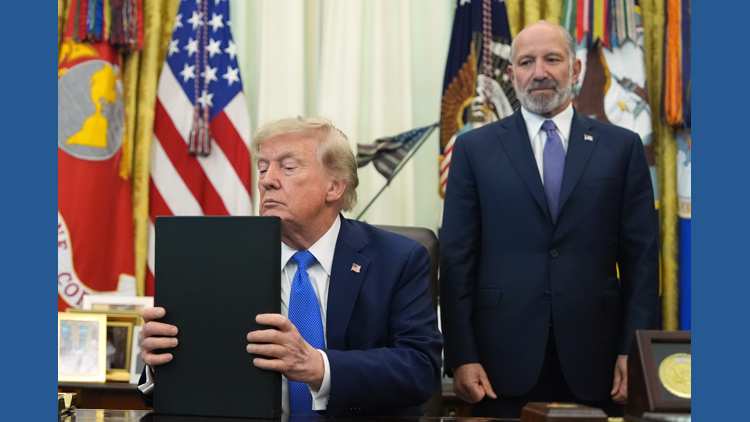
On Monday, August 3, 2026, the Iranian government officially denied claims by U.S. President Donald Trump that an agreement had been reached to reopen the strategic Strait of Hormuz. During a televised press briefing in Tehran, Iranian Foreign Ministry spokesperson Esmaeil Baqaei contradicted the U.S. President's recent statements regarding diplomatic progress. "We are not currently negotiating with the United States," Baqaei stated. "Our negotiations are with Oman to secure passage through the Strait of Hormuz". The denial followed a weekend announcement by President Trump, who stated he had cancelled a planned military strike on Iran. Trump described the aborted operation as "the biggest attack since World War II," which would have targeted Iranian energy infrastructure. According to Trump, the strike was halted after Iran and other Middle Eastern nations requested time to finalize a deal that would result in the "immediate, complete, and total" reopening of the Strait of Hormuz and an end to Iran's nuclear threat. Iranian state media rejected these claims. The semi-official Fars news agency quoted military sources confirming that no agreement exists to reopen the waterway. The sources stated the maritime corridor will remain blocked as long as U.S. "hostile actions" continue, warning that any vessels attempting to navigate unapproved routes without prior authorization from the Islamic Revolutionary Guard Corps Navy could face "incidents". The diplomatic breakdown occurs amid heightened military readiness. Iranian Foreign Minister Abbas Araghchi communicated to Saudi Foreign Minister Prince Faisal bin Farhan that Iranian forces remain equipped to counter any U.S. or Israeli offensive with a "decisive and proportionate response". In anticipation of potential conflict, U.S. embassies across the Middle East—including missions in Bahrain, Egypt, Iraq, Israel, Jordan, Kuwait, Lebanon, Oman, Qatar, Saudi Arabia, and the United Arab Emirates—issued widespread securi
By Daniel Hayes | JQJO News
Timeline of Events
- On February 28, 2026, armed conflict officially commenced between American and Iranian military forces.
- On June 17, 2026, both nations remotely signed an initial temporary ceasefire agreement framework.
- On July 1, 2026, Iranian naval forces began heavily restricting international commercial maritime shipping.
- On August 1, 2026, Donald Trump announced cancelling a massive retaliatory military airstrike operation.
- On August 1, 2026, American embassies issued immediate security departure warnings for regional citizens.
- On August 2, 2026, Iranian military leaders officially rejected American claims regarding halted strikes.
- On August 3, 2026, the Iranian foreign ministry completely denied conducting direct American negotiations.
- On August 3, 2026, global crude oil prices tumbled significantly following diplomatic deal rumours.
- Regional maritime commercial shipping disruptions will likely persist indefinitely now.
- American citizens remaining across the Middle East face evacuation risks.
- Energy markets will experience extreme volatility without a verified agreement.
- Diplomatic backchannels through Oman might eventually establish a shipping corridor.
News Intelligence
- Consumers face sudden domestic gasoline price fluctuations amid supply uncertainty.
- Extended Middle Eastern conflicts could force prolonged American military deployments.
- American citizens abroad, military personnel, and domestic petroleum energy consumers.
- Readers must monitor official State Department travel advisories constantly today.
- Articles Published:
- 17
- Right Leaning:
- 0
- Left Leaning:
- 2
- Neutral:
- 15
- Distribution:
- Left 12%, Center 88%, Right 0%
Left: Progressive outlets highlight diplomatic instability and question unverified presidential declarations. Center: Mainstream reports focus strictly on official denials and market reactions. Right: Conservative coverage emphasizes presidential deterrence and severe regional security threats.
August 3, 2026, 15:57: The Hindu reported Iranian government denials. https://www.thehindu.com/news/international/iran-us-war-live-updates-donald-trump-on-iran-us-talk-strait-of-hormuz-ceasefire-deal/article71299723.ece
Coverage of Story:
From Center
Iran Denies Trump's Strait of Hormuz Deal as US Embassies Warn Citizens
The Hindu The Hindu Anadolu Agency The Times of Israel ICIS ANI News The Indian Express LiveMint The Hindu ANI News Times of India The Jakarta Post Arab News ANI News Anadolu AgencyFrom Right
No right-leaning sources found for this story.


Comments