State of Emergency Declared as Flash Floods Slam Northeast
Read, Watch or Listen

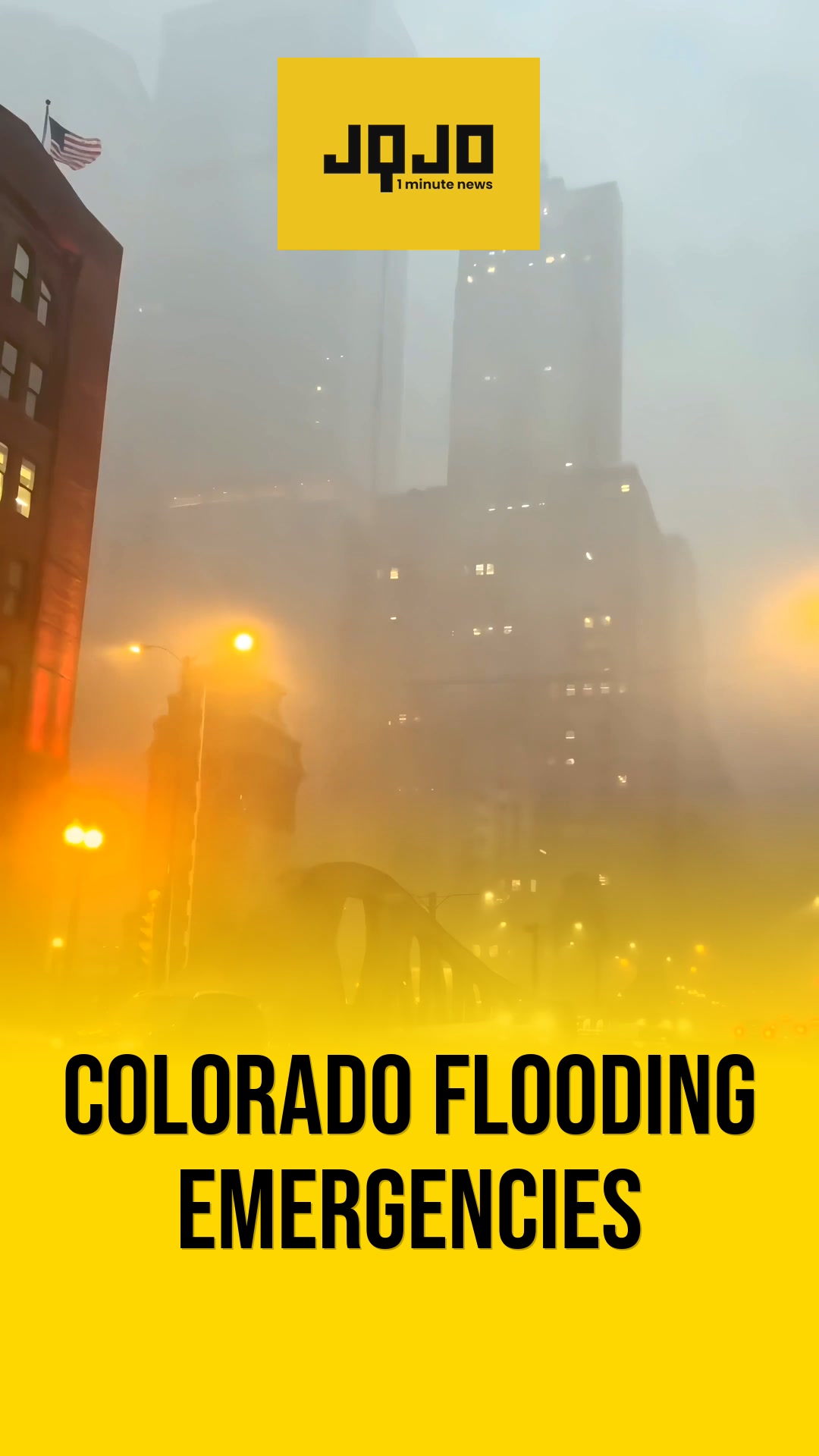
A state of emergency has been declared in New York City and New Jersey on July 31 as a powerful storm system hits the U.S. East Coast, bringing dangerous torrential rainfall and flash flooding to the region. New York Governor Kathy Hochul announced she would declare a state of emergency for more than 15 counties, including New York City. The state staged water rescue teams and sent non-essential employees home in several counties at 1 p.m.. "I am urging all New Yorkers to stay vigilant, stay informed, and use caution as we expect excessive rainfall with the potential for flash flooding," Hochul said. In New Jersey, Acting Governor Tahesha Way declared a statewide state of emergency effective from 2:00 p.m. on Thursday, July 31. By the afternoon of July 31, more than 50 million people in the region were forecast to be under a flood watch. Flash flood warnings with a "considerable damage" threat were in effect for Queens, Bronx, and Philadelphia. Hard rain and flash flooding started arriving by early afternoon, with scattered reports of flooded roads and stranded cars in Pennsylvania, New Jersey, and New York City. In Baltimore, the weather service upgraded the flood warning threat to "considerable" after more than 4 inches of rain fell in some locations. A Maryland Mesonet gauge in Sykesville recorded 0.82 inches in 10 minutes and 2.1 inches in 30 minutes. In Berks County, Pennsylvania, a gauge measured 3.32 inches of rain in 42 minutes, with multiple vehicles stranded and reports of people being rescued from their cars. The severe weather follows days of extreme heat, with daily record high temperatures set at LaGuardia Airport (99 degrees) and Atlantic City, New Jersey (97) on July 30. The National Weather Service had forecast as much as 3 inches of rain, with even higher amounts possible in isolated locations. Amtrak suspended rail operations between New York City and Albany due to debris on tracks, with additional rainfall expected to persist. M
Prepared by Olivia Bennett and reviewed by editorial team.
Timeline of Events
- · On July 27, 2026, slow-moving storm system began drenching New Jersey and Pennsylvania.
- · On July 28, 2026, Governor Hochul urged caution ahead of heavy rains and potential flooding.
- · On July 28, 2026, New York City was placed under a Flood Watch forecasting 1.5 to 4 inches.
- · On July 29, 2026, New York declared states of emergency in Columbia and Greene counties.
- · On July 29, 2026, Amtrak canceled Empire Service between New York City and Albany.
- · On July 29, 2026, a 10-year-old boy drowned in New Jersey's Passaic River.
- · On July 29, 2026, Albany recorded 5.45 inches of rain, the wettest July day ever.
- · On July 29, 2026, Schodack, New York, received nearly 12 inches of rain from storm.
- · On July 29, 2026, New York's Capital Region experienced worst flooding since Tropical Storm Irene 2011.
- · On July 30, 2026, National Weather Service warned life-threatening flash flood threat shifting to New England.
- · On July 31, 2026, Governor Kathy Hochul declared a state of emergency for New York City.
- · On July 31, 2026, Acting Governor Tahesha Way declared a statewide emergency for New Jersey at 2:00 PM.
- · On July 31, 2026, more than 50 million people were forecast to be under a flood watch.
- · On July 31, 2026, flash flood warnings with "considerable damage" threat hit Queens, Bronx, and Philadelphia.
- · On July 31, 2026, hard rain and flash flooding arrived by early afternoon across the Northeast.
- · On July 31, 2026, scattered reports of flooded roads and stranded cars emerged in Pennsylvania and New Jersey.
- · On July 31, 2026, Amtrak suspended rail operations between New York City and Albany due to debris.
- · On July 31, 2026, the Woodville Avenue wastewater pump station was submerged in Albany.
- · On July 31, 2026, multiple jurisdictions across the Capital Region issued boil water orders.
- · On July 31, 2026, the National Weather Service issued flood watches covering New York, Connecticut, and Vermont.
- · Additional rainfall is expected to persist across the Northeast through the evening.
- · Flood warnings will remain in effect until waters recede from overwhelmed waterways.
- · Recovery and cleanup efforts will continue across affected counties in coming days.
- · Infrastructure damage assessments will determine the scale of federal disaster assistance needed.
- · Boil water advisories may remain in effect until water treatment plants are fully restored.
News Intelligence
Immediate US impact: Millions across Northeast face dangerous flooding, power outages, and travel disruptions.
Possible long-term US impact: Infrastructure damage and rising insurance costs from more frequent extreme weather events.
Most affected groups: Residents of New York, New Jersey, Pennsylvania, and Vermont in flood-prone areas.
What readers should prioritise: Monitor local emergency alerts and avoid travel through flooded roadways.
- Articles Published:
- 21
- Right Leaning:
- 0
- Left Leaning:
- 0
- Neutral:
- 21
- Distribution:
- Left 0%, Center 100%, Right 0%
Left: Coverage emphasizes climate change role in extreme weather and infrastructure vulnerability. Center: Reporting focuses on factual emergency declarations, rainfall totals, and public safety warnings. Right: Framing highlights government response effectiveness and criticizes preparedness for severe weather events.
New York Governor Kathy Hochul declared a state of emergency on July 31, 2026. https://www.governor.ny.gov/news/video-audio-rush-transcript-governor-hochul-urges-caution-ahead-heavy-rains-and-potential
Coverage of Story:
From Left
No left-leaning sources found for this story.
From Center
State of Emergency Declared as Flash Floods Slam Northeast
The Straits Times Straitstimes Wcax Abc17news Nripage Cbs6albany Timesnownews Cbs6albany Newsweek The Guardian BBC CNN CBS News Newsbreak Wamc Nbcnewyork ABC News Wsvn Ksl Berkshireeagle DailyvoiceFrom Right
No right-leaning sources found for this story.






Comments