Washington lawmakers propose China tariff-funded manufacturing bank
PUBLISHED Jul 23, 2026, 8:18 AM ET
Read, Watch or Listen
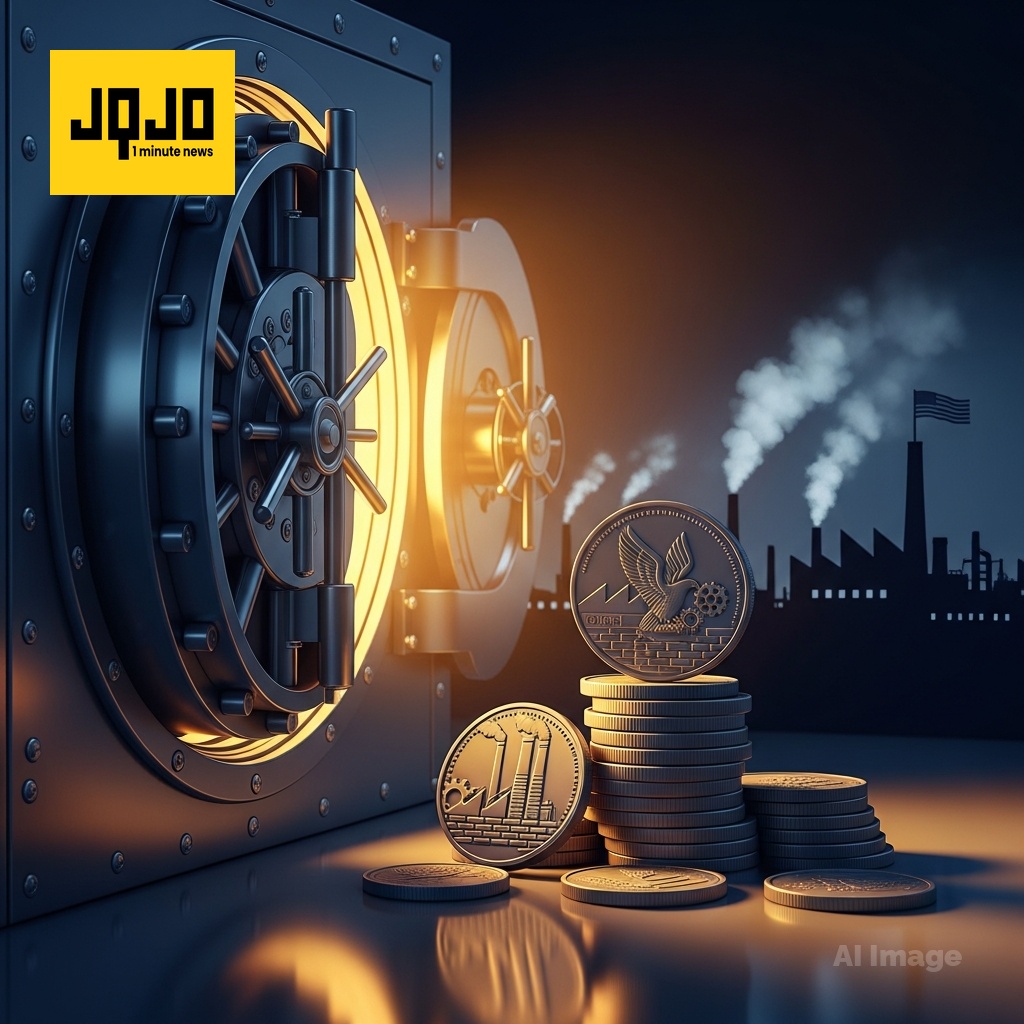
Washington – Congressional Democrats have introduced the Industrial Bank for American Manufacturing Act, a sweeping proposal to channel revenue from existing Section 301 tariffs on Chinese imports into a new federally backed manufacturing bank. Sponsored by Representatives Ro Khanna, Tom Suozzi and Debbie Dingell, the bill would redirect up to $15 billion a year away from the U.S. Treasury’s general fund. Lawmakers say the plan is designed to turn the Trump administration’s China tariff policy into a long-term industrial strategy, positioning it as the most ambitious state-led manufacturing initiative since World War II and likening it to a “Modern Marshall Plan for America.” Washington – Under the proposal, 50 percent of the China tariff revenue would fund grants, loans and equity investments for small and medium-sized manufacturers in communities hit hardest by de‑industrialization, including Johnstown and Bucks County in Pennsylvania, Lordstown in Ohio, and the Downriver auto corridor in Michigan. Democrats argue that tariffs alone have not halted the decades-long erosion of factory employment, noting that U.S. manufacturing jobs have fallen from about 19.6 million in 1979 to roughly 12.6 million, with a loss of 75,000 jobs since January 2025. The bill would impose strict oversight by capping individual loans at $500 million and requiring explicit congressional approval for any disbursement over $100 million, aiming to shift federal capital away from traditional financial and technology hubs toward industrial regions in the Midwest and South.
By Ayesha A. | JQJO News
Timeline of Events
- Post-World War II era U.S. pursues large-scale industrial policies
- Late 20th century U.S. manufacturing employment steadily declines
- Trump administration imposes Section 301 China tariffs
- Recent years tariffs flow into general federal revenues
- Earlier this year Khanna conducts multi-state heartland tour
- This week Democrats draft industrial bank legislation
- Today Khanna Suozzi Dingell unveil manufacturing bank proposal
- Next months Congress expected to debate funding reallocation
News Intelligence
- This bill could bring jobs back to industrial regions hit hard by factory closures. If you live in these areas, watch for new opportunities. Check local job boards and community updates.



Comments