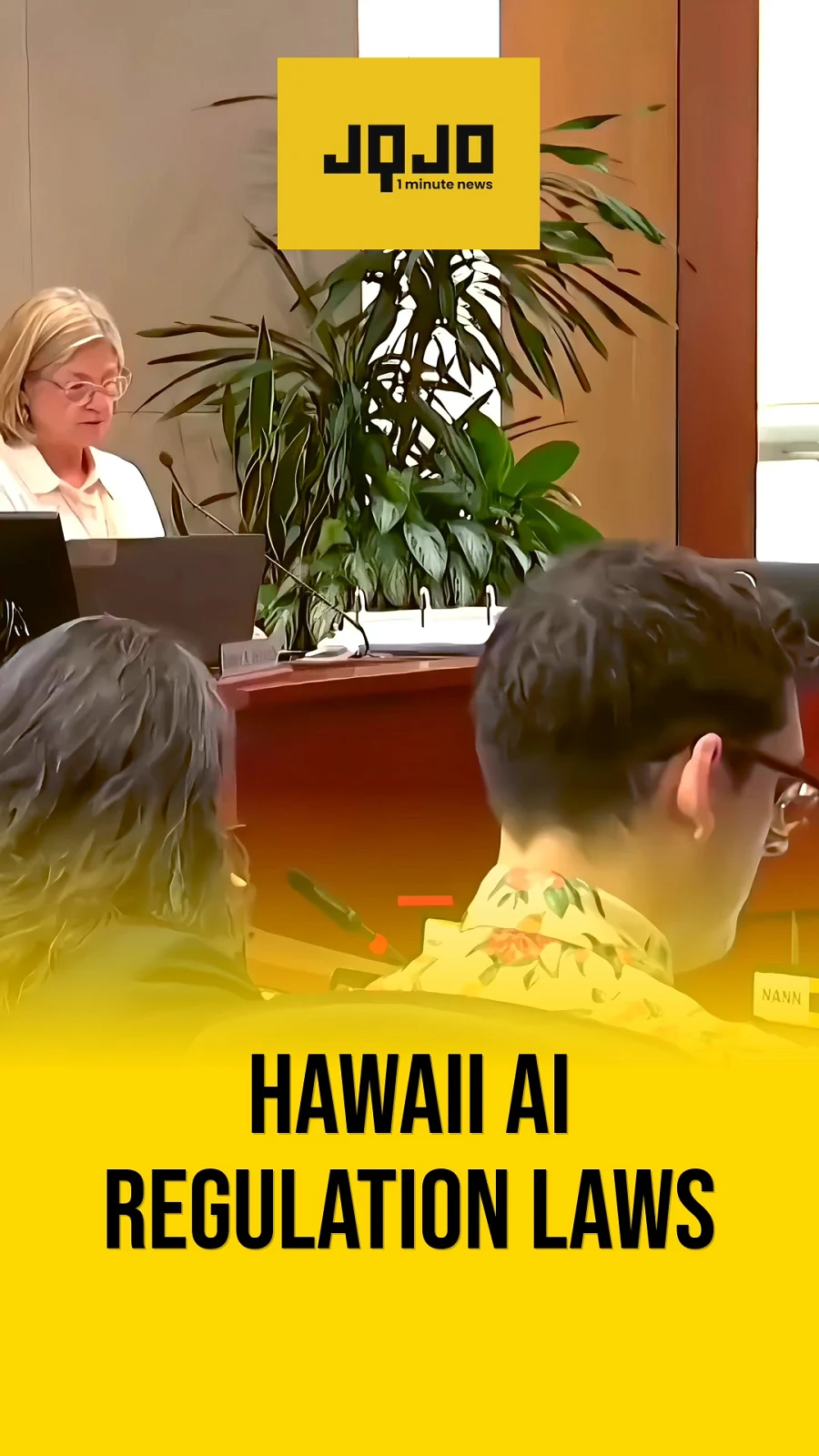
Honolulu enacts strict laws targeting deepfakes, chatbots
Tap title to read story
Hawaii Governor Josh Green has signed two laws, Acts 247 and 248, that create some of the most restrictive state-level rules on deepfakes and AI chatbots in the United States. At a ceremony in Honolulu on Tuesday, July 14, 2026, Green approved House Bill 2137 as Act 247, defining highly realistic AI-generated depictions of a person’s voice, face, likeness, or performance as “realistic digital imitations.” The law allows individuals to seek up to $25,000 in civil damages per image or recording when such media causes reputational or financial harm or facilitates fraud or harassment, and bans commercial use of AI-generated likenesses without explicit written consent.
More context
Timeline
- Early 2026 Hawaii lawmakers draft AI regulations
- Legislative session Attorney General raises First Amendment concerns
- July 2026 House Bill 2137 passes legislature
- Tuesday, July 14, 2026 Governor Green signs Acts
- Tuesday, July 14, 2026 Act 247 takes immediate effect statewide
- Tuesday, July 14, 2026 Civil remedies established for deepfake victims
- Tuesday, July 14, 2026 Commercial AI likeness use requires written consent
- After enactment State anticipates constitutional legal challenges
Why it matters
These new laws in Hawaii could set a national precedent. They protect your voice, face, and likeness from being used by AI without your consent. If you've been harmed by a deepfake, you could seek up to $25,000 in damages. Check your state's laws to see where you stand.
JQJO Editorial Desk · Human reviewed · AI assisted. Report a correction.