Marshall Islands rocket launches NASA telescope rescue
Read, Watch or Listen
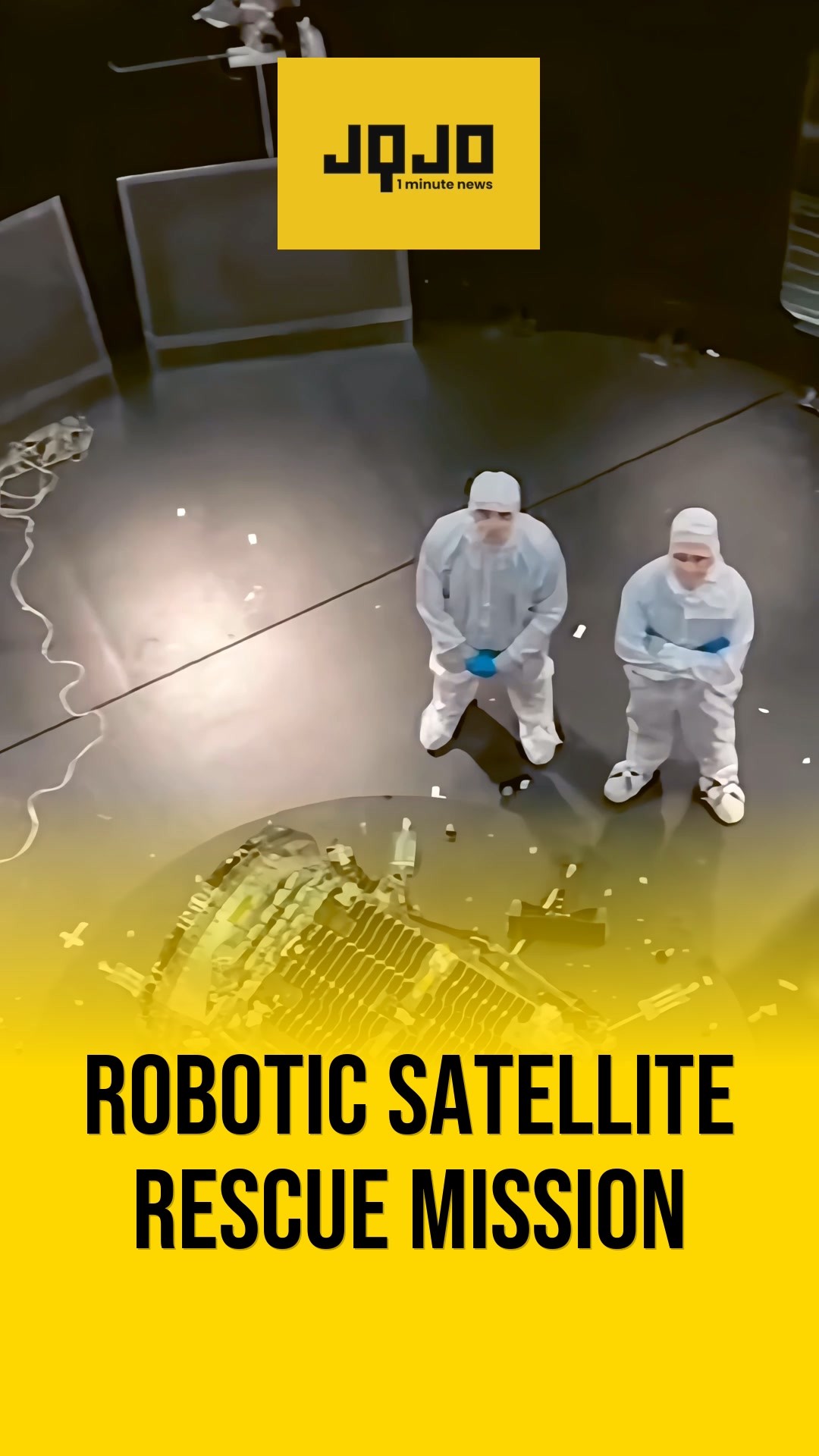
Kwajalein Atoll, Marshall Islands – NASA and Arizona-based startup Katalyst Space Technologies launched a half-ton robotic spacecraft early Thursday over the Pacific Ocean to rescue the aging Neil Gehrels Swift Observatory, a $500 million space telescope that has observed distant galaxies and black holes since 2004. The LINK spacecraft, developed under a $30 million NASA contract on an accelerated nine-month schedule, was carried aloft from a U.S. air base on the Kwajalein Atoll by a Lockheed TriStar jetliner and released at 40,000 feet at 1:36 a.m. PDT (0836 GMT) on a Northrop Grumman Pegasus rocket, following delays from weather and a brief technical issue with the launch vehicle. The spacecraft is expected to separate in low-Earth orbit and embark on a month-long journey to the vicinity of Swift, which lacks onboard propulsion and faces a high risk of reentering Earth’s atmosphere later this year. By late July, LINK is due to approach to within about 6 miles of the observatory, then spend roughly a week performing an autonomous rendezvous, using three sets of thrusters, five sensor systems and three robot arms with hand-like grippers to secure the satellite. Over the following 60 days, LINK will tow Swift to an altitude of about 373 miles, doubling its pre-rescue orbit and extending its operational life, in a first-of-its-kind U.S. orbital servicing mission closely watched for its implications for future satellite maintenance and national security in space.
Prepared by Olivia Bennett and reviewed by editorial team.
Timeline of Events
- 2004 Swift observatory begins studying distant galaxies
- Earlier this year Telescope projected to reenter atmosphere
- Past months LINK spacecraft built on accelerated schedule
- Thursday Pegasus rocket air-launched over Pacific
- Thursday 1:36 a.m. PDT rocket released from TriStar
- Thursday LINK injected into planned low-Earth orbit
- Late July LINK expected to rendezvous near Swift
- Following rendezvous LINK attempts orbit-raising rescue maneuver
Why This Matters to You
This mission could redefine satellite maintenance, potentially extending the life of space-based tech. That means better weather forecasts, GPS, and communication services for longer periods. Keep an eye on the news in late July when LINK is expected to rendezvous with Swift.
The Bottom Line
This is a first-of-its-kind U.S. orbital servicing mission. If successful, it could pave the way for future satellite rescues, boosting national security and space research. Worth forwarding if you know someone who loves following space innovations.
Coverage of Story:
From Left
No left-leaning sources found for this story.
From Right
No right-leaning sources found for this story.





Comments