Chicago agencies mobilize as extreme heat threat persists
Tap title to read story
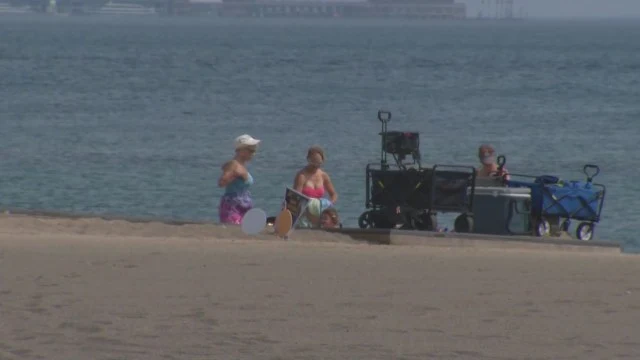
Chicago officials activated public-health measures this week after the National Weather Service issued an Extreme Heat Warning covering the entire metropolitan area through Thursday evening, and forecasts showed upper-90s temperatures with heat indices exceeding 100 degrees. On Monday and Tuesday the city listed six cooling centers and urged residents to call 311 or check on older relatives and neighbors.
Hospitals and emergency services increased monitoring Tuesday and Wednesday, with Stroger Hospital citing seniors and children as highest risk and urging vigilance; Mayor Brandon Johnson referenced the city's deadly 1995 heat wave as context. City operators will keep cooling centers open weekdays, advise staying indoors with air conditioning when possible, and note storm chances may arrive late Thursday into the holiday weekend.
Timeline
- 1. 1995: Chicago experienced a deadly heat wave with over 700 deaths, prompting policy changes.
- 2. Monday: City officials announced plans and published a list of six weekday cooling centers.
- 3. Tuesday: National Weather Service issued an Extreme Heat Warning for the entire Chicago area through Thursday evening.
- 4. Wednesday: Forecasts showed upper-90s highs and heat index values above 100; hospitals and officials reiterated precautions.
- 5. Late Thursday: Forecasts indicate storm chances that could bring heavy rainfall after the heat wave.
Sources
JQJO Editorial Desk · Human reviewed · AI assisted. Report a correction.