Switzerland hosts Vance as Iran claims Hormuz closure
Read, Watch or Listen
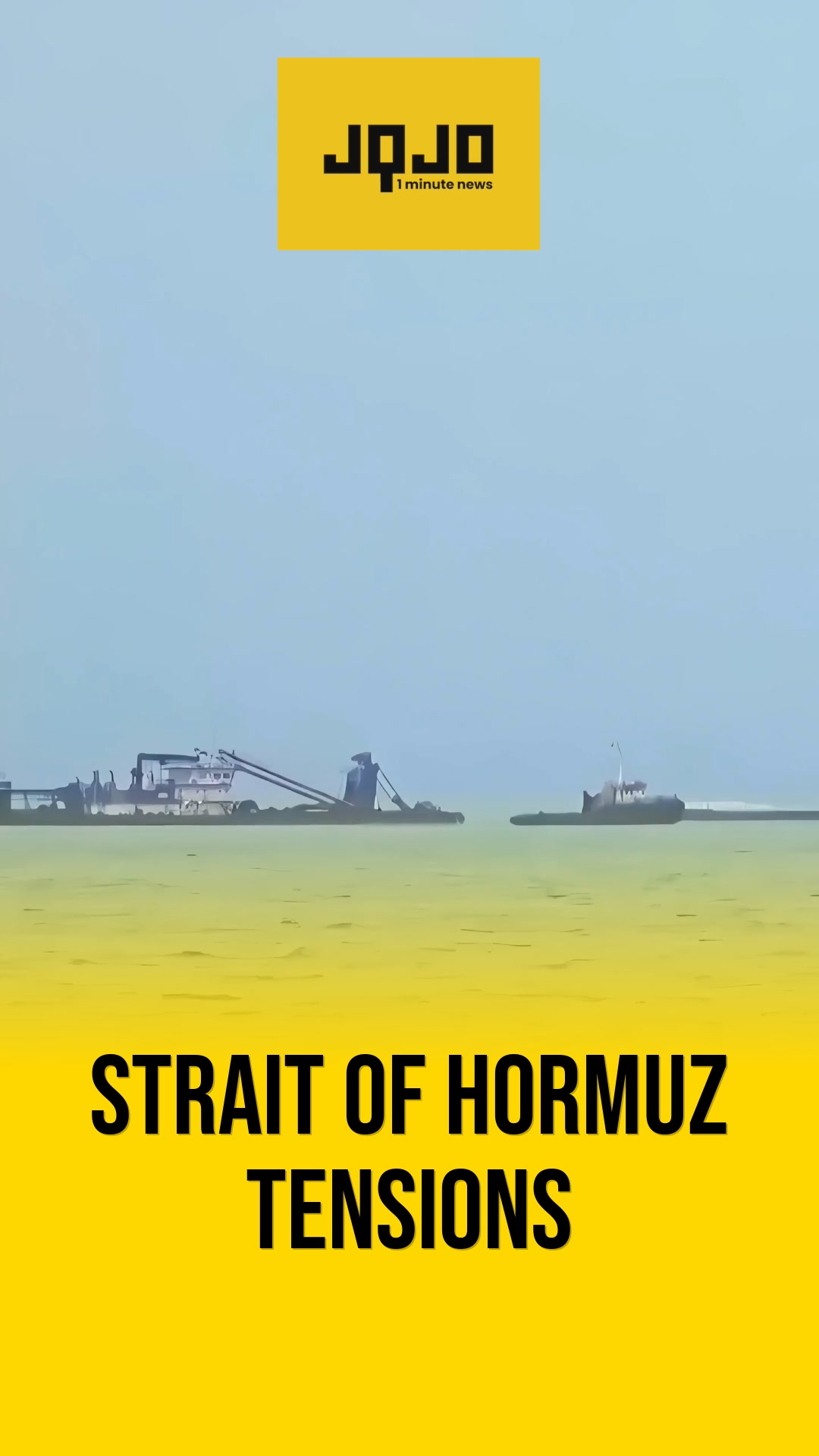
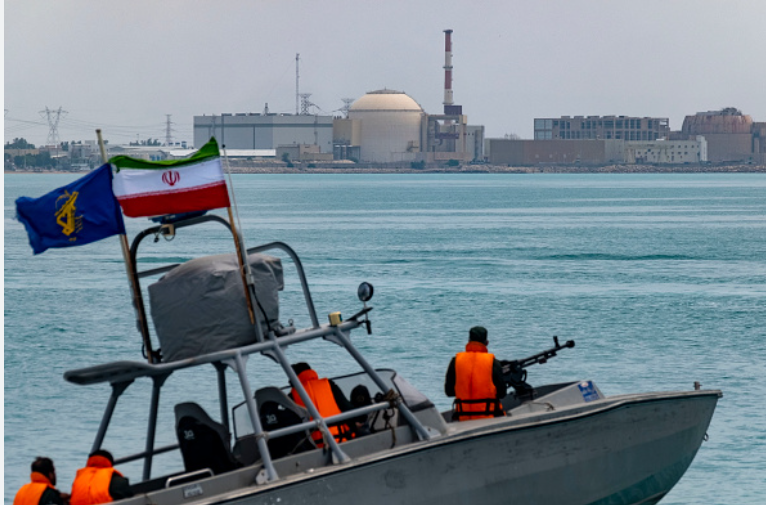
U.S. Vice President JD Vance arrived in Switzerland on Sunday, June 21, 2026, to open high-stakes talks with Iranian officials aimed at finalizing an interim agreement to end the ongoing war. His mission began amid mounting tension after Iran’s Khatam al-Anbiya Central Headquarters announced on Saturday that it had closed the Strait of Hormuz, citing alleged U.S. breaches of commitments and Israeli ceasefire violations in southern Lebanon. Iranian state media linked the move to recent Israeli airstrikes on Hezbollah targets. From Camp David, President Donald Trump warned Washington could impose U.S.-run tolls on the waterway if no final peace deal is reached within 60 days, while U.S. Central Command insisted maritime traffic remains intact and that Iran does not control the strait.
Prepared by Lauren Mitchell and reviewed by editorial team.
Timeline of Events
- Saturday, June 20, 2026 Iran announces Strait of Hormuz closure
- Saturday, June 20, 2026 Iran cites U.S. breaches, Israeli violations
- Saturday, June 20, 2026 Iranian media links move to airstrikes
- Saturday, June 20, 2026 U.S. Central Command disputes Iranian claim
- Sunday, June 21, 2026 JD Vance arrives in Switzerland
- Sunday, June 21, 2026 Talks aim to finalize interim peace
- Sunday, June 21, 2026 Trump threatens U.S.-run Strait tolls
- Recent months Conflict previously disrupted global energy shipments
News Intelligence
- The Strait of Hormuz is a vital global energy route. If Iran's closure claim is true, it could disrupt oil and gas shipments, potentially raising energy prices at home. Keep an eye on your gas and heating bills.
Coverage of Story:
From Left
No left-leaning sources found for this story.
From Right
No right-leaning sources found for this story.



Comments