Iran closes Strait of Hormuz, roiling global oil markets
Read, Watch or Listen
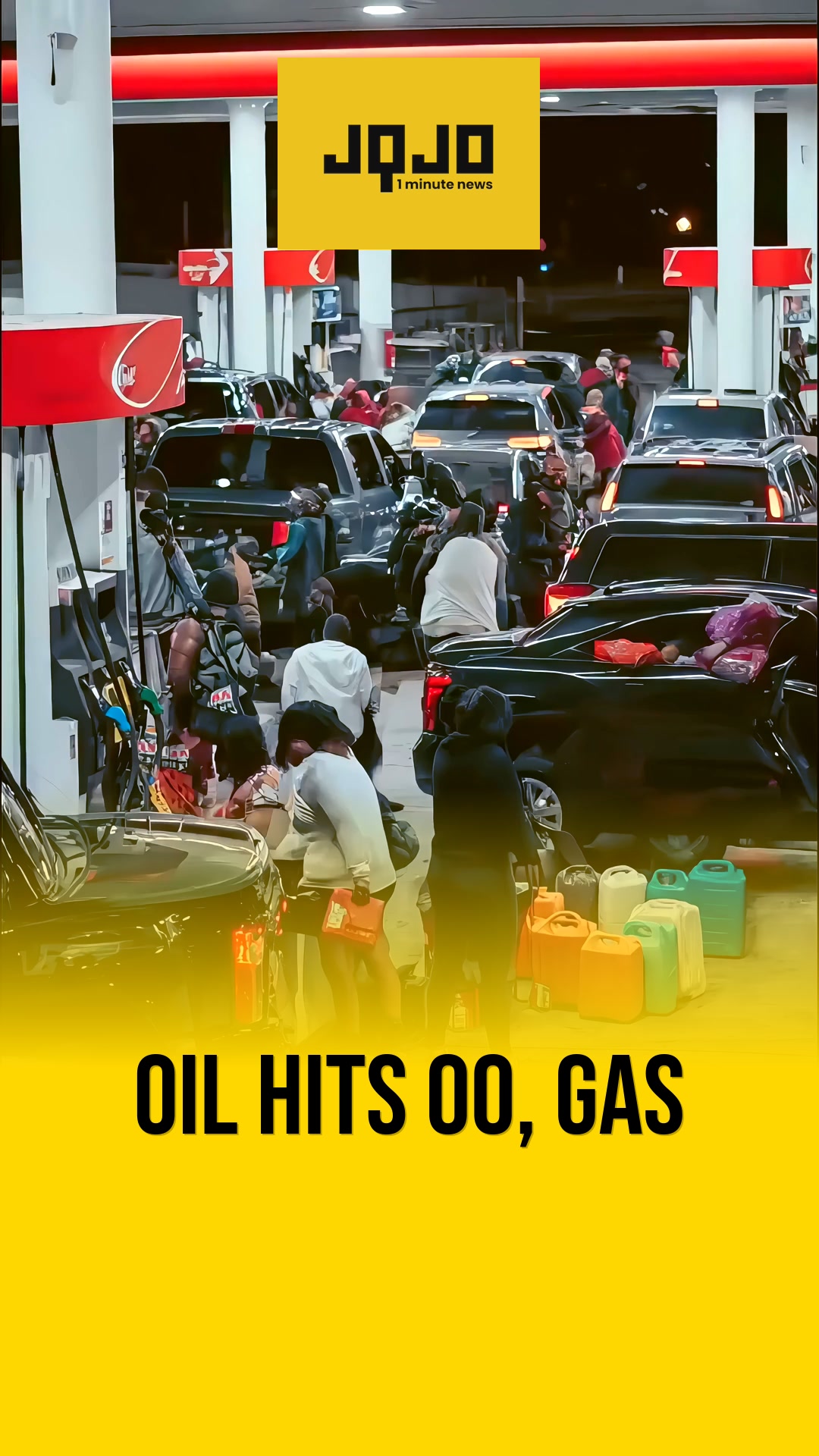
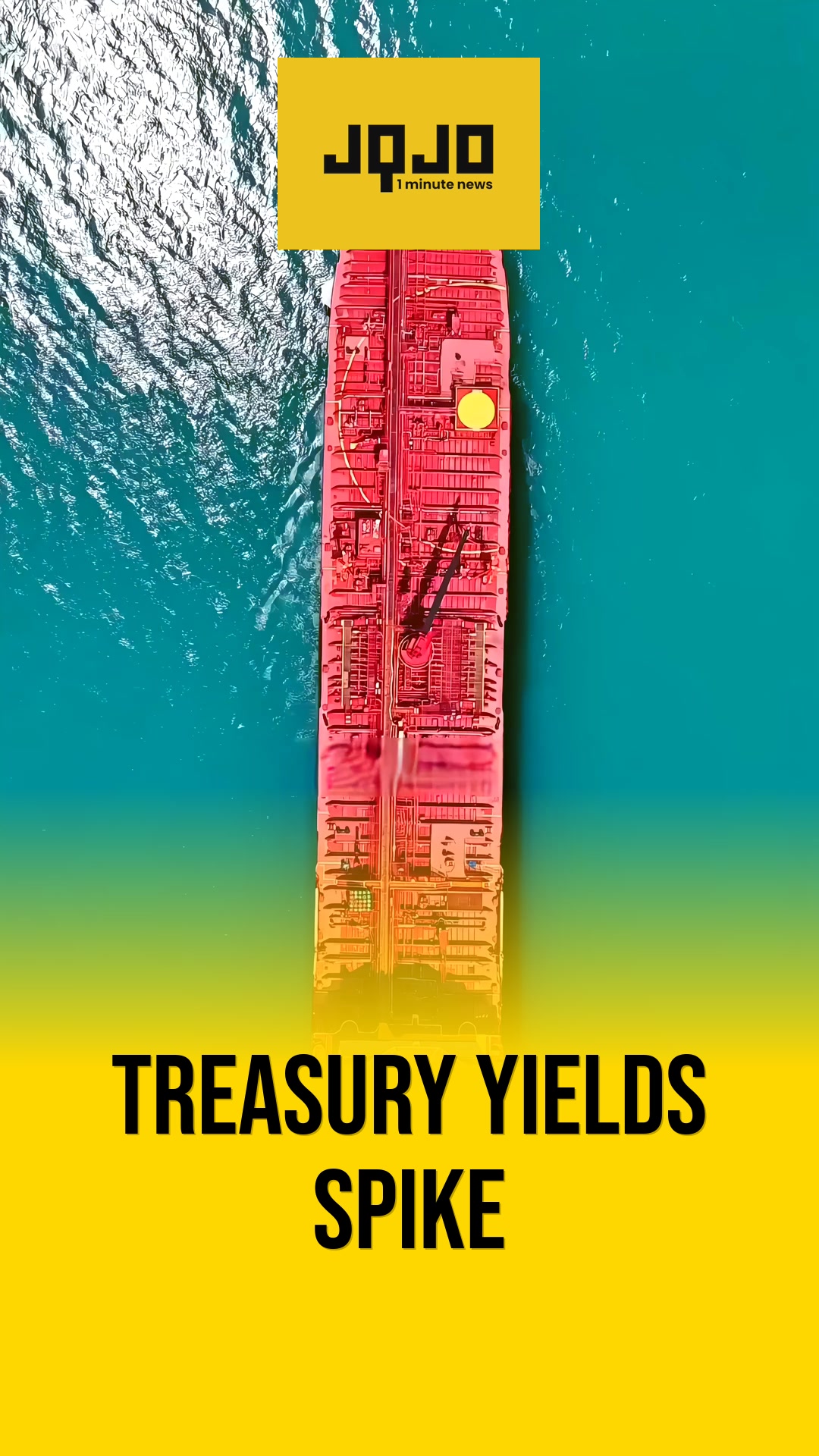
Tehran, Iran – Iran has halted commercial shipping through the Strait of Hormuz, one of the world’s most important energy chokepoints, abruptly cutting off a route that carries roughly one-fifth of global petroleum consumption. The move follows the breakdown of a memorandum of understanding between Tehran and Washington that had provided fragile stability for regional energy transit and allowed tankers to move through the narrow waterway. With the agreement suspended, tanker traffic through the strait has effectively stopped, prompting shipping conglomerates to scramble to reroute vessels around longer paths that increase transit times and operational costs while tightening available supply. Global energy markets have reacted sharply, with benchmark crude futures soaring in early trading as traders priced in the sudden loss of a key export corridor. The disruption is already feeding through to economic forecasts, as major financial institutions revise near-term expectations for higher gasoline and diesel prices, particularly in the United States, where inflation indicators are sensitive to energy costs. The closure also threatens the movement of liquefied natural gas exports, intensifying competition among European and Asian buyers for remaining seaborne cargoes. Regulators and central banks are monitoring the situation as the supply shock drives broad upward pressure on energy commodity prices.
Prepared by Christopher Adams and reviewed by editorial team.
Timeline of Events
- Earlier this year, Tehran and Washington finalize memorandum
- Recent weeks, tensions rise over energy security provisions
- Yesterday, memorandum between Tehran and Washington collapses
- Yesterday, Iran announces Strait of Hormuz closure
- Today, crude oil benchmark futures surge sharply
- Today, shippers begin rerouting tankers via longer passages
- Today, analysts raise retail fuel price forecasts
- In coming weeks, regulators monitor inflation and energy stability
News Intelligence
- The Strait of Hormuz closure affects your wallet. Expect higher gas and diesel prices, especially in the U.S. where inflation is tied to energy costs. If you use natural gas, competition for supplies could spike your bill. Check your energy budget and plan accordingly.
Coverage of Story:
From Left
No left-leaning sources found for this story.
From Right
No right-leaning sources found for this story.




Comments