Congreso Empantanado Mientras Expira Ley de Vigilancia
PUBLISHED Jun 15, 2026, 8:24 AM ET
Read, Watch or Listen
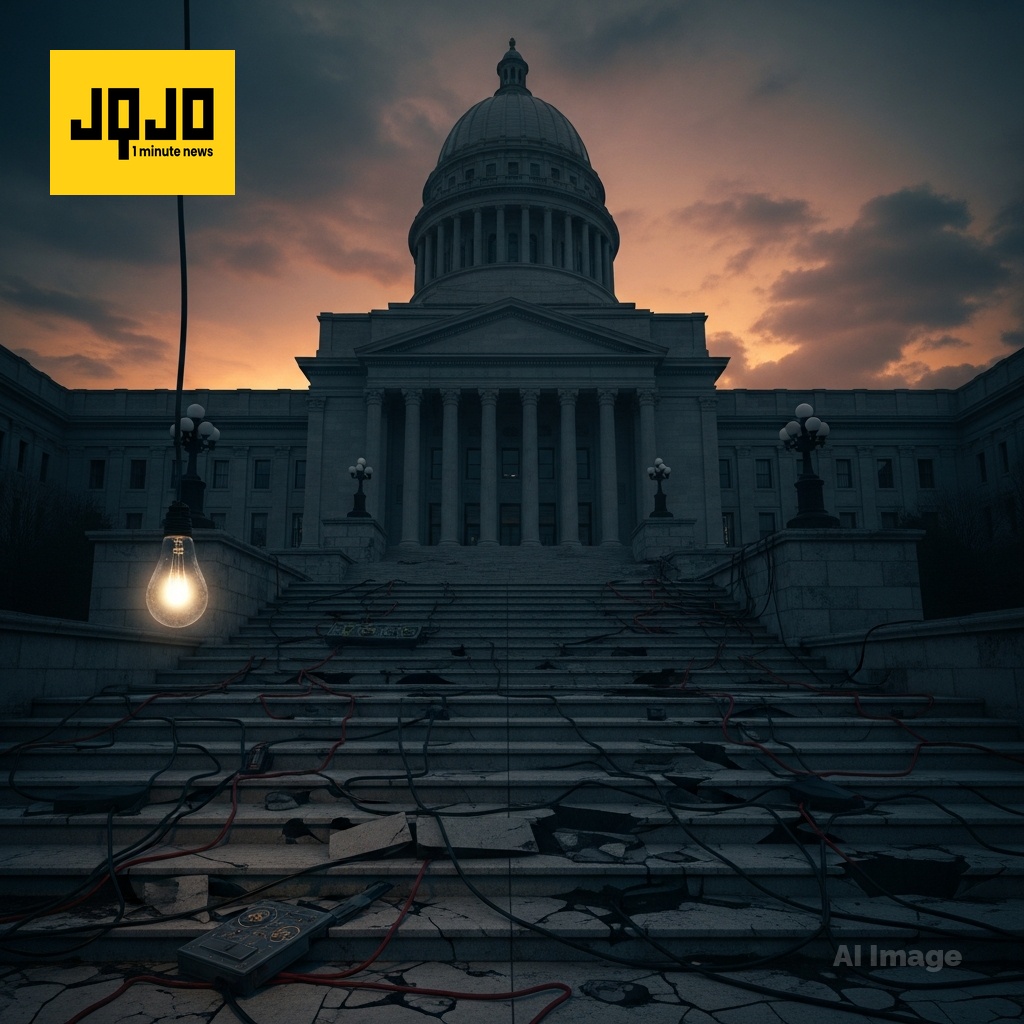
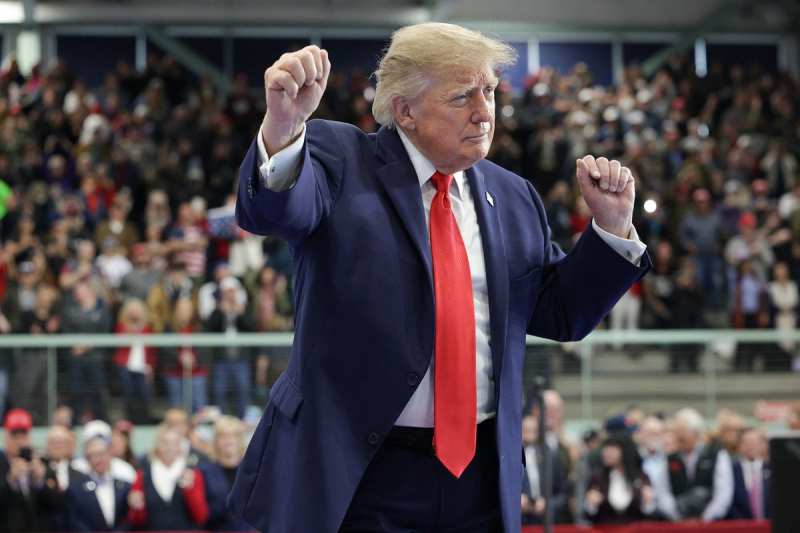
Washington, Estados Unidos – El Congreso permitió que una autoridad central de vigilancia de EE. UU. expirara después de que la Cámara de Representantes no lograra aprobar a finales de la semana pasada una prórroga a corto plazo de la Sección 702 de la Ley de Vigilancia de Inteligencia Extranjera (FISA). La medida, que permite a las agencias de inteligencia interceptar comunicaciones extranjeras sin una orden judicial, fracasó por 198-218, dejando uno de los pilares de la política de seguridad nacional estadounidense en un limbo operativo. La derrota se produjo después de que los líderes republicanos intentaran utilizar un procedimiento acelerado que requería una mayoría de dos tercios para su aprobación, pero la estrategia fracasó cuando 19 miembros republicanos rompieron filas y se unieron a un bloque demócrata unificado opuesto a la prórroga. Los demócratas en la Cámara y el Senado dijeron que su resistencia provino de la nominación del presidente Donald Trump de Bill Pulte, un importante donante republicano y actual jefe de la Agencia Federal de Financiamiento de la Vivienda, como director interino de inteligencia nacional. Argumentaron que la elección violaba el requisito legal de que el Director de Inteligencia Nacional posea una amplia experiencia en seguridad nacional y advirtieron que la administración podría usar bases de datos sensibles para apuntar a oponentes políticos. El estancamiento ha llevado a los presidentes de los comités de inteligencia y judicial del Senado a advertir al Secretario de Estado Marco Rubio sobre una posible brecha significativa en la recolección de inteligencia extranjera, incluso mientras los funcionarios debaten cómo las certificaciones existentes del Tribunal de Vigilancia de Inteligencia Extranjera y las disposiciones legales afectan la legalidad de la vigilancia en curso. La administración continúa presionando por la confirmación de Jay Clayton como director permanente, mientras que la controversia sobre el papel interino de Pulte sigue siendo el principal obstáculo para una resolución bipartidista.
By Najma A. | JQJO News
Timeline of Events
- A finales de la semana pasada, la Cámara vota sobre la extensión
- A finales de la semana pasada, el proyecto de ley fracasa por 198–218 votos
- A finales de la semana pasada, expira la autoridad de la Sección 702
- Recientemente, Trump nomina al donante Bill Pulte
- Recientemente, los demócratas se unen contra la renovación de la FISA
- Recientemente, el Partido Republicano busca la aprobación rápida de dos tercios
- Recientemente, diecinueve republicanos se oponen a la medida de extensión
- Ahora, las principales facultades de vigilancia de EE. UU. siguen sin efecto
News Intelligence
- La expiración de la Sección 702 afecta tu privacidad. Esta ley permite a las agencias de inteligencia interceptar comunicaciones extranjeras sin una orden judicial. Con su expiración, existe incertidumbre sobre cómo se maneja la vigilancia. Mantente atento a las noticias sobre este tema.





Comments