Le Congrès dans l'impasse alors que la loi de surveillance expire
PUBLISHED Jun 15, 2026, 8:24 AM ET
Read, Watch or Listen
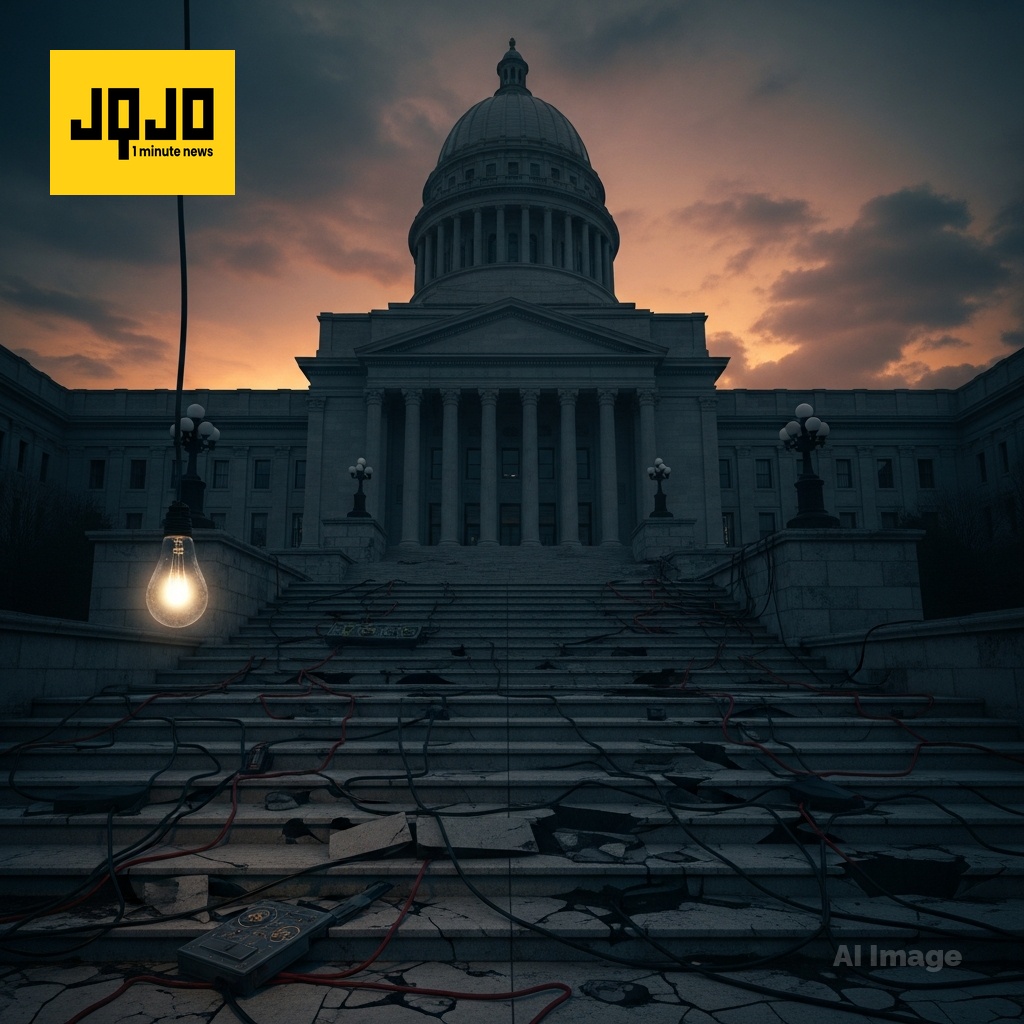
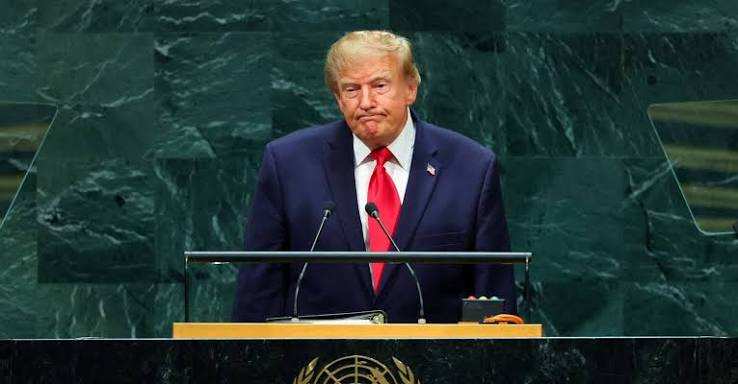
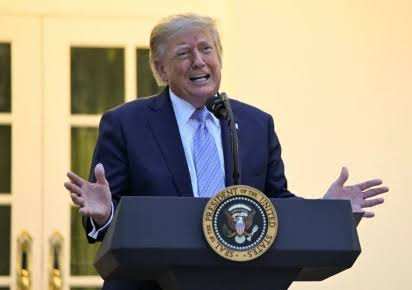
Washington, États-Unis – Le Congrès a laissé expirer une autorité centrale de surveillance américaine après que la Chambre des représentants n'ait pas réussi, en fin de semaine dernière, à adopter une prolongation à court terme de la section 702 de la loi sur la surveillance du renseignement étranger (FISA). La mesure, qui permet aux agences de renseignement d'intercepter les communications étrangères sans mandat judiciaire, a échoué par 198-218 voix, laissant l'un des piliers de la politique de sécurité nationale américaine dans un vide opérationnel. Cet échec est survenu après que les dirigeants républicains aient tenté d'utiliser une procédure accélérée qui exigeait une majorité des deux tiers pour l'adoption, mais la stratégie s'est retournée contre eux lorsque 19 membres républicains ont rompu les rangs et rejoint un bloc démocrate unifié opposé à la prolongation. Les démocrates à la Chambre et au Sénat ont déclaré que leur résistance provenait de la nomination par le président Donald Trump de Bill Pulte, un important donateur républicain et actuel chef de la Federal Housing Finance Agency, comme directeur par intérim du renseignement national. Ils ont soutenu que ce choix violait l'exigence légale que le directeur du renseignement national possède une vaste expérience en matière de sécurité nationale et ont averti que l'administration pourrait utiliser des bases de données sensibles pour cibler des opposants politiques. L'impasse a incité les présidents des commissions du renseignement et de la justice du Sénat à avertir le secrétaire d'État Marco Rubio d'une lacune potentielle significative dans la collecte du renseignement étranger, même si les responsables débattent de la manière dont les certifications existantes du tribunal de surveillance du renseignement étranger et les dispositions légales affectent la légalité de la surveillance en cours. L'administration continue de faire pression pour la confirmation de Jay Clayton comme directeur permanent, tandis que la controverse sur le rôle par intérim de Pulte reste le principal obstacle à une résolution bipartite.
By Najma A. | JQJO News
Timeline of Events
- La semaine dernière, la Chambre vote sur une prolongation
- La semaine dernière, le projet de loi est rejeté par 198 voix contre 218
- La semaine dernière, l'autorité de la section 702 expire
- Récemment, Trump nomme le donateur Bill Pulte
- Récemment, les démocrates s'unissent contre le renouvellement de la FISA
- Récemment, les Républicains cherchent une approbation accélérée aux deux tiers
- Récemment, dix-neuf Républicains s'opposent à la mesure de prolongation
- Maintenant, des pouvoirs clés de surveillance des États-Unis restent en suspens
News Intelligence
- L'expiration de la Section 702 affecte votre vie privée. Cette loi permet aux agences de renseignement d'intercepter les communications étrangères sans mandat judiciaire. Avec son expiration, il y a une incertitude quant à la manière dont la surveillance est gérée. Gardez un œil sur les nouvelles concernant cette question.





Comments