Aguas Residuales de la Industria Textil Halladas Altamente Tóxicas
PUBLISHED Jun 1, 2026, 1:59 PM ET
Read, Watch or Listen
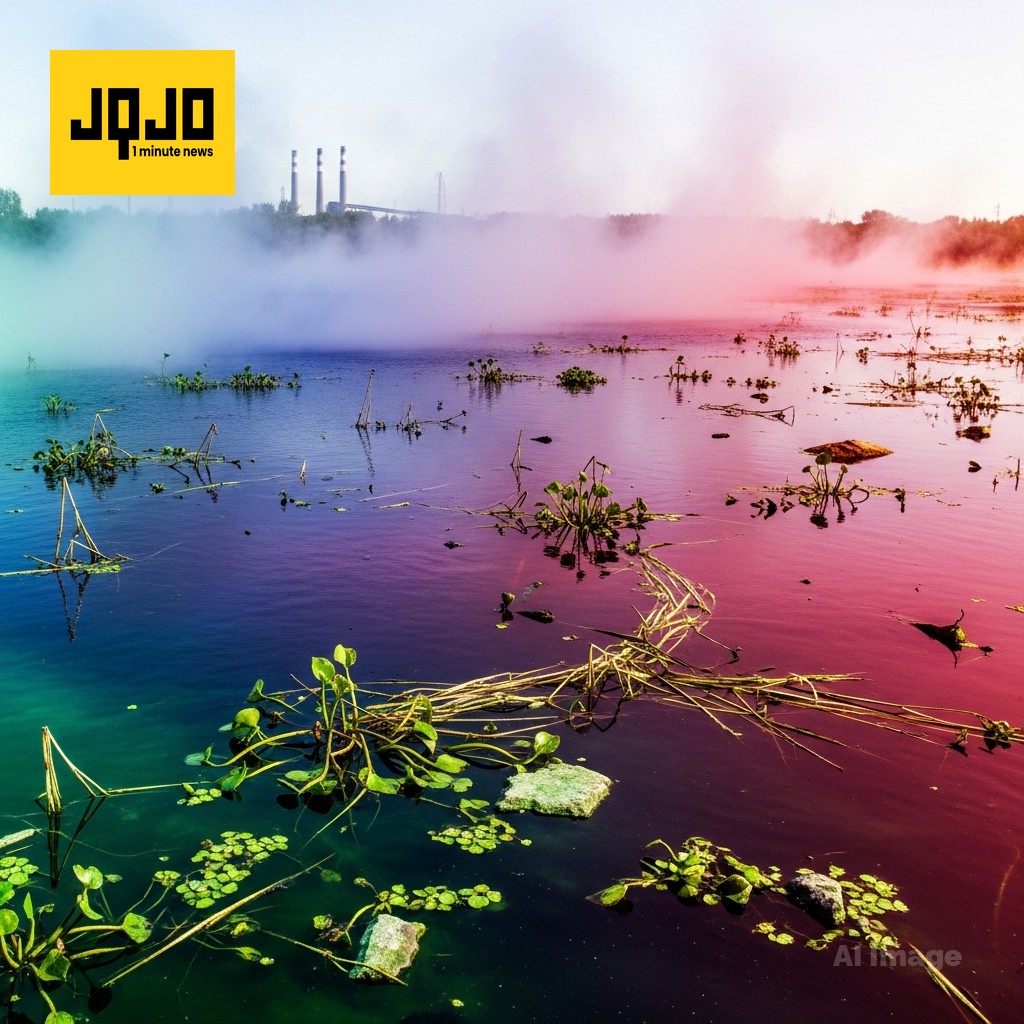
Investigadores de la Universidad de Massachusetts Amherst informan que el tratamiento electroquímico de aguas residuales de la industria textil puede generar niveles peligrosos de subproductos tóxicos. En un estudio publicado hoy, el equipo descubrió que el tratamiento de tintes azoicos comunes con electrodos electroquímicos en presencia de cloruro, a menudo añadido como sal de mesa para mejorar la conductividad, producía cloroformo y bromoformo a cientos de partes por mil millones. Estas concentraciones alcanzaron aproximadamente tres veces el límite permitido para la exposición humana en agua potable o duchas, y, cuando el bromo estaba presente en los tintes, más de diez veces el límite regulatorio de trihalometanos de la EPA de EE. UU. Los autores recomiendan sales alternativas, como el sulfato de sodio, a pesar de su menor eficiencia.
By Sarah Whitman | JQJO News
Timeline of Events
- Hoy Estudio publicado por investigadores de UMass Amherst
- Hoy se evalúa el proceso de tratamiento de tintes electroquímicos
- Hoy se detectan cloroformo y bromoformo en altas concentraciones
- Hoy los niveles superan los límites de exposición del agua potable
- Hoy los trihalometanos superan los umbrales regulatorios de la EPA
- Hoy el tratamiento de aguas residuales textiles impacta los ecosistemas acuáticos río abajo
- Hoy los investigadores proponen sulfato de sodio como alternativa
- Hoy se observan preocupaciones sobre la eficiencia de la industria para la alternativa
News Intelligence
- Tu ropa podría estar contribuyendo a la contaminación del agua. La industria textil a menudo utiliza tintes azoicos, que pueden crear subproductos tóxicos cuando se tratan. Estas toxinas pueden terminar en nuestra agua potable y duchas. Sé un consumidor informado: verifica si tus marcas favoritas están comprometidas con prácticas sostenibles.





Comments