La marine américaine frappe un navire dans le blocus d'Ormuz
PUBLISHED May 31, 2026, 10:14 AM ET
Read, Watch or Listen

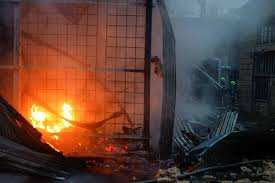
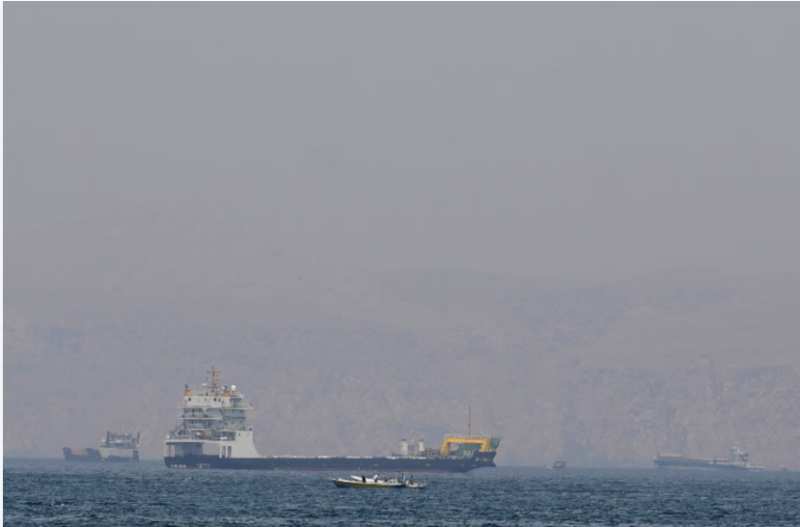
La marine américaine a frappé un navire commercial qui, selon les responsables, tentait de forcer un blocus naval imposé par les États-Unis dans le détroit d'Ormuz, une voie de transit essentielle pour les expéditions mondiales de pétrole. L'opération, décrite comme faisant partie d'un effort plus large de l'administration Trump visant à imposer un blocus total à l'Iran, a immédiatement déstabilisé les marchés de l'énergie, alimentant une forte volatilité des contrats à terme sur le pétrole brut. Les analystes avertissent que des perturbations prolongées des transports maritimes pourraient augmenter les coûts d'assurance, ralentir les livraisons de produits énergétiques aux États-Unis et exercer une pression inflationniste sur les industries à forte intensité énergétique. La diplomatie dans la région reste tendue, et le risque d'une nouvelle escalade est une préoccupation centrale pour les gouvernements et les investisseurs.
By Mahnoor A. | JQJO News
Timeline of Events
- Récemment, les États-Unis annoncent un blocus naval complet
- Récemment, le blocus cible les revenus des exportations de pétrole iranien
- Récemment, un navire commercial tente de forcer le blocus
- Aujourd'hui, la marine américaine frappe un navire soupçonné de violer le blocus
- Aujourd'hui, les contrats à terme sur le pétrole connaissent une forte volatilité des prix
- Aujourd'hui, les primes d'assurance maritime commencent à augmenter à l'échelle mondiale
- Aujourd'hui, les gouvernements surveillent les risques d'escalade régionale
- Dans les semaines à venir, les investisseurs évaluent les pressions inflationnistes sur l'énergie
News Intelligence
- Ce blocus naval dans le détroit d'Ormuz pourrait affecter votre portefeuille. Si les perturbations de transport maritime se poursuivent, les coûts de l'énergie pourraient augmenter. Cela signifie des prix plus élevés à la pompe et potentiellement des factures de services publics plus élevées. Gardez un œil sur vos dépenses énergétiques.





Comments