United States bond rout drives Wall Street sell-off
Tap title to read story
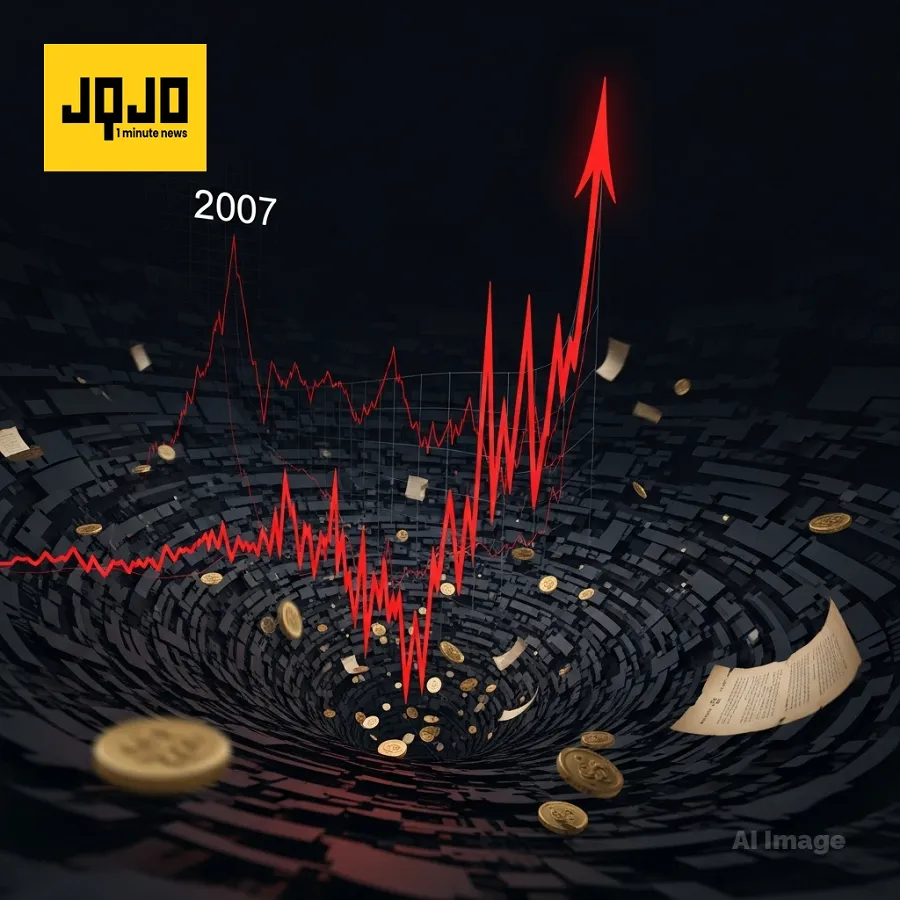
New York — United States financial markets reversed sharply on Friday, May 15, 2026, as a global bond sell-off and surging crude oil prices pushed long-term borrowing costs to their highest levels in years and knocked major equity indexes off record highs. The 30-year U.S. Treasury yield jumped 11 basis points to 5.125%, after breaking above the key 5% mark to reach its highest reading since June 2007, before the global financial crisis. The benchmark 10-year Treasury yield climbed 14 basis points to 4.599%, capping a 24 basis point rise over the week and tightening financial conditions for households and companies by lifting rates on mortgages, auto loans and corporate credit. The sell-off in U.S. bonds unfolded alongside a broad rise in global yields, with the United Kingdom’s 30-year gilt yield hitting its highest level since 1998 and Japan’s 30-year government bond yield reaching a record high after data showed a sharp pickup in producer prices.
Equity markets pulled back from historic highs as investors reacted to the spike in borrowing costs and higher energy prices. By mid-to-late afternoon trading, the S&P 500 was down 1.08% at 7,437.42, the tech-heavy Nasdaq Composite fell 1.36% to 26,341.76, and the Dow Jones Industrial Average lost 0.98% to 49,647.96. The small-cap Russell 2000, whose constituents are typically more sensitive to financing costs, dropped 2.00%, the steepest decline among major benchmarks. In commodities, West Texas Intermediate crude for July delivery rose $3.14 to $100.06 a barrel, while Brent crude climbed above $107, extending a price surge driven by the disruption of oil shipments through the Strait of Hormuz since late February. The jump in yields and energy prices rippled across other asset classes, sending gold, silver and leading cryptocurrencies lower and pushing the CBOE Volatility Index up more than 7% to 18.50, signaling a marked increase in investor anxiety.
More context
Timeline
- June 2007 30-year Treasury peaks pre-crisis
- Previous session Major Wall Street record highs
- This week 10-year yield jumps twenty-four basis points
- Friday morning Global bond selling pressures intensify
- Friday afternoon 10-year yield hits 4.599 percent
- Friday afternoon 30-year yield tops 5.125 percent
- Friday afternoon S&P 500 declines just over one percent
- Friday afternoon Russell 2000 drops two full percent
Why it matters
Rising bond yields mean higher borrowing costs. Your mortgage, auto loan, or business credit could get pricier. Energy costs are also up, so expect to pay more at the pump. Check your budget and adjust if needed.
JQJO Editorial Desk · Human reviewed · AI assisted. Report a correction.