United States jury deliberates Musk-Altman OpenAI dispute
PUBLISHED May 15, 2026, 9:19 AM ET
Read, Watch or Listen
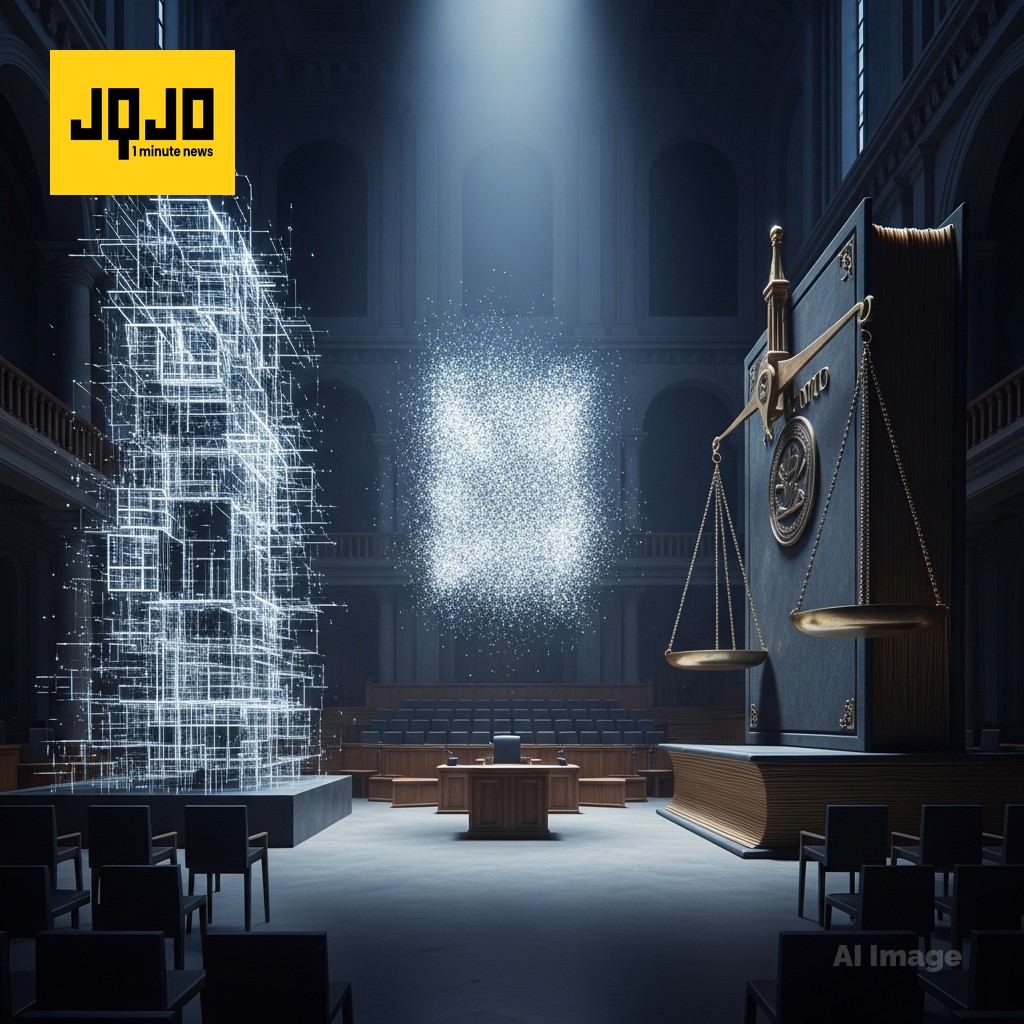
Washington, United States – In a closely watched federal court case over the future of OpenAI, legal teams representing Elon Musk and Sam Altman delivered their closing arguments in a high‑stakes showdown. Musk’s attorneys argued that OpenAI’s transition from a purely non‑profit research lab to a for‑profit structure breached fiduciary duties owed to its original mission and donors, and they cast doubt on Altman’s trustworthiness in overseeing that shift. They told jurors that, in Musk’s view, the move toward a commercial model marked a departure from the organization’s founding commitment to develop artificial intelligence for the benefit of the public, rather than for private gain. OpenAI’s defense team countered that Musk’s financial contributions came without formal restrictions and that he was fully aware of, and at times supported, the idea of adopting a for‑profit framework to secure large‑scale funding needed for advanced AI research. They argued that the company acted within its legal rights in changing its structure and that its leaders continued to prioritize OpenAI’s stated mission, despite the shift in corporate form. After both sides presented their final arguments, the judge instructed the jury on the legal standards at issue, and the panel is now expected to begin deliberating on the claims and defenses raised in the case.
By Faro B. | JQJO News
Timeline of Events
- Earlier this year, Musk files lawsuit challenging OpenAI governance shift
- Earlier this year, court accepts fiduciary duty claims
- Recent weeks, parties conduct federal court discovery
- Last week, witnesses testify on OpenAI restructuring decisions
- Yesterday, lawyers present evidence summaries to jury
- Today, both sides deliver final closing arguments
- Today, judge instructs jury on legal standards
- Soon, jury begins deliberations on OpenAI case
News Intelligence
- The OpenAI dispute could shape the future of AI research. If Musk wins, it might push other AI organizations to stay non-profit. If OpenAI wins, more could turn for-profit for funding. It's a big deal for anyone interested in AI's role in society.
Coverage of Story:
From Left
No left-leaning sources found for this story.
From Right
No right-leaning sources found for this story.




Comments