Trump-Xi Summit Elevates Taiwan Policy and Arms Questions
Tap title to read story
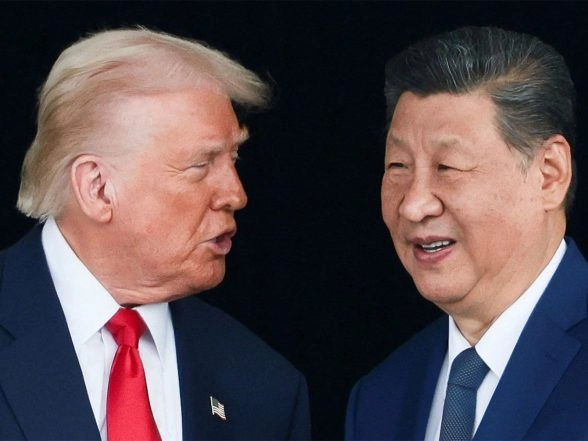
Washington. Senior U.S. officials told reporters on May 11 that there is no change in U.S. policy toward Taiwan as President Donald Trump prepared to meet Chinese President Xi Jinping; the public remarks accompanied reporting that Trump authorized an $11 billion arms package in December that has not yet been delivered.
This week’s summit and related discussions have immediate consequences: the administration’s statements aim to reassure allies even as the delayed delivery of the December arms authorization, Trump’s discussions with Xi about the sale, and his use of trade and semiconductor leverage raise questions about delivery timelines, defense planning in Taipei, and next steps for U.S.-China relations.
More context
Timeline
- 1. December: President Trump authorizes an $11 billion arms package for Taiwan.
- 2. First year of the administration: U.S. approves more arms sales to Taiwan than previous four years combined.
- 3. Prior to summit: Trump discusses arms sale, semiconductors, and energy with Xi during lead-up talks.
- 4. May 11: Senior U.S. officials publicly assert there is no change in U.S. Taiwan policy.
- 5. This week: Trump and Xi meet for a summit where Taiwan and related economic issues are discussed.
Why it matters
The U.S.-China summit affects your wallet. It's about trade, jobs, and the cost of goods. The arms deal with Taiwan could impact these areas. Watch for news on trade agreements and tariffs. They can shift prices at your local store.
Sources
JQJO Editorial Desk · Human reviewed · AI assisted. Report a correction.