Trump Rejects Iran Offer as US Strikes Increase Tensions
Tap title to read story
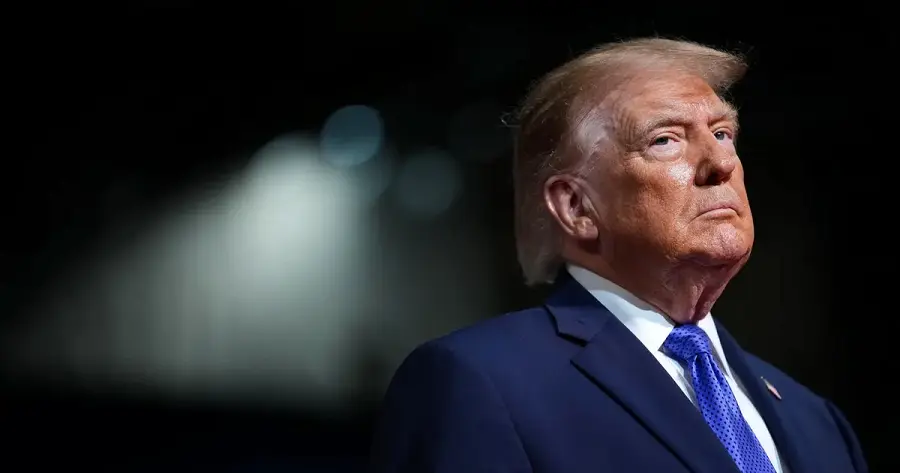
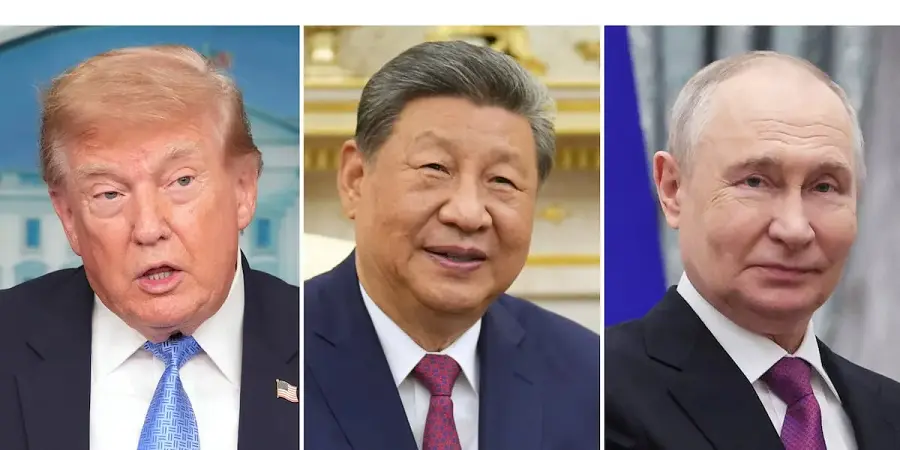
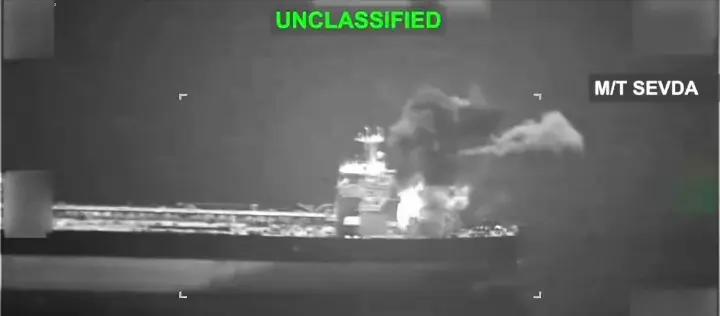
Washington — President Donald Trump rejected Iran’s written response to a US peace proposal on May 11, while US forces this week reported neutralising two Iranian oil tankers in the Strait of Hormuz. The developments follow hostilities that began on February 28 and continued maritime disruptions that have constrained shipping and pressured global fuel markets.
This week, Pakistan confirmed it had received Tehran’s reply via mediators and Iranian state outlets said the response sought cessation of hostilities and reopening of the strait. On Friday, US military statements noted strikes and disabled tankers, and leaders including Netanyahu and US senators signalled continued scrutiny and potential further action in coming days.
More context
Timeline
- 1. Feb 28: Hostilities began and the Strait of Hormuz saw initial disruptions.
- 2. 2–8 weeks after: Maritime incidents and trade disruptions raised oil prices and led to a US blockade of Iranian ports.
- 3. Early May: The United States proposed a peace framework to end regional hostilities and restore navigation.
- 4. May 11 (reported): Iran transmitted its response via Pakistani mediators; mediators confirmed receipt but declined details.
- 5. This week (reported May 11): US forces reported neutralising two Iranian tankers; President Trump publicly rejected Tehran's response.
Why it matters
This situation affects your wallet. The Strait of Hormuz is a major oil route. Disruptions there can raise global fuel prices. If tensions continue, you might see higher prices at the pump. Keep an eye on your local gas prices.
Sources
JQJO Editorial Desk · Human reviewed · AI assisted. Report a correction.