ECONOMY
كابوس أسعار الوقود: "المتنقلون الخارقون" في الولايات المتحدة يدفعون 1600 دولار شهريًا وسط صدمة الوقود بسبب الحرب الإيرانية
PUBLISHED May 10, 2026, 7:29 AM ET
Read, Watch or Listen
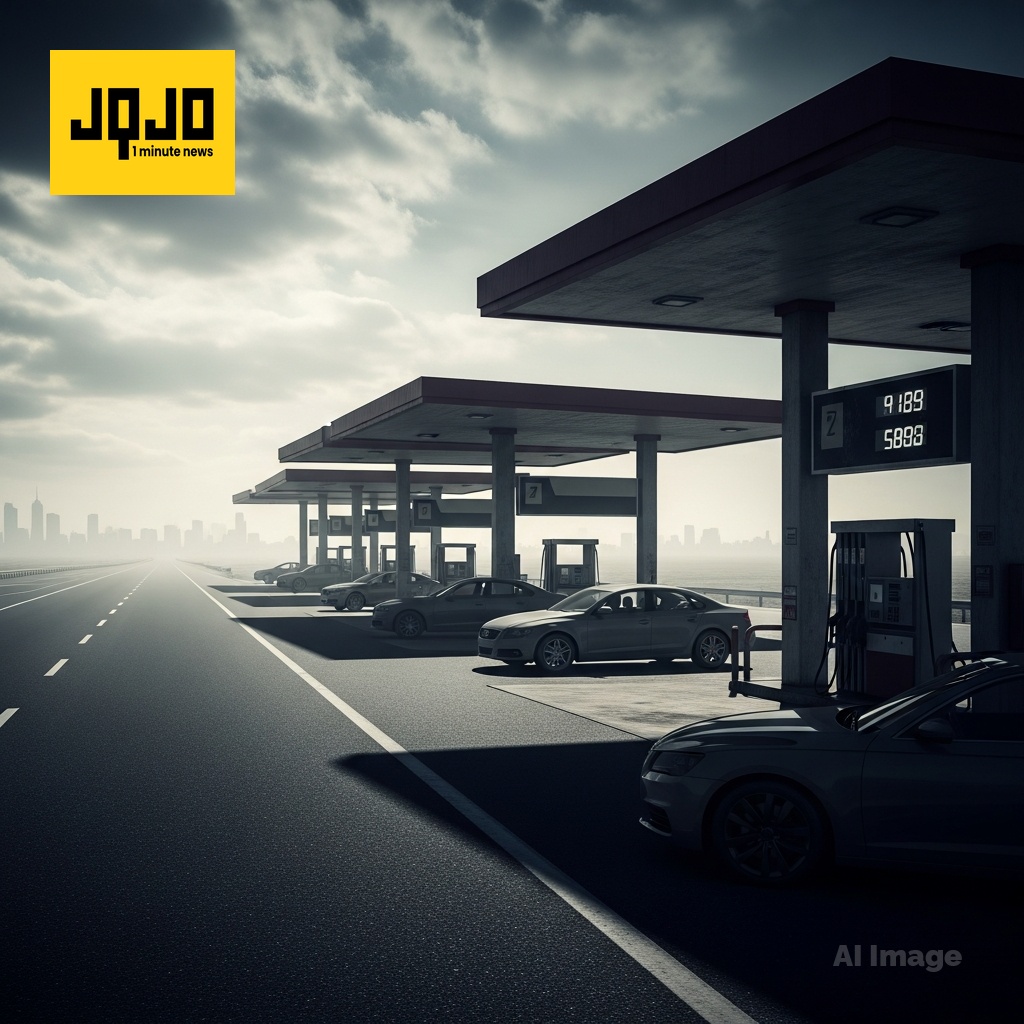
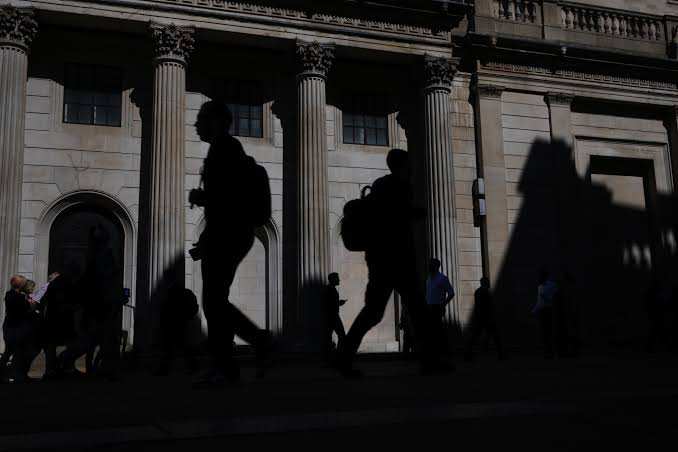
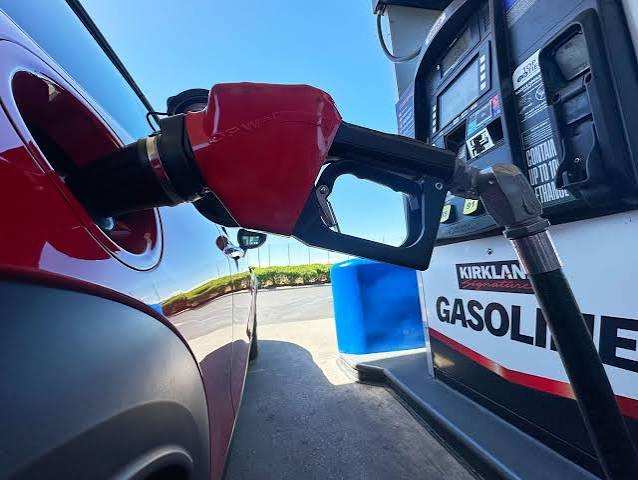
ارتفعت أسعار البنزين في الولايات المتحدة بشكل حاد منذ أواخر فبراير، مما وضع ضغطًا ماليًا كبيرًا على السائقين الذين لديهم تنقلات طويلة أو وظائف تعتمد على القيادة. ارتفع متوسط سعر البنزين العادي من 2.98 دولار للجالون في 28 فبراير، عندما بدأت الحرب الإيرانية، إلى 4.56 دولار للجالون بحلول 7 مايو، بزيادة 53٪، وفقًا لـ AAA. أفاد باحثون في جامعة ستانفورد و INRIX أنه في أكبر 10 مدن أمريكية، زاد عدد "المتنقلين الخارقين" الذين يسافرون أكثر من 75 ميلًا بنسبة 32٪ منذ الوباء. في حين أن العمل الهجين والعمل عن بعد يقدمان بعض الراحة، لا يزال حوالي 63٪ من الأمريكيين يعملون في الموقع بالكامل، مما يحد من مرونتهم في تقليل نفقات الوقود.
By Mahnoor A. | JQJO News
Timeline of Events
- الجائحة تدفع العمل عن بعد إلى الارتفاع
- حصة العمل من المنزل تبدأ في الانخفاض
- عودة المكاتب تقلل انتشار العمل عن بعد
- العمل عن بعد يزيد بنسبة 32%
- متوسط سعر الغاز 2.98 دولارًا في جميع أنحاء البلاد
- أيام العمل من المنزل عند 24.7%
- ترتفع أيام العمل عن بعد إلى 26.9%
- متوسط أسعار البنزين 4.56 دولارًا في جميع أنحاء البلاد
News Intelligence
- إذا كنت واحدًا من العديد من الأمريكيين الذين لا يزالون يسافرون إلى العمل، فإن ارتفاع أسعار الوقود هذا يؤثر بشدة على محفظتك. خاصة إذا كانت مسافة تنقلك تزيد عن 75 ميلًا. إنها فترة صعبة أيضًا لأولئك الذين يعملون في وظائف تعتمد على القيادة. تحقق مما إذا كان صاحب العمل يقدم بدل سفر أو فكر في مشاركة السيارة.


Comments