EE. UU. concluye 'Furia Épica' contra Irán, cambia a 'Proyecto Libertad' para reabrir Estrecho de Ormuz
PUBLISHED May 5, 2026, 5:49 PM ET
Read, Watch or Listen
Washington — El martes, el Secretario de Estado de EE. UU., Marco Rubio, dijo que Estados Unidos había concluido la fase de Furia Épica de su campaña militar contra Irán y anunció un cambio a 'Proyecto Libertad' destinado a reabrir el Estrecho de Ormuz y guiar buques comerciales a través de la vía fluvial. Esta semana, Rubio y funcionarios estadounidenses dijeron que las operaciones navales priorizarán el escolta de barcos y la restauración del tránsito después de semanas de interrupciones; el Comando Central de EE. UU. informó que solo dos buques mercantes de bandera estadounidense transitaron en comparación con aproximadamente 130 por día antes del conflicto, y la administración notificó al Congreso después del umbral de tiempo de los Poderes de Guerra.
By Najma A. | JQJO News
Timeline of Events
- 28 de febrero — Se informa que ha comenzado una campaña militar a gran escala de EE. UU. contra Irán.
- Principios de mayo — La administración de EE. UU. alcanzó el umbral de 60 días de Poderes de Guerra e informó al Congreso.
- 5 de mayo — El Secretario de Estado Marco Rubio dijo que Epic Fury ha terminado.
- 6 de mayo — Rubio anunció el Proyecto Freedom para reabrir el Estrecho de Ormuz y guiar buques.
- Esta semana — El Comando Central de EE. UU. informó de tránsitos limitados de buques; escoltas navales facilitaron algunos pasos.
News Intelligence
- El Estrecho de Ormuz es una ruta petrolera mundial clave. Las interrupciones pueden disparar los precios de la gasolina. Si el Proyecto Libertad tiene éxito, espere precios estables o más bajos en la bomba. Mantenga un ojo en su gasolinera local.
- Articles Published:
- 11
- Right Leaning:
- 1
- Left Leaning:
- 1
- Neutral:
- 9
- Distribution:
- Left 9%, Center 82%, Right 9%
La postura estratégica de EE. UU. y las empresas de transporte marítimo internacionales se beneficiarán de la reapertura del tránsito por Ormuz y la restauración de los flujos comerciales.
La economía de Irán y su influencia regional se vieron afectadas por las sanciones, las restricciones marítimas y la pérdida de ingresos del transporte marítimo.
Coverage of Story:
From Left
Cuatro conclusiones de Rubio: EE. UU. pasa de la fase de guerra con Irán a la de tránsito por Ormuz
english.news.cnFrom Center
EE. UU. concluye 'Furia Épica' contra Irán, cambia a 'Proyecto Libertad' para reabrir Estrecho de Ormuz
Al-Monitor BERNAMA Daily Pakistan Global INDToday United News of India NEO TV | Voice of Pakistan S A N A S A N A The Assam Tribune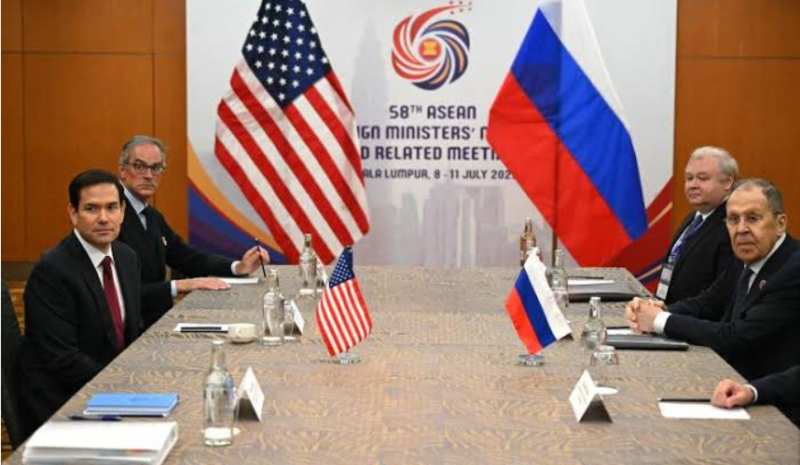

Comments