Iran Proposal Rejected, Negotiations Stall Amid Fragile Ceasefire
Tap title to read story
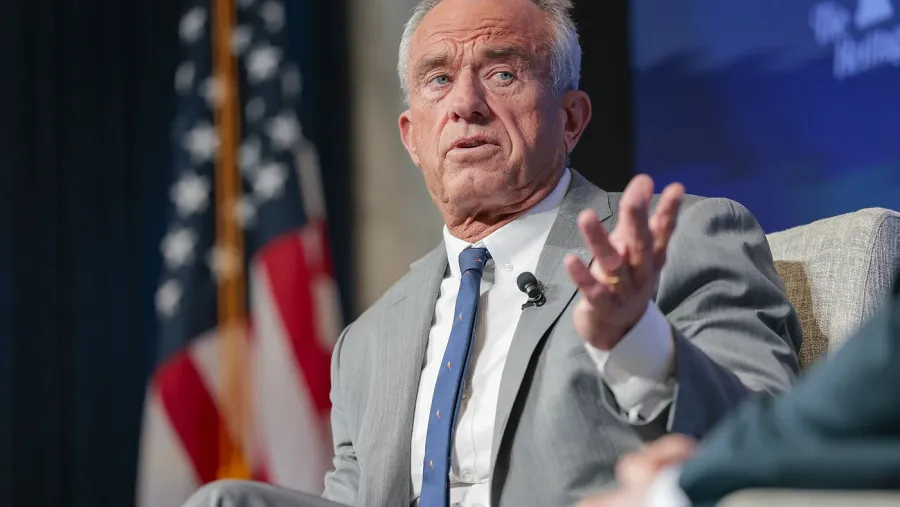
Washington — President Donald Trump on Friday rejected a fresh negotiating proposal from Iran that Pakistan delivered to U.S. interlocutors on Thursday night, saying Tehran's demands were unacceptable and that he was "not satisfied" with the draft. Trump also told lawmakers the war against Iran has "terminated" as a 60-day legal deadline passed and noted there had been no exchange of fire since April 7. He said military action remains among options while a continuing ceasefire holds.
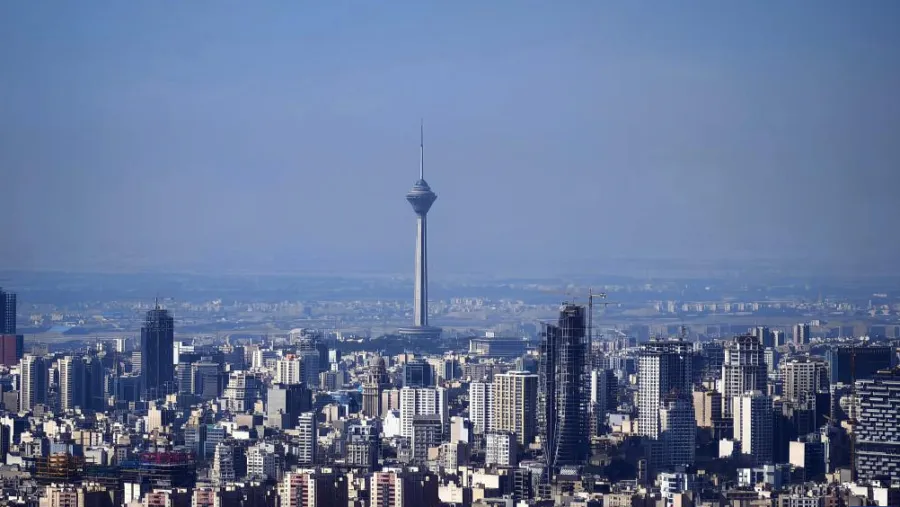
Tehran — Iran's official IRNA news agency said the proposal was delivered to Pakistan on Thursday as part of mediation efforts aimed at ending the conflict involving the United States and Israel. Foreign Ministry spokesman Esmaeil Baghaei said ending the war and securing lasting peace are Tehran's priorities. A CNN investigation found Iran and allied forces damaged at least 16 U.S. military sites across eight Middle Eastern countries, and the British Royal Navy reported daily shipping through the Strait of Hormuz has fallen by more than 90 percent, disrupting regional navigation and aid routes. Russia said it reaffirmed support for mediation and stands ready to back political and diplomatic efforts after talks between its foreign minister and Iran's envoy.
More context
Timeline
- 1. 28 February: Joint US and Israeli strikes began the conflict referenced in reporting.
- 2. 8 April: A ceasefire paused direct hostilities between the parties.
- 3. Early May (Thursday): Iran transmitted a draft negotiating proposal to Pakistan as mediator.
- 4. Early May (Friday): President Trump publicly rejected Iran's proposal and signaled military options remain.
- 5. Early May: CNN and other reports cited damage to at least 16 US military sites and noted Iran's control of the Strait of Hormuz.
Why it matters
This conflict affects your safety. Iran's control of the Strait of Hormuz disrupts shipping routes, potentially impacting global trade and oil prices. Check your gas and grocery prices. If they rise, this could be why.
Sources
JQJO Editorial Desk · Human reviewed · AI assisted. Report a correction.