Deadlines Loom as GOP Defers to White House
Tap title to read story
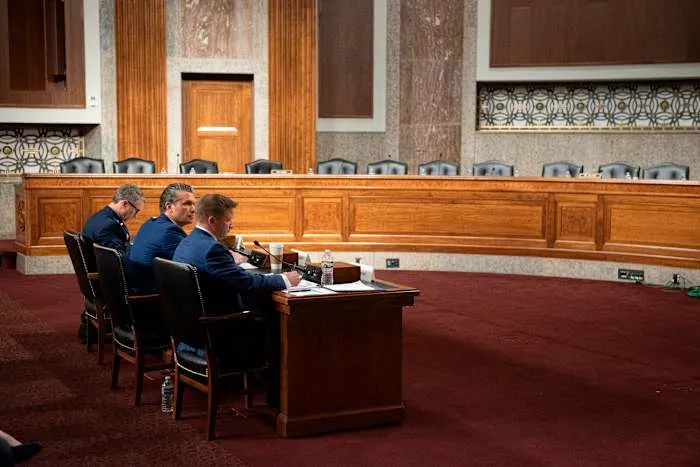
Washington — Republican congressional leaders declined to press for a vote authorizing force as the 60-day War Powers deadline arrived on May 1, allowing the White House to continue military operations without formal congressional approval. The administration argues a ceasefire that began in early April suspends the statutory countdown required by the 1973 law.
On May 1 Senate leaders had already left town after rejecting Democratic motions to halt the conflict, and Senate Majority Leader John Thune said he would not schedule an authorization vote. House Speaker Mike Johnson stated "We are not at war," while Iran's UN envoy responded to a joint letter from six Arab states, accusing them of facilitating strikes and defending Iran's actions as self-defense.
More context
Timeline
- 1. Early April: A ceasefire began, which the administration says paused the War Powers timeline.
- 2. Late April: Senate rejected a Democratic attempt to halt the conflict for a sixth time.
- 3. Late April: Republican leadership declined to schedule an authorization vote and Congress left town.
- 4. May 1: The 60-day War Powers deadline passed with no congressional authorization.
- 5. May 1: Iran's UN envoy publicly denied accusations and alleged Arab complicity in a formal response.
Why it matters
This situation could impact global stability, affecting your safety. It also tests the balance of power between Congress and the White House. Keep an eye on news updates and discuss with your family.
Sources
JQJO Editorial Desk · Human reviewed · AI assisted. Report a correction.