Supreme Court to Rule on Geofence Warrant Privacy
Tap title to read story
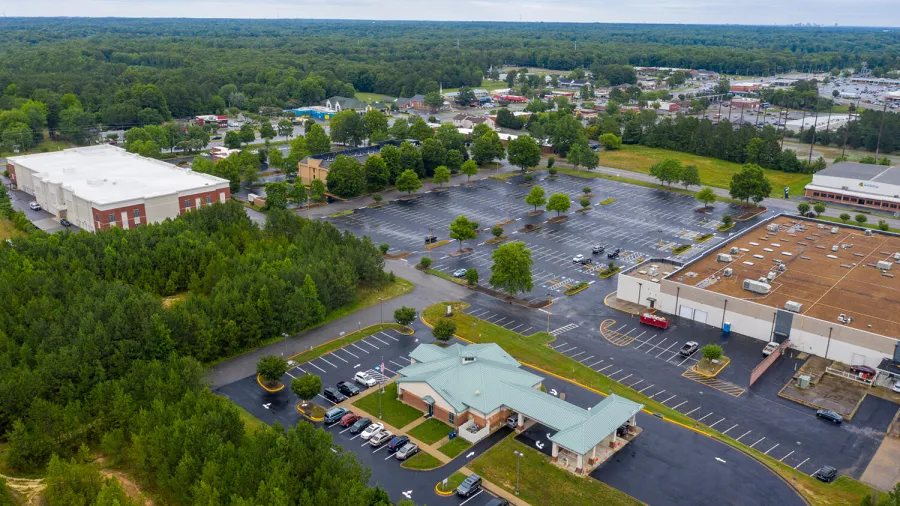
WASHINGTON — The Supreme Court will hear arguments this Monday over whether geofence warrants used to identify a suspect in a Virginia bank robbery violate the Fourth Amendment. Investigators used a geofence warrant served on Google after a May 2019 robbery in suburban Richmond to place Okello Chatrie’s cellphone near the scene, then obtained a search warrant.
The geofence data led to a home search that produced nearly $100,000 in cash; Chatrie pleaded guilty and was sentenced to nearly 12 years, and his appeal argues the geofence warrant was an unreasonable search. This case is being argued alongside a separate Bayer Roundup appeal, and the Court’s decision will shape standards for location-data warrants and evidentiary use.
More context
Timeline
- 1. 1791: Fourth Amendment ratified establishing protection against unreasonable searches.
- 2. 2019 (May): A bank in suburban Richmond, Virginia, is robbed; roughly $195,000 reported stolen.
- 3. Investigators obtain a geofence warrant served on Google and identify a device linked to Okello Chatrie.
- 4. Police secure a search warrant for Chatrie's home, recover nearly $100,000 in cash, and Chatrie pleads guilty and is sentenced to nearly 12 years.
- 5. This week (Monday): The U.S. Supreme Court will hear arguments on whether geofence warrants violate the Fourth Amendment.
Why it matters
Your privacy is at stake. If the Supreme Court rules that geofence warrants are legal, your location data could be used in criminal investigations. Check your phone's location settings. Understand what data you're sharing and with whom.
Sources
JQJO Editorial Desk · Human reviewed · AI assisted. Report a correction.