US begins blockade of Iranian ports after talks collapse
Read, Watch or Listen
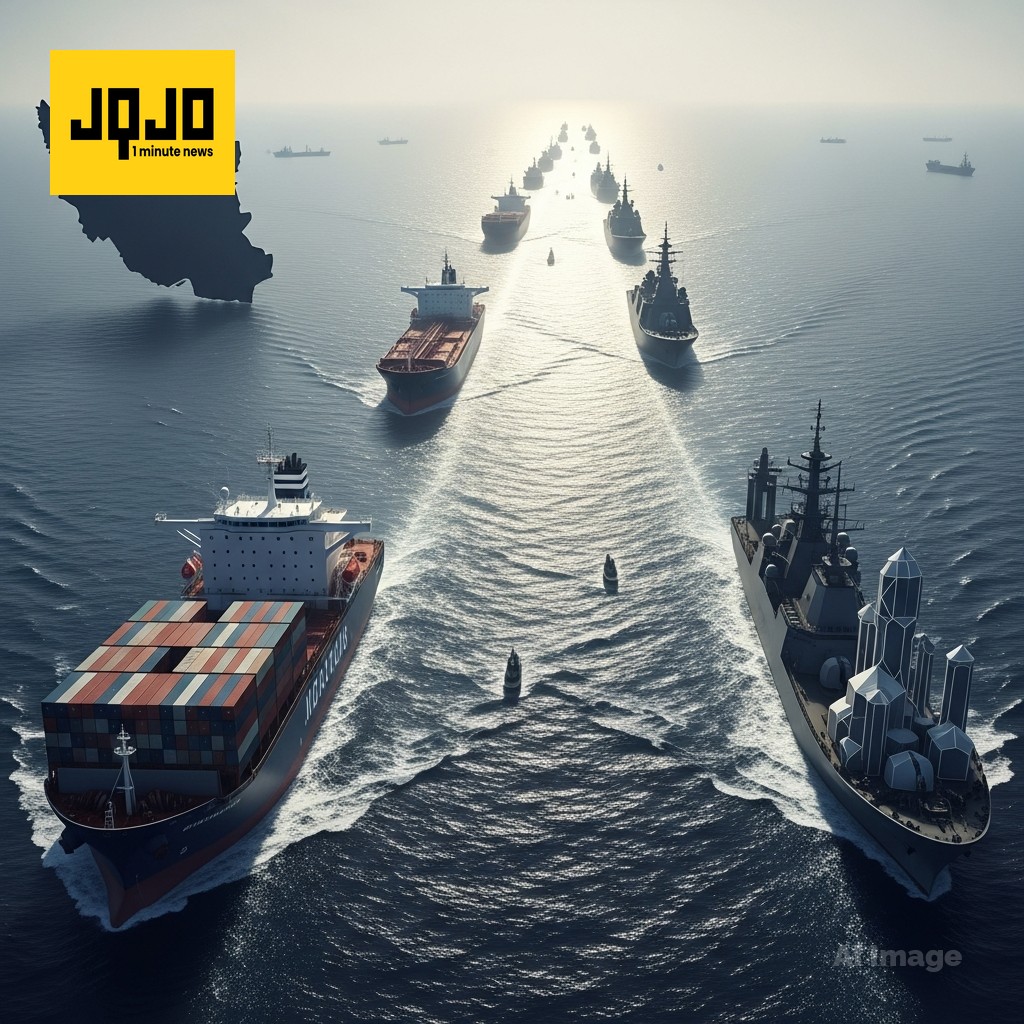
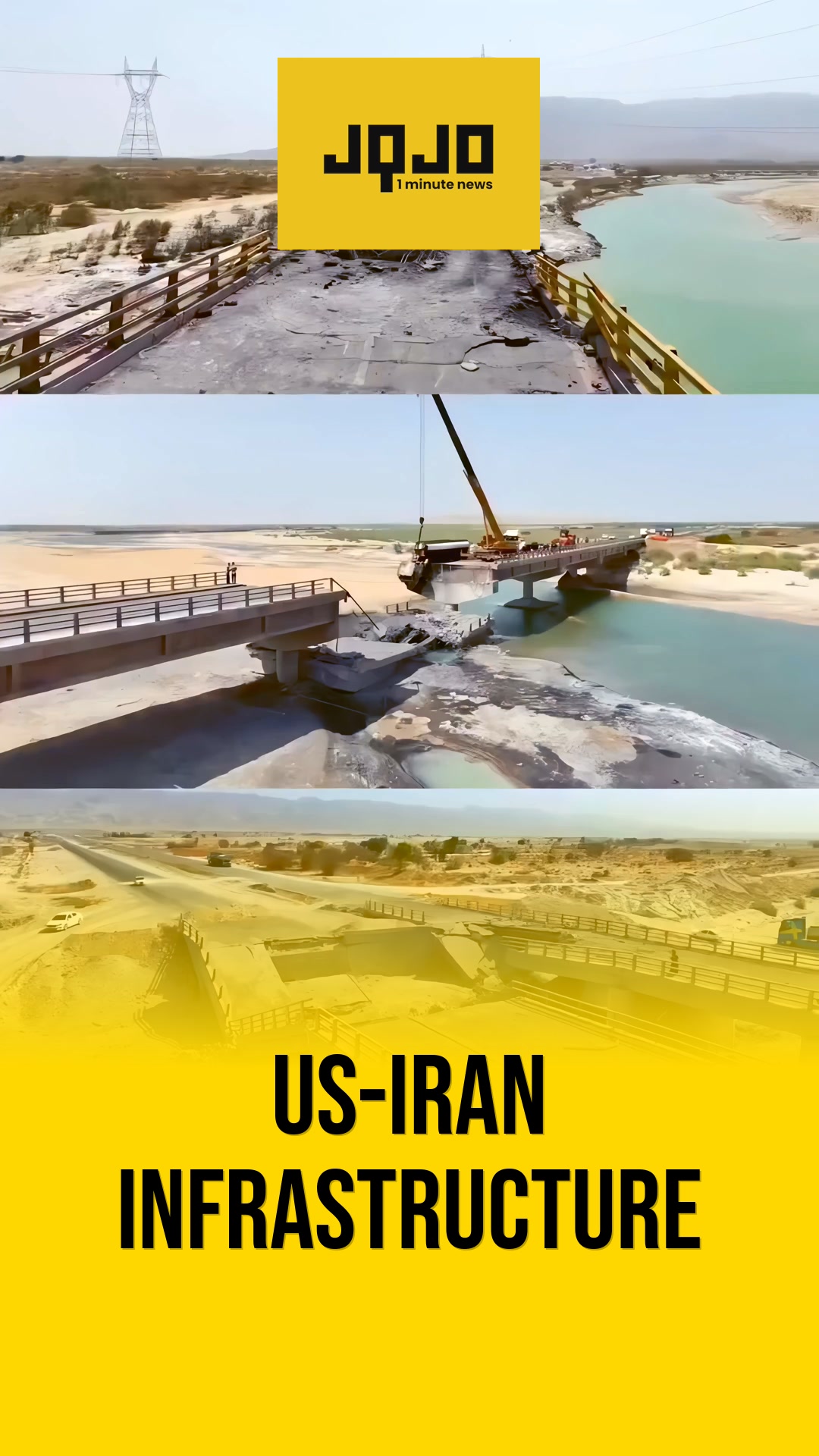
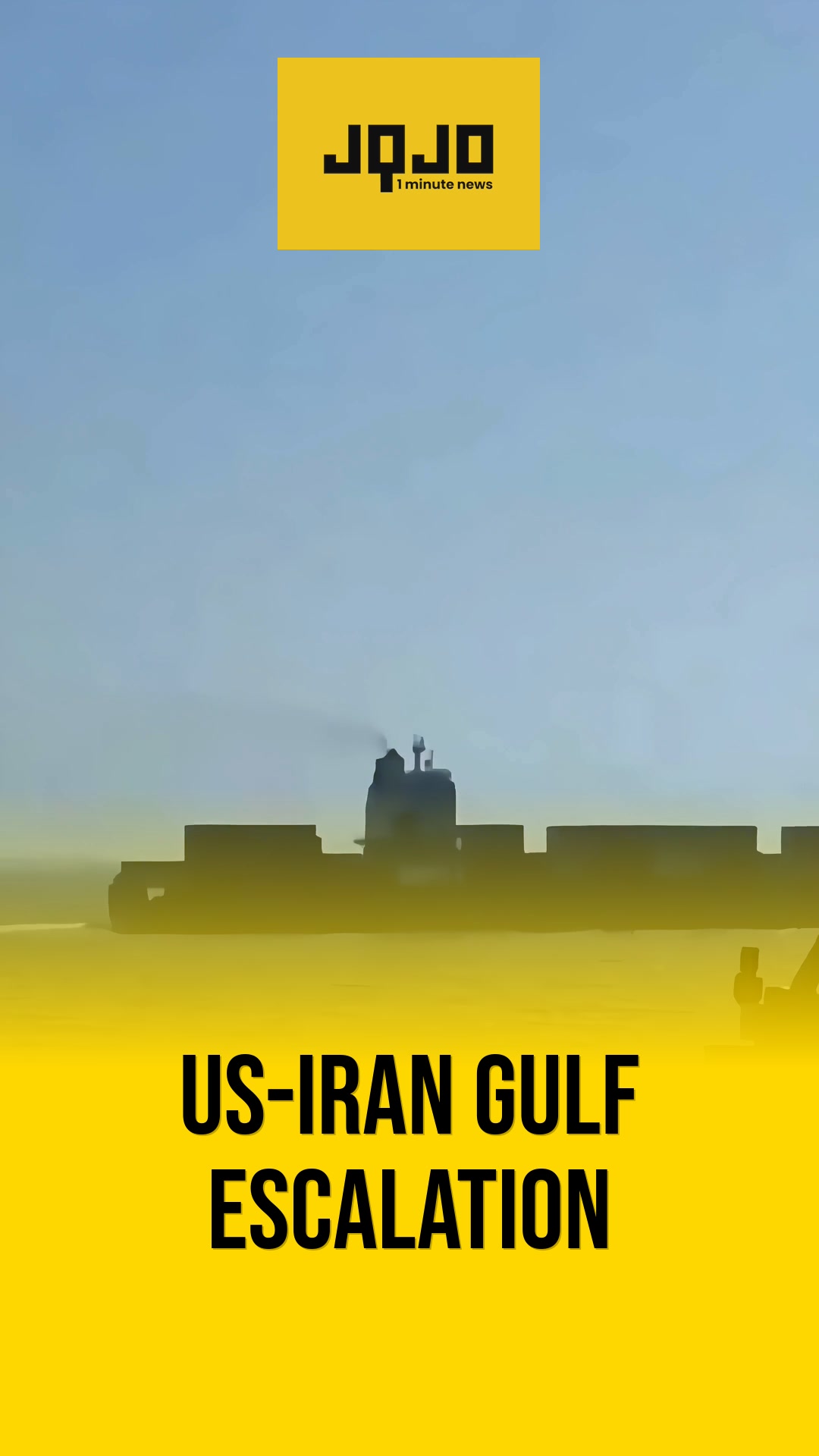
Washington — The U.S. Central Command announced it will begin a blockade of all maritime traffic entering and exiting Iranian ports and coastal areas on Monday at 10 a.m. ET, citing the President's proclamation and stating the action will be enforced impartially against vessels of all nations while not impeding non-Iranian transits through the Strait of Hormuz. New Delhi and other outlets reported Iran's Parliament Speaker Baqer Qalibaf and Navy commander Rear Admiral Shahram Irani dismissed the blockade as 'ridiculous and laughable' this week; Islamabad talks over the weekend failed to reach a deal and the Revolutionary Guards warned they control Hormuz, while CENTCOM said further instructions for mariners will be issued.
Prepared by Rachel Morgan and reviewed by editorial team.
Aggregated From:
Timeline of Events
- A ceasefire began on a Tuesday aiming to pause six weeks of fighting that had killed thousands.
- Weekend Islamabad talks occurred Saturday into early Sunday but failed to produce a settlement.
- On April 12-13, media reported the U.S. Central Command would begin a blockade at 10 a.m. ET on Monday.
- CENTCOM stated the blockade would be enforced impartially and would not impede non-Iranian transits via the Strait of Hormuz.
- Iranian officials publicly dismissed the blockade and Revolutionary Guards warned they control traffic through the Strait of Hormuz.
News Intelligence
- This blockade could impact global oil prices and, in turn, your wallet. Gas prices might rise if tensions escalate. Keep an eye on your local gas station's prices. If you're planning a road trip, consider budgeting for potential increases.
- Articles Published:
- 9
- Right Leaning:
- 0
- Left Leaning:
- 0
- Neutral:
- 9
- Distribution:
- Left 0%, Center 100%, Right 0%
U.S. military and diplomatic strategy benefits from asserting maritime control and applying pressure during stalled negotiations and negotiations breakdown.
Commercial mariners, regional economies and Iranian civilians risk disrupted shipping, energy supply interruptions and economic harms from the blockade and heightened tensions.
Coverage of Story:
From Left
No left-leaning sources found for this story.
From Center
US begins blockade of Iranian ports after talks collapse
United News of India The Straits Times eNCAnews United News of India DNP INDIA NEO TV | Voice of Pakistan ODISHA BYTES KAYHAN LIFE Emirates24|7From Right
No right-leaning sources found for this story.


Comments