Trump Deadline Triggers Strikes as Iran Refuses Terms
PUBLISHED Apr 7, 2026, 1:02 AM ET
Read, Watch or Listen
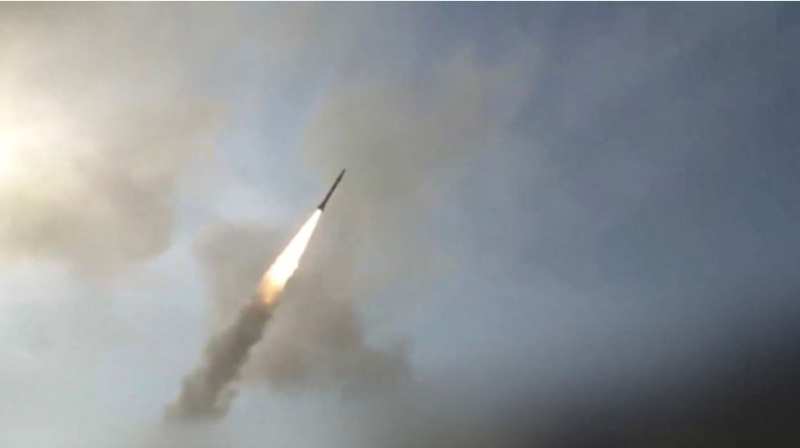
Iran refused to reopen the Strait of Hormuz on Tuesday, April 7, rejecting a Pakistan‑brokered ceasefire and rejecting U.S. demands as President Donald Trump issued a midnight GMT deadline and threatened the destruction of Iranian infrastructure while exchanges of attacks continued between Iran and Israel. On Tuesday and into Wednesday, U.S. and Israeli strikes were reported, including attacks on Kharg Island and explosions near Tehran and Alborz that local media said killed civilians; Iran's Revolutionary Guards warned of energy retaliation, and Pakistan reported mediation efforts were reaching a sensitive stage this week.
By Najma A. | JQJO News
Aggregated From:
Timeline of Events
- Approximately five weeks into the US‑Israeli conflict, tensions in the Gulf rose.
- Early April: Pakistan proposed a ceasefire framework to mediate opening the Strait of Hormuz.
- April 6–7: President Trump issued a deadline demanding Iran reopen the Strait or face strikes.
- April 7: Iran published a 10‑clause response via IRNA, rejecting the immediate ceasefire terms.
- April 7: Strikes reported on Kharg Island and explosions near Tehran and Alborz; casualties and infrastructure damage were reported.
News Intelligence
- This conflict could impact gas prices. Tensions in the Gulf often do. Plus, the Strait of Hormuz is a key oil route. If it stays closed, prices may rise. Keep an eye on your local gas station.
Coverage of Story:
From Left
No left-leaning sources found for this story.
From Center
Trump Deadline Triggers Strikes as Iran Refuses Terms
The Business Times Market Screener Market Screener Manila Standard Market ScreenerFrom Right
No right-leaning sources found for this story.



Comments