Trump's Deadline Sends Markets Tumultuous Amid Iran Crisis
PUBLISHED Apr 6, 2026, 11:44 PM ET
Read, Watch or Listen
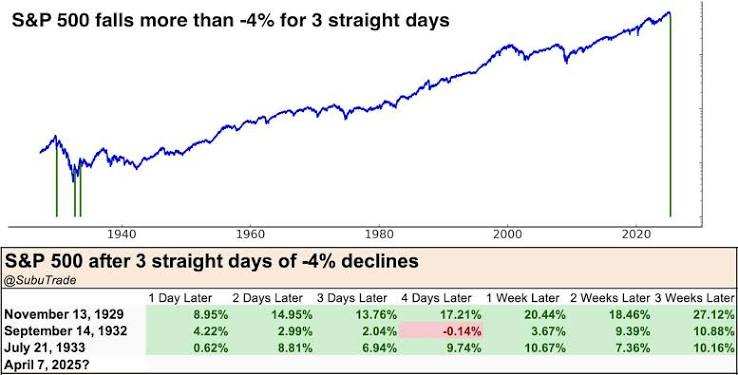
United States: President Donald Trump set an 8 p.m. ET deadline and threatened strikes on Iranian power plants and bridges, prompting volatile trading in U.S. markets on Monday and Tuesday and driving oil price swings as officials and traders monitored developments and diplomatic responses. Markets reacted with declines in major U.S. indexes this week and a sharp oil spike before reports late Tuesday indicated a two-week ceasefire and temporary reopening of the Strait of Hormuz, leading to plunging crude futures and rallies in Asian and U.S. futures the following hours.
By Sidra | JQJO News
Timeline of Events
- Earlier: Trump issued and repeatedly moved deadlines threatening strikes on Iranian infrastructure.
- Monday: U.S. markets drifted higher amid uncertainty; Iran rejected a ceasefire proposal.
- Tuesday morning: Stocks moved mostly lower as the 8 p.m. ET deadline approached, with sharp intraday swings.
- Late Tuesday: Reports said the U.S. and Iran agreed to a two-week ceasefire and the Strait would be reopened.
- After ceasefire: Oil futures fell sharply and global equity futures rose on reduced supply-risk expectations.
News Intelligence
- Market swings affect your wallet. When tensions rise, oil prices can spike. This can raise gas and home heating costs. Check your budget and consider energy-saving steps.
Coverage of Story:
From Left
No left-leaning sources found for this story.
From Center
Trump's Deadline Sends Markets Tumultuous Amid Iran Crisis
ETV Bharat News FinanzNachrichten.de Jakarta Globe Free Press JournalFrom Right
No right-leaning sources found for this story.





Comments