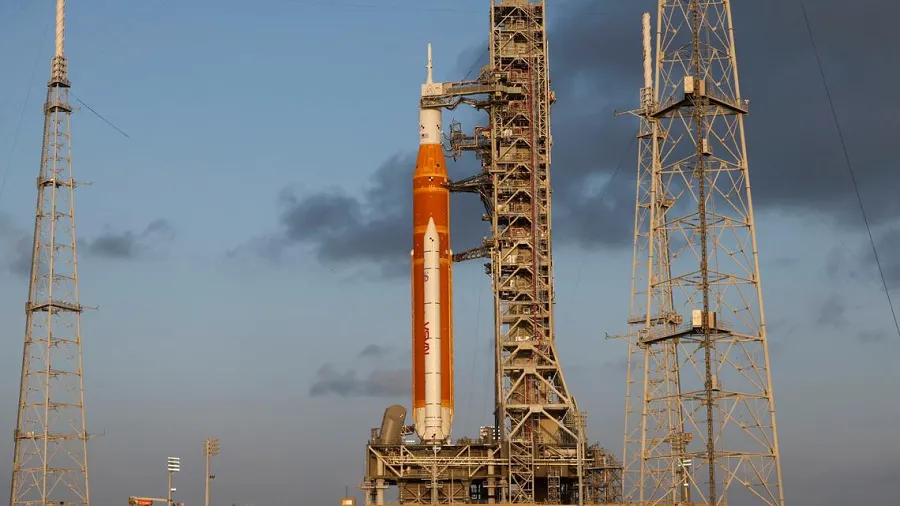
Artemis II launches, testing systems, local contributions noted
Tap title to read story
Merritt Island, Fla. — On April 1, 2026, NASA launched Artemis II from Kennedy Space Center, sending four astronauts—Reid Wiseman, Victor Glover, Christina Koch and Jeremy Hansen—on a 10-day crewed lunar flyby to test Orion and deep-space systems and validate mission operations beyond low Earth orbit.
The mission will provide system validation ahead of Artemis III, which NASA plans to prepare in 2027 with lunar-landing attempts targeted for 2028; this week local suppliers and institutions, including Southern University contributors, reported economic and technical involvement supporting the mission schedule.
More context
Timeline
- 1. 2024: Federal pay data indicates astronauts classified at GS-13 with approximate salary of $152,258.
- 2. Post-Artemis I: Southern University performed about 80% of harness wiring for Artemis I, building supply capacity.
- 3. Early 2026: NASA assigned Reid Wiseman, Victor Glover, Christina Koch and Jeremy Hansen to Artemis II.
- 4. April 1, 2026: Artemis II scheduled liftoff at 5:24 p.m. for a 10-day crewed lunar flyby.
- 5. 2027–2028: NASA states Artemis III preparations in 2027 and plans to attempt lunar landings in 2028.
Why it matters
Artemis II's launch is a big step for space exploration. It's also a boost for local economies. Southern University, for example, played a key role in the mission's preparation. If you're in a STEM field or have kids who are, this could mean more opportunities down the line.
Sources
JQJO Editorial Desk · Human reviewed · AI assisted. Report a correction.