Trump Signals Possible U.S. Withdrawal From NATO Alliance
PUBLISHED Apr 1, 2026, 7:37 AM ET
Read, Watch or Listen
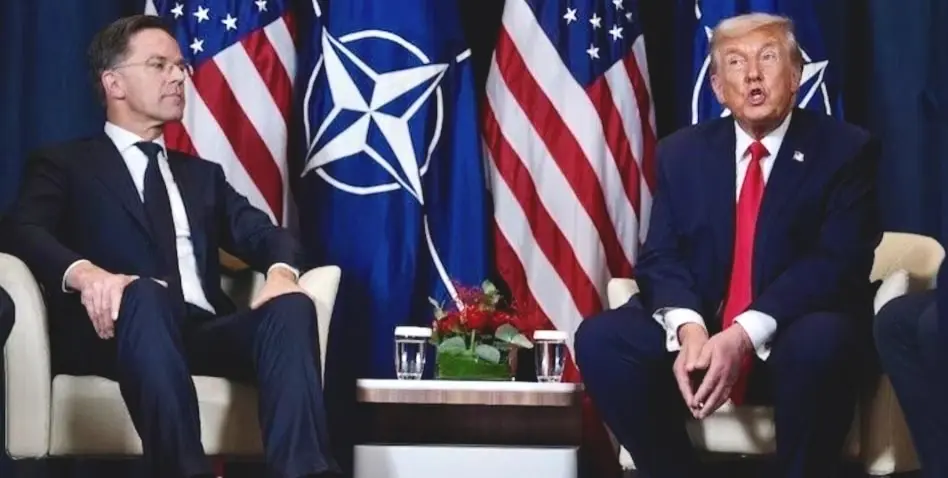
Washington — President Donald Trump said this week he is 'strongly considering' withdrawing the United States from NATO in interviews with The Telegraph and other outlets, calling the alliance a 'paper tiger' and criticizing European allies' responses to recent hostilities linked to Iran. European capitals and NATO officials expressed alarm this week, saying the remarks intensified debate over transatlantic commitments and burden-sharing; a 2023 U.S. law requires Congressional approval for withdrawal, prompting legal and diplomatic discussions while allies consider consultations and next steps.
By Najma A. | JQJO News
Timeline of Events
- 1949: NATO established as a transatlantic defense alliance.
- 28th February (reported): US-Israeli strikes and Strait of Hormuz closure prompted allied disagreements.
- 2023: U.S. Congress passed legislation restricting unilateral presidential withdrawal from NATO.
- 2023–2024: Finland and Sweden joined NATO, expanding membership.
- Early April 2026: President Trump told The Telegraph he is 'strongly considering' withdrawing the U.S. from NATO, calling it a 'paper tiger.'
News Intelligence
- A U.S. withdrawal from NATO could shift global power balances, potentially affecting your safety. It may also impact U.S. military families and jobs. Keep an eye on Congress' response and any changes in international relations.
Coverage of Story:
From Left
No left-leaning sources found for this story.
From Center
Trump Signals Possible U.S. Withdrawal From NATO Alliance
ODISHA BYTES Daily Pakistan Global LatestLY Spectrum News Bay News 9 WCBI TV | Your News Leader Asian News International (ANI) Yakima Herald-Republic Social News XYZ GlobalSecurity.org Asian News International (ANI)From Right
No right-leaning sources found for this story.


Comments